

Javanese Batik
Each batik piece is a masterpiece, reflecting significant cultural and social importance in Java, often used in ceremonies, celebrations, and daily wear, symbolizing the island's unique cultural identity.
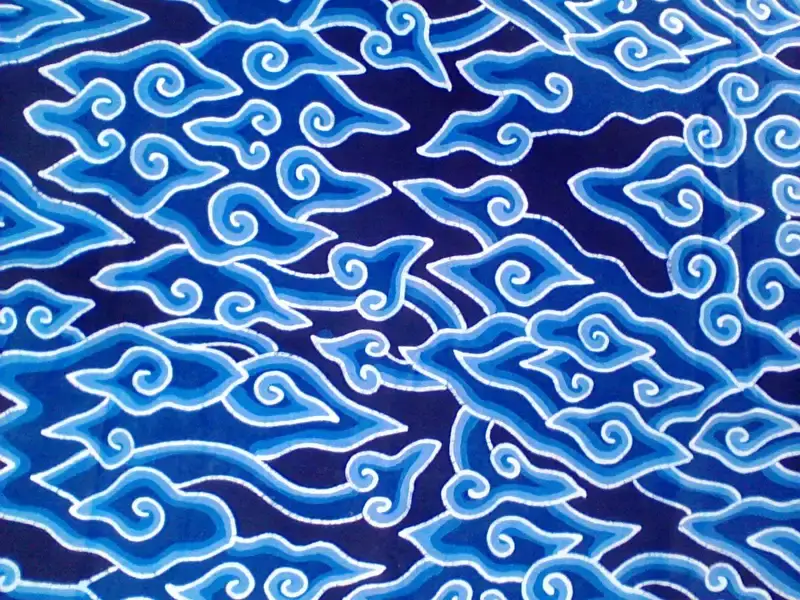
Batik Cirebon (West Java)
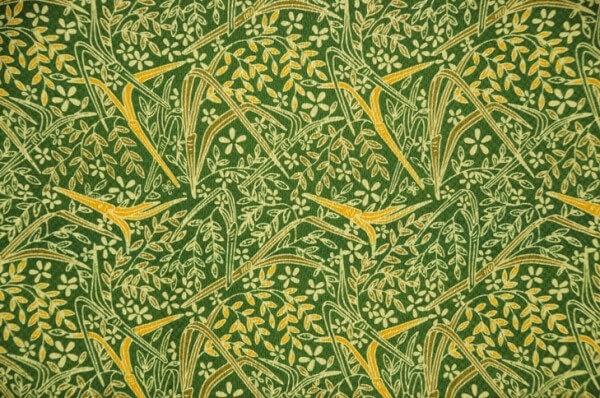
Batik Cianjur (West Java)
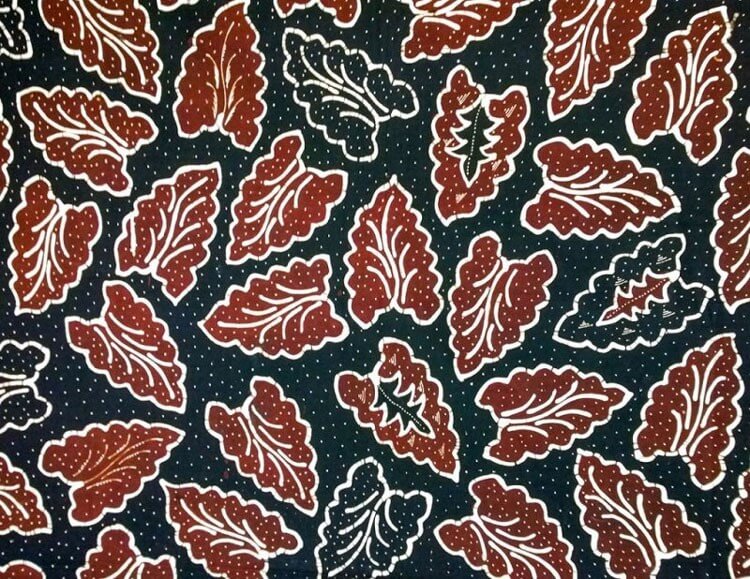
Batik Banten (West Java)
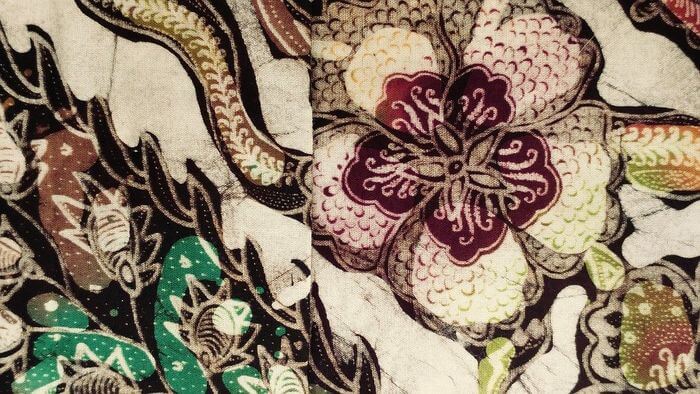
Batik Pekalongan (Central Java)
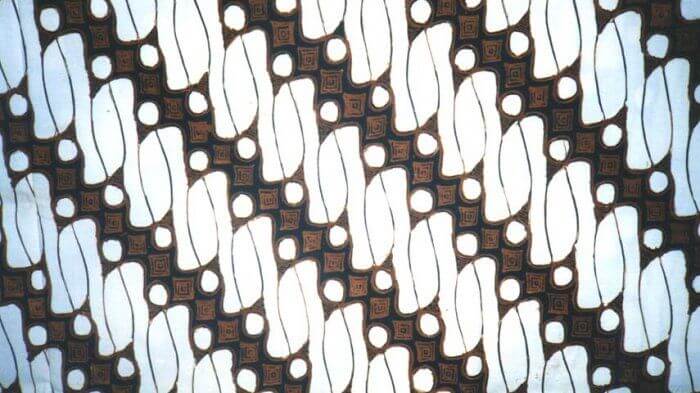
Batik Jogja (Central Java)
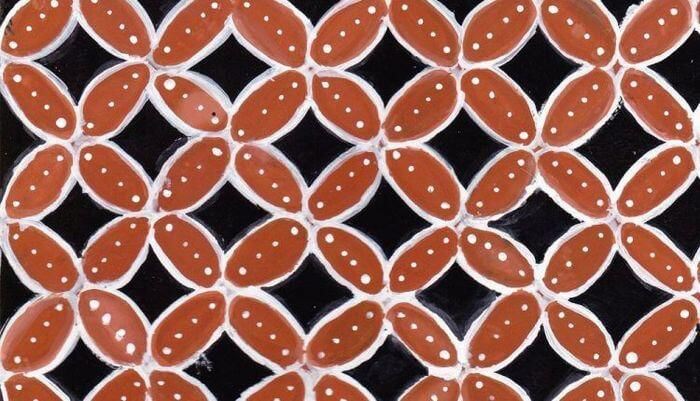
Batik Solo (Central Java)
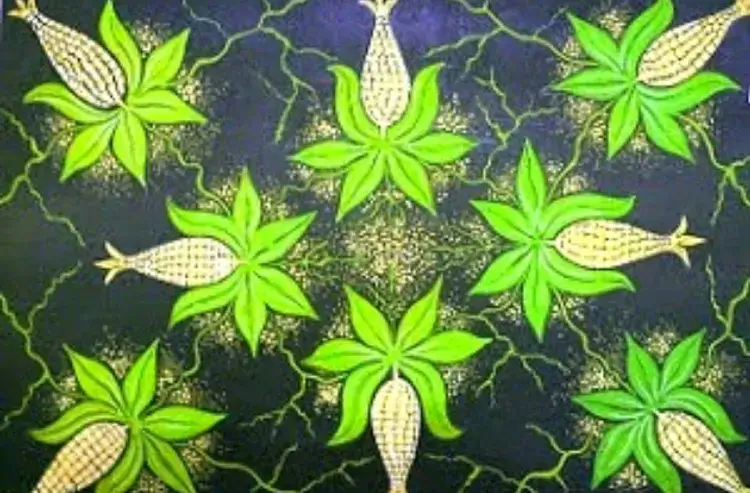
Batik Bojonegoro (East Java)
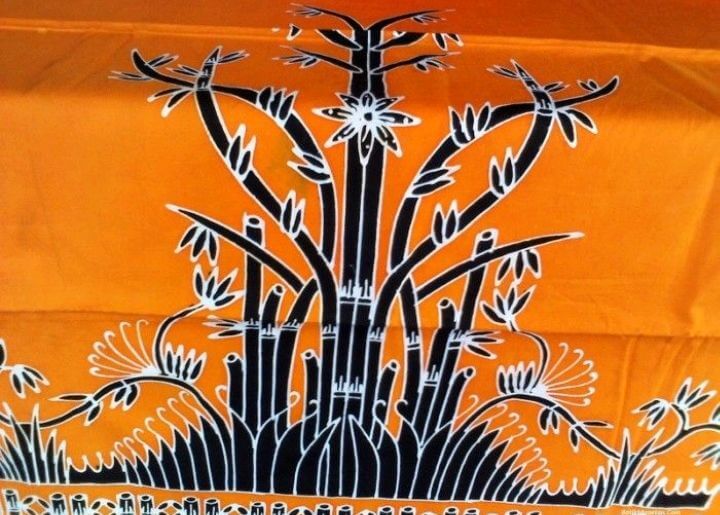
Batik Magetan (East Java)
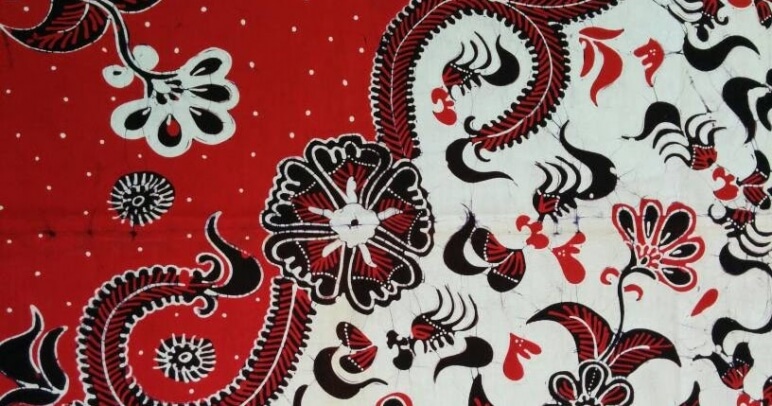
Batik Gedhog (East Java)
Traditional Dances From Java
Indonesia is a country known for its diverse and rich culture, where every ethnic group has its own captivating traditional dance. This cultural wealth is particularly evident in Java, an island with a deep cultural history that hosts a variety of traditional dances. Among these, Javanese dance forms are especially noteworthy for their grace and intricacy.
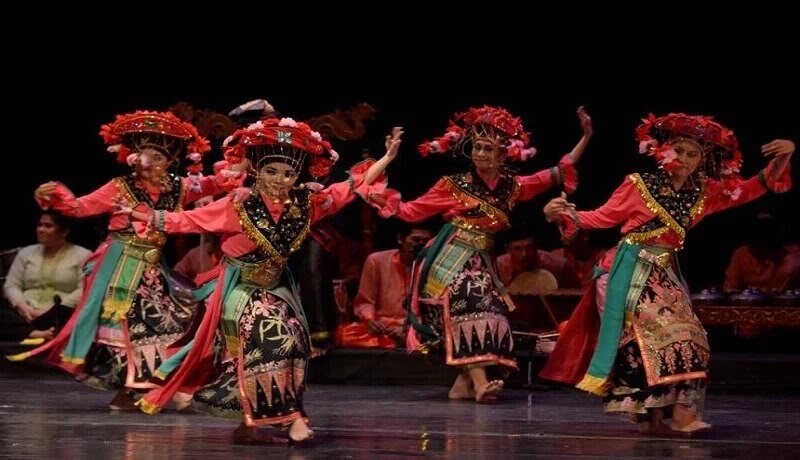
Cokek Dance, DKI Jakarta (West Java)
The term "Cokek" is rooted in the Hokkian language and
finds its cultural expression in West Java, Indonesia.
Originating from the Hokkian word "chiou-khek," meaning
"singing a song," Cokek is a captivating dance form that
takes center stage during various entertainment events
in the region. Typically accompanied by the lively tunes
of Gambang Kromong music, this traditional performance
art creates a vibrant and engaging atmosphere.
In the West Java tradition, Cokek dancers showcase their
expertise by seamlessly combining dance and song. The
rhythmic movements are accentuated by the dancers'
skilled synchronization with the Gambang Kromong music,
providing a harmonious blend of auditory and visual
delights. A distinctive feature of Cokek is the emphasis
on expressive hip movements, adding a sensual and
dynamic element to the performance.
As the dancers move gracefully, they not only
demonstrate technical proficiency but also use their
movements to convey emotions and tell a compelling
story. This unique combination of singing, dancing, and
expressive storytelling through hip movements makes
Cokek a cherished cultural tradition in West Java,
enchanting audiences during various celebrations and
events in the region.
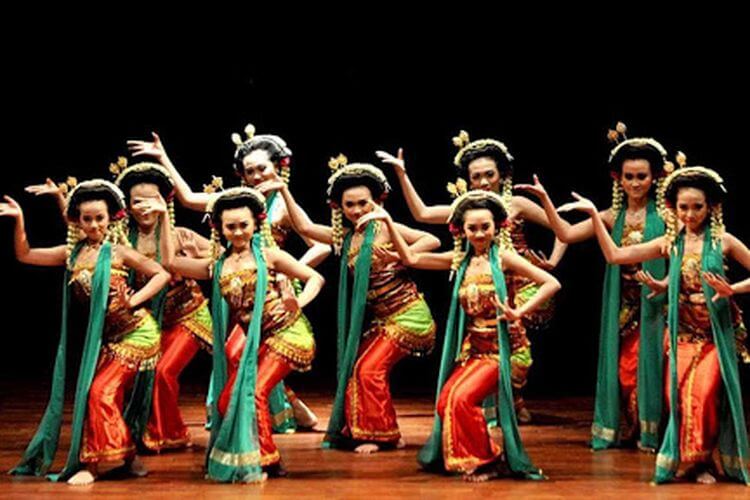
Jaipong Dance, Sunda (West Java)
The Jaipong Dance, a captivating traditional Indonesian
dance, is renowned for its lively and fast-paced rhythm
that echoes the vibrant cultural spirit of the region.
This dynamic dance form is a celebration of the rich
heritage of Indonesia, and its distinctiveness lies in
the dancers' exceptional ability to improvise. Jaipong
dancers, adorned in colorful traditional attire,
skillfully navigate the intricate movements with a
spontaneous flair, creating a performance that is both
visually stunning and culturally significant. The dance
is a testament to the country's artistic diversity, and
it holds a special place in the hearts of Indonesians,
often being featured prominently in traditional
ceremonies and events.
The heart of the Jaipong Dance lies in its rhythmic
intensity, captivating audiences with its energetic
beats and expressive choreography. Each performance
becomes a unique and engaging experience as the dancers
skillfully improvise, infusing the dance with a sense of
spontaneity and liveliness. The fast-paced movements
reflect the dynamism of Indonesian culture, creating a
visual spectacle that transcends generations. Whether
performed during festive celebrations or cultural
events, the Jaipong Dance serves as a cultural beacon,
connecting communities and preserving the rich tapestry
of Indonesia's artistic legacy.
Beyond its role in traditional ceremonies, the Jaipong
Dance has evolved into a symbol of cultural pride and
identity for the Indonesian people. The dance not only
showcases the country's artistic prowess but also serves
as a means of cultural expression, fostering a sense of
unity and belonging. Passed down through generations,
the Jaipong Dance continues to thrive, captivating
audiences with its mesmerizing blend of tradition and
spontaneity. As an integral part of Indonesia's cultural
heritage, this dance form stands as a testament to the
nation's enduring commitment to preserving and
celebrating its rich cultural legacy.
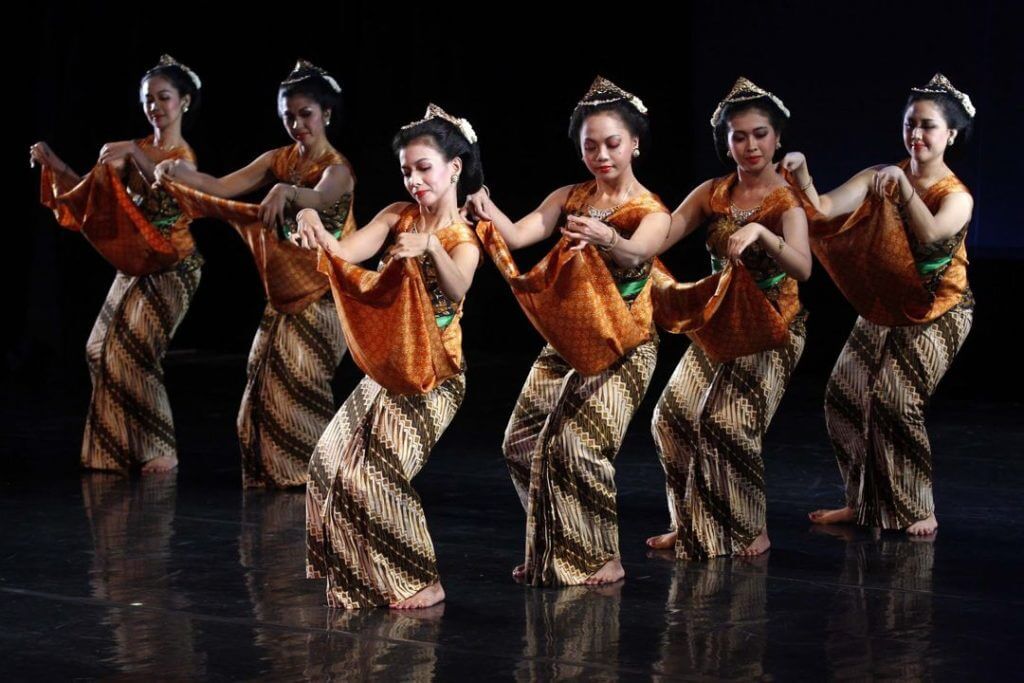
Serimpi Dance, Jogja (Central Java)
The Serimpi Dance, originating from the cultural
heartland of Central Java, Indonesia, stands as a
testament to the rich heritage associated with the royal
palaces of Yogyakarta and Surakarta. This ritualized
dance form is deeply rooted in the traditions of the
Javanese court, particularly epitomizing the elegance
that characterizes the royal Javanese culture. Renowned
for its graceful movements and symbolic significance,
the Serimpi Dance has become an emblem of the ruler's
power and the refined essence of Javanese
civilization.
While the Serimpi Dance initially found its place within
the courtly settings of the two Keratons, it has
transcended these boundaries to become a cherished
cultural treasure embraced by common Javanese people.
Beyond the palace walls, the dance is frequently
performed during ceremonies and festivals, symbolizing a
connection between the royal and everyday realms. Even
today, the Serimpi Dance remains an integral part of
court ceremonies, with princesses dedicatedly rehearsing
various forms of Srimpi in the pendopo pavilion within
the palace. This enduring practice underscores the
dance's resilience and its continued significance in
preserving and celebrating the cultural identity of
Central Java.
As a dance deeply embedded in the fabric of Indonesian
tradition, the Serimpi Dance reflects the enduring
spirit of Javanese culture. Its graceful and intricate
movements not only serve as a captivating artistic
expression but also carry layers of historical and
symbolic meaning. In essence, the Serimpi Dance is a
living testament to the cultural richness of Central
Java, showcasing a harmonious blend of tradition,
refinement, and the enduring legacy of royal courts.
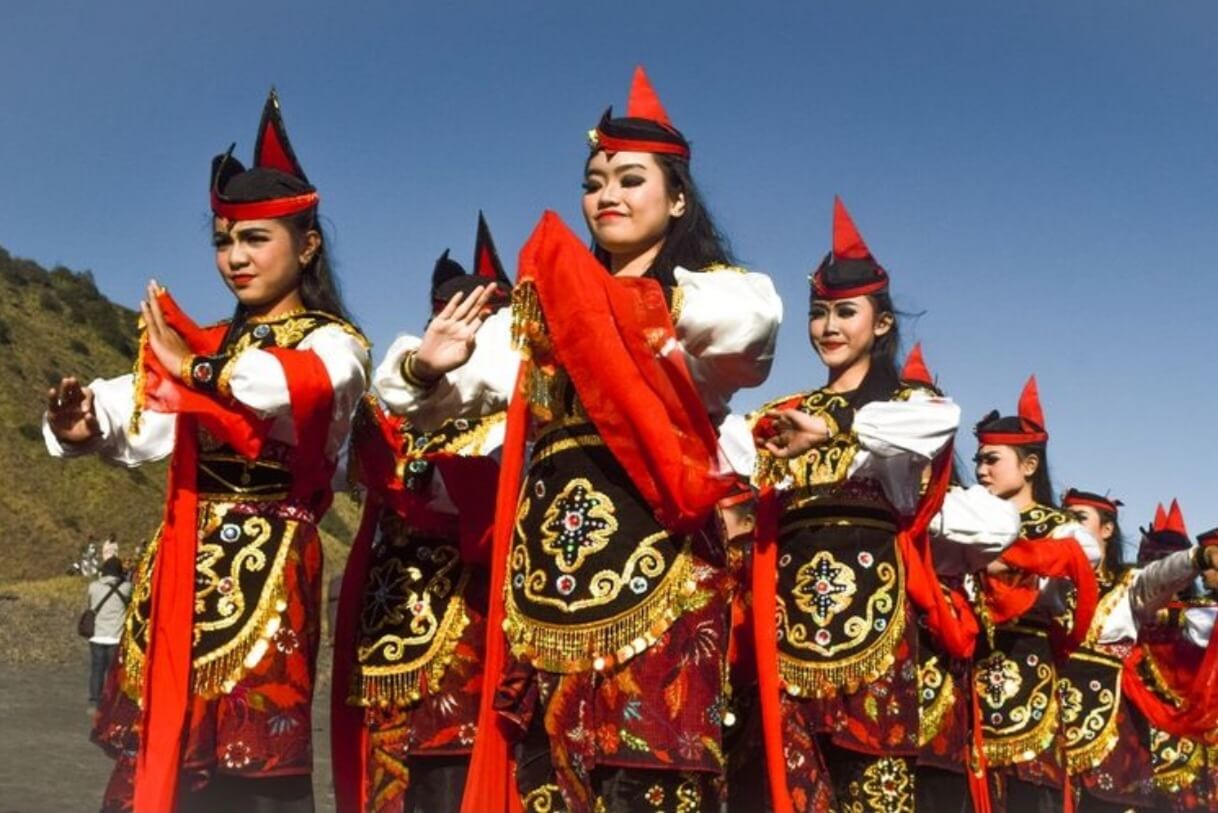
Remo Dance, Jombang (East Java)
The Remo Dance, originating from the cultural tapestry
of East Java, specifically Jombang, is a captivating
traditional performance deeply embedded in the welcoming
rituals of the region. Traditionally accompanied by the
enchanting melodies of gamelan music, this dance has
evolved over time to embrace both male and female
dancers. Originally a male-dominated art form, the Remo
Dance now boasts the graceful movements of female
performers who have seamlessly integrated the masculine
nuances required for its proper execution. The dance
serves as a vibrant cultural expression that extends a
warm welcome to guests, creating an atmosphere of
celebration and communal joy.
At its core, the Remo Dance is distinguished by its
dynamic and lively footwork, which forms the crux of the
performance. The dancers, adorned with bells on their
ankles, create a melodic rhythm as they move, producing
a harmonious symphony that resonates with the spirit of
the dance. These bells, ringing in synchrony with the
dancers' movements, add a layer of auditory delight to
the visual spectacle, enhancing the overall sensory
experience. The dance not only showcases the physical
prowess of the performers but also reflects the cultural
identity and hospitality ingrained in the traditions of
Jombang, East Java.
Rooted in the traditions of East Java, the Remo Dance
continues to be a vibrant and evolving cultural
practice. Its ability to transcend gender boundaries and
adapt to contemporary expressions underscores its
enduring significance in the local heritage. As the
dance welcomes guests with its lively and rhythmic
choreography, it becomes a living embodiment of the rich
cultural legacy of Jombang, contributing to the dynamic
tapestry of Indonesia's diverse traditional performing
arts.
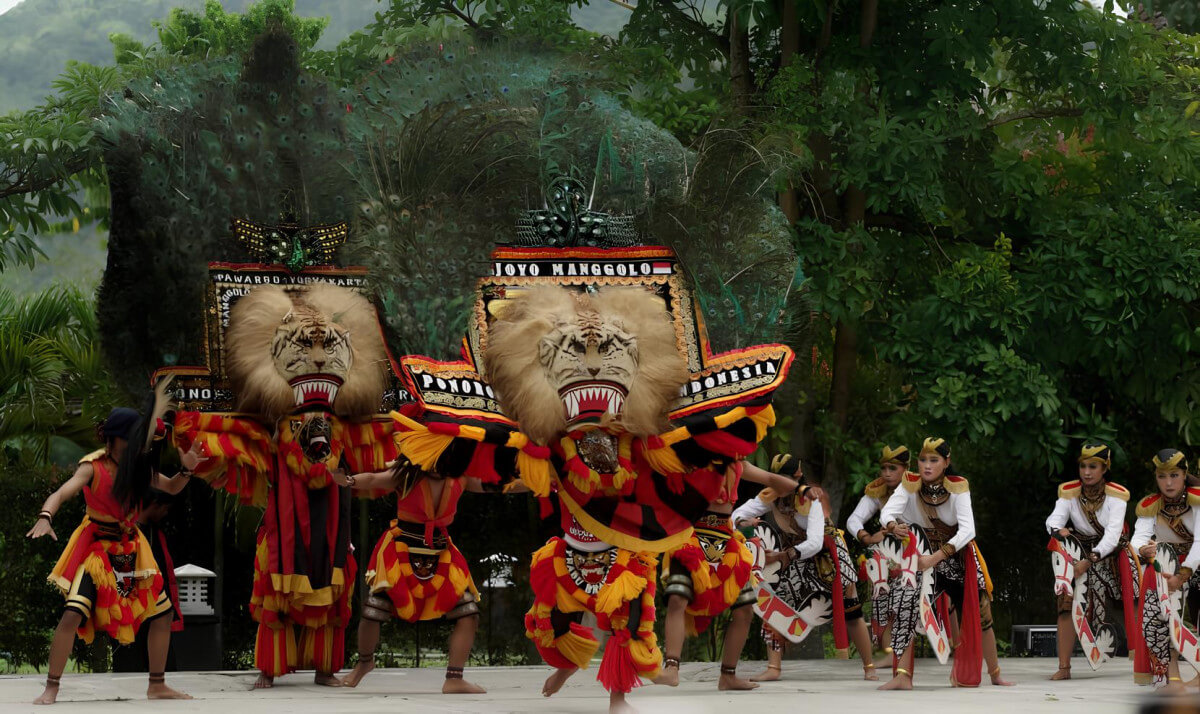
Reog Dance, Ponorogo (East Java)
The Reog Dance, originating from Ponorogo, East Java,
Indonesia, is a captivating traditional performance that
unfolds a rich narrative through the artistry of a group
of dancers adorned in elaborate costumes and masks. This
mesmerizing dance is deeply rooted in local folklore and
typically recounts the legendary tale of King Kerono and
his valiant soldiers who courageously faced the
formidable Singabarong monster. The dancers skillfully
use their ornate masks to portray characters and express
the emotions of the narrative, creating a visual
spectacle that captivates audiences.
This unique dance form is not merely a form of
entertainment but holds cultural significance as it is
often showcased during traditional ceremonies and
events. The Reog Dance has become an integral part of
the cultural fabric in the region, symbolizing bravery,
heroism, and the triumph of good over evil. The
performers, through intricate choreography and dynamic
movements, bring to life the mythical battle between
King Kerono and the monstrous Singabarong, creating an
immersive experience that allows spectators to connect
with the rich cultural heritage of East Java.
Beyond its artistic expression, the Reog Dance serves as
a testament to the preservation of local traditions and
folklore, acting as a link between the past and the
present. As communities come together to witness this
mesmerizing performance, they not only celebrate their
cultural identity but also contribute to the continuity
of a cherished art form that has been passed down
through generations in Ponorogo. The Reog Dance, with
its vibrant costumes, compelling narrative, and cultural
significance, stands as a testament to the enduring
beauty of Indonesia's diverse and rich heritage.
Traditional Musical Instruments From Java
In Java, Indonesia, traditional musical instruments play a vital role in shaping the island's cultural identity. The music they create isn't just for entertainment; it's deeply woven into daily life, featured prominently in ceremonies, celebrations, and rituals. These instruments are more than just tools for artistic expression; they are living symbols of Java's rich cultural heritage, connecting the present generation with their roots and fostering a strong sense of identity among the Javanese people.
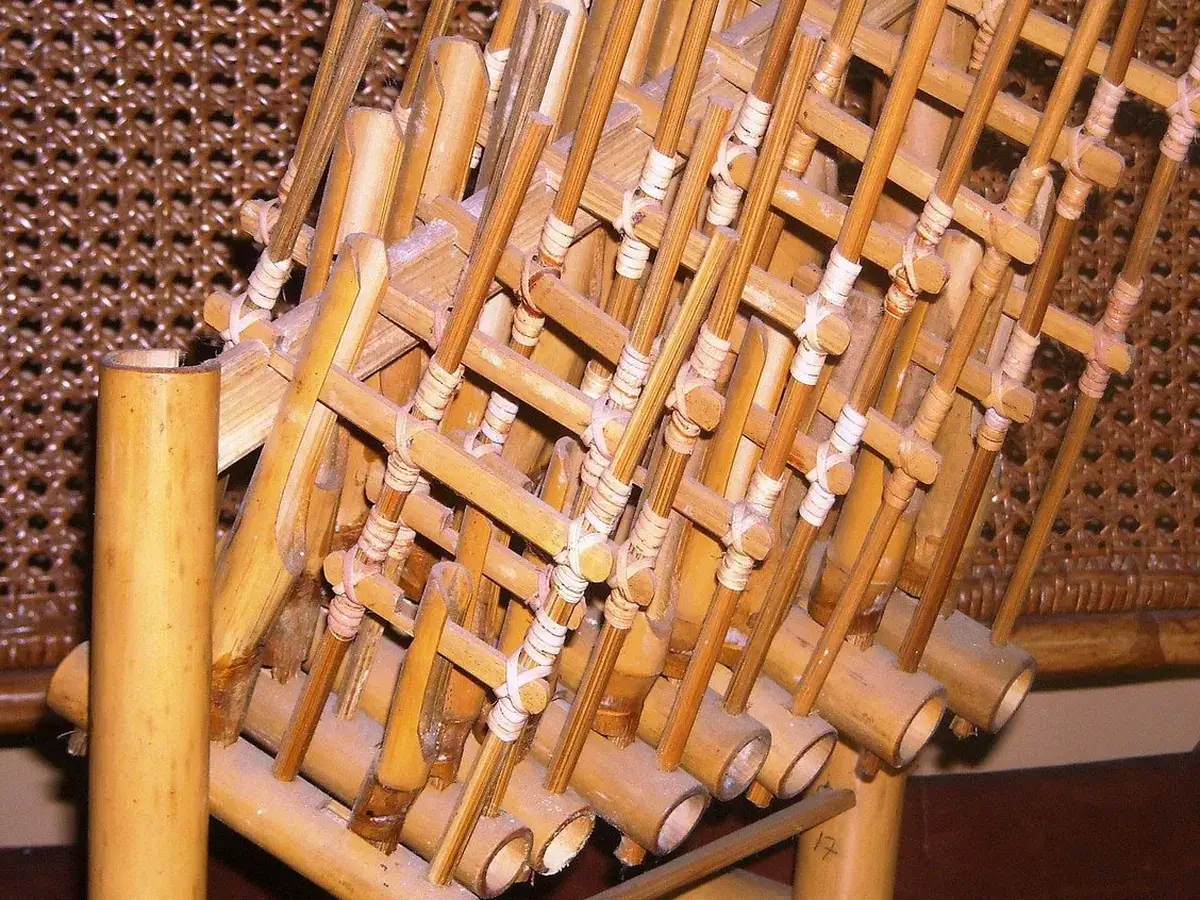
Angklung (West Java)
Angklung, a traditional instrument originating from
Indonesia, particularly West Java, holds a unique
cultural significance that resonates both nationally and
internationally. Crafted from bamboo, the Angklung is a
musical marvel known for its melodious tones and
distinctive resonant sound. Its name is derived from the
onomatopoeic "ang-klung-klung," representing the sound
produced when the instrument is played. The Angklung is
often associated with communal performances, where
groups of players collaborate to create intricate and
harmonious melodies. This communal aspect not only
showcases the instrument's musical prowess but also
reflects the spirit of togetherness and unity deeply
ingrained in Indonesian culture.
The Angklung's rich heritage has earned it a place on
the UNESCO Intangible Cultural Heritage of Humanity
list, recognizing its cultural importance and the
craftsmanship involved in its creation. Each bamboo tube
is meticulously tuned to produce specific pitches,
contributing to the instrument's ability to play complex
compositions. Beyond its cultural roots, the Angklung
has become a symbol of Indonesia's artistic identity,
celebrated both locally and globally. As it continues to
captivate audiences around the world, the Angklung
stands as a testament to the vibrant and diverse musical
traditions that contribute to Indonesia's cultural
tapestry.
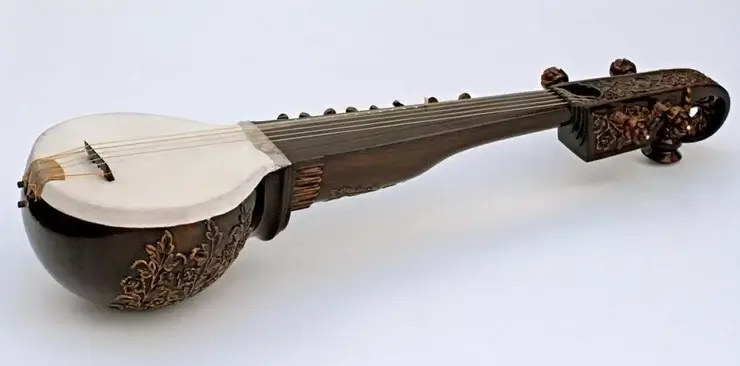
Rebab (West Java)
The Rebab, a traditional instrument hailing from
Indonesia with deep roots in West Java, is a stringed
instrument that holds a distinguished place in the
country's musical heritage. Constructed with a slender
wooden body and a unique, rounded soundbox, the Rebab
showcases the meticulous craftsmanship of Indonesian
artisans. Its strings are traditionally made from animal
gut or horsehair, and the instrument is played with a
bow, producing hauntingly beautiful and resonant tones.
Often featured in traditional Gamelan ensembles and
classical Javanese music, the Rebab plays a vital role
in conveying the emotional nuances of the compositions,
adding a touch of melancholy or ecstasy to the overall
musical experience.
The Rebab's cultural significance extends beyond its
musical capabilities, embodying the rich history and
traditions of Indonesia. Its presence in various
ceremonies, rituals, and performances underscores its
role as a symbol of cultural identity. The instrument
has also evolved over time, adapting to different
regional styles and musical genres, demonstrating its
versatility and enduring appeal in both traditional and
contemporary Indonesian music. As a testament to its
importance, the Rebab serves as a bridge connecting the
past and present, resonating with the spirit of West
Java's cultural heritage.
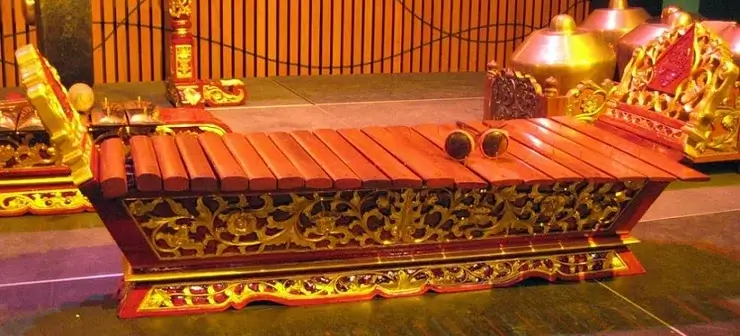
Gambang (Central Java)
The Gambang is a traditional musical instrument
originating from Central Java, Indonesia, and holds a
significant place in the rich cultural heritage of the
region. This instrument is a xylophone-like percussion
device made from wooden bars that are struck with
mallets to produce melodious tones. The Gambang
typically features a set of wooden keys arranged in a
specific order, supported by a resonator made from
bamboo or other materials. Musicians play the Gambang by
striking the wooden bars with soft-headed mallets,
creating a distinctive and enchanting sound that is
often associated with Javanese traditional music.
In traditional Javanese gamelan ensembles, the Gambang
plays a crucial role, providing a unique timbre and
contributing to the overall harmonic texture of the
music. The instrument is often played in conjunction
with other traditional instruments such as the bonang,
saron, and kendhang, creating a symphony of sounds that
reflect the cultural identity of Central Java. The
Gambang has transcended its historical roots and is
still cherished today, not only for its musical
significance but also for its cultural and artistic
value in preserving the musical traditions of Indonesia.
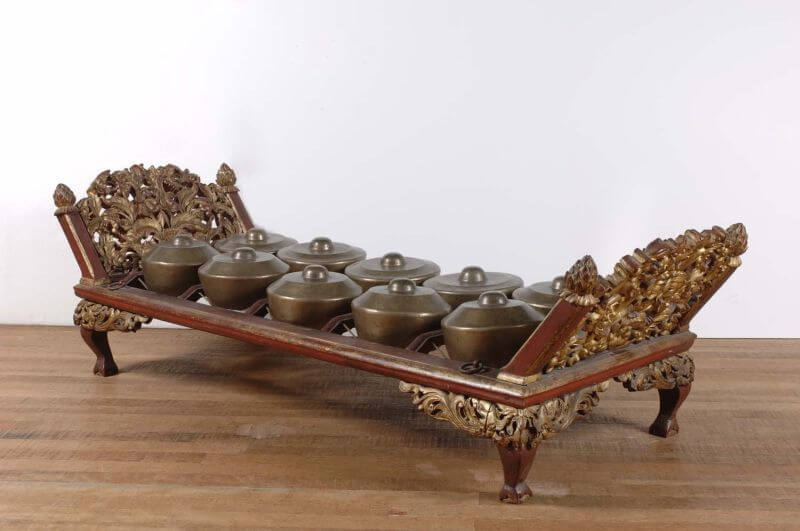
Bonang (East Java)
The Bonang is a traditional Javanese musical instrument
hailing from East Java, Indonesia, and is a vital
component of the gamelan ensemble. This percussion
instrument consists of a series of small, kettle-shaped
gongs suspended on a wooden frame. The bonang is played
using a pair of mallets, typically made of wood or
bamboo, striking the gongs to produce resonant, metallic
tones. The gongs are arranged in two rows, with the
upper row known as the "panembung" and the lower row as
the "pelog." Each gong in the bonang set is tuned to
specific pitches, creating a complex and layered sound
when played together.
In Javanese gamelan music, the bonang plays a crucial
role in establishing the melody and providing intricate
ornamentation. It often serves as a rhythmic and melodic
guide for the entire ensemble, setting the tone and
contributing to the mesmerizing and hypnotic quality of
the music. The bonang is not only a musical instrument
but also a cultural symbol, representing the rich
traditions and artistic expressions of East Java. Its
presence in gamelan orchestras highlights the importance
of this instrument in preserving and showcasing the
unique musical heritage of Indonesia.
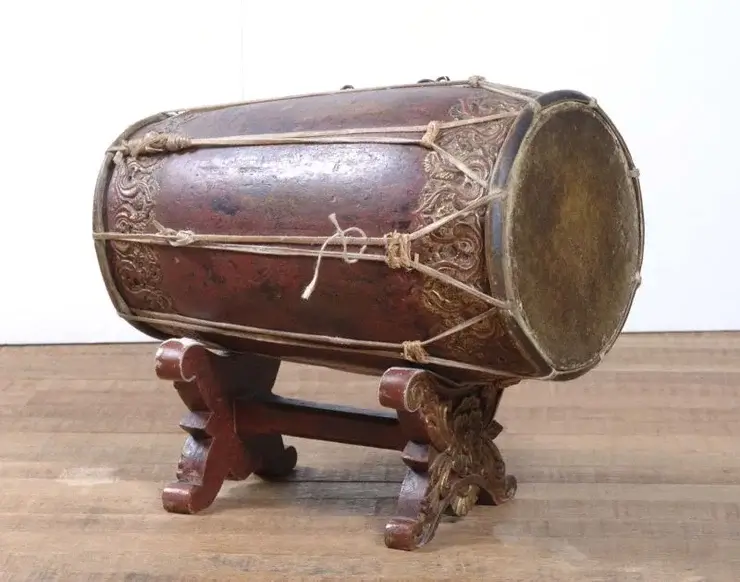
Ketipung (East Java)
The Ketipung is a traditional percussion instrument
originating from East Java, Indonesia, and is an
integral part of the country's rich musical heritage.
This instrument is often used in traditional Javanese
and Balinese gamelan ensembles, contributing to the
rhythmic foundation of the music. The Ketipung typically
consists of a cylindrical body made of wood or metal,
covered with a stretched membrane on one or both ends.
Musicians play the Ketipung by striking the membrane
with their hands or mallets, producing a resonant and
distinctive sound that adds depth and texture to the
ensemble's overall sonic landscape.
In traditional Indonesian music, the Ketipung is known
for its versatility and ability to convey a wide range
of emotions. Its rhythmic patterns and dynamic
variations contribute to the lively and expressive
nature of the music, whether it's accompanying dance
performances, wayang kulit (shadow puppetry), or other
cultural events. The Ketipung's presence in Indonesian
music reflects the country's commitment to preserving
and celebrating its cultural identity, providing a
unique auditory experience that continues to captivate
audiences both in Indonesia and around the world.
Traditional House In Java
Traditional houses in Java showcase a unique fusion of indigenous design and historical influences, featuring steep-pitched roofs, intricate wooden carvings, and a seamless integration with the environment. Emphasizing a connection to nature, these houses embody Javanese aesthetic values through open spaces, well-ventilated interiors, and local materials. Beyond their architectural significance, these dwellings serve as living symbols of Javanese culture, encapsulating traditions, social structures, and spiritual beliefs, ensuring the preservation of the island's rich heritage for generations to come.
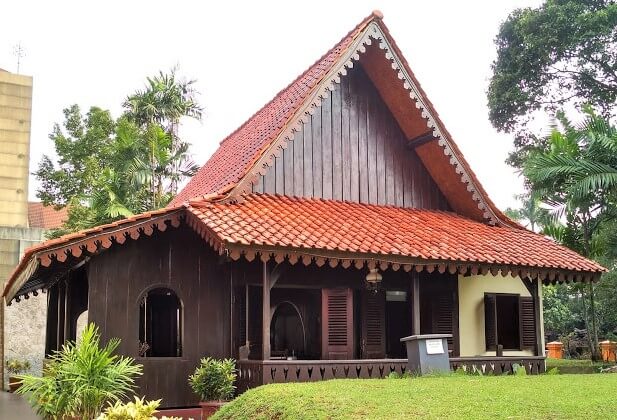
Kebaya House, DKI Jakarta (West Java)
Rumah Kebaya, a traditional Indonesian house, is a
captivating reflection of Javanese cultural richness and
artistic finesse. The house is adorned with intricate
wooden carvings that portray symbolic motifs and
patterns. These carvings serve as more than mere
decorations; they narrate tales from Javanese mythology,
religious beliefs, and historical events. The vibrant
colors used in the exterior paintwork symbolize the
lively spirit and warmth of the community. Rumah
Kebaya's layout is thoughtfully designed, emphasizing
communal living, fostering strong family bonds, and
creating spaces for various traditional ceremonies and
rituals. As a testament to Indonesia's diverse
architectural heritage, Rumah Kebaya stands proud,
offering a glimpse into the soul of Javanese culture.
In addition to its aesthetic charm, Rumah Kebaya
embodies the Javanese philosophy of life. The elevated
foundation and steep roofs provide not only functional
benefits in tropical climates but also carry symbolic
significance, representing protection and spirituality.
The house becomes a canvas for cultural expression,
showcasing the artistic prowess of local craftsmen. The
integration of art and architecture in Rumah Kebaya
reflects the deep connection between the physical and
metaphysical aspects of Javanese life. It stands as a
living heritage, preserving centuries-old traditions and
embodying the enduring spirit of a people deeply rooted
in their cultural identity.
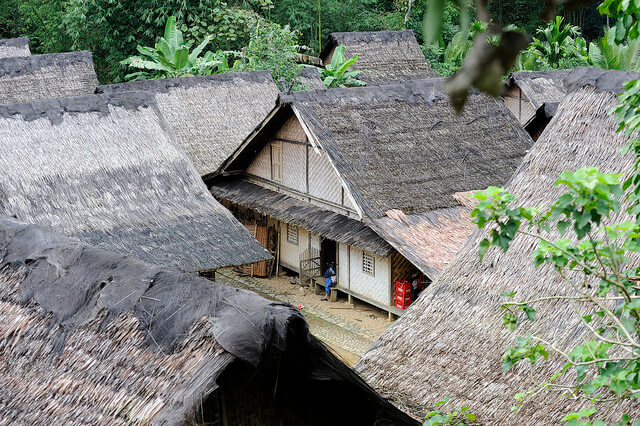
Badui House, Banten (West Java)
Rumah Baduy not only serves as a physical shelter but
encapsulates the very ethos of the Baduy community's
unique way of life. Constructed primarily from bamboo
and thatch, the houses seamlessly blend into the lush
natural surroundings, emphasizing the community's
commitment to sustainability and harmony with nature.
The simplicity of the architecture reflects the Baduy
people's intentional rejection of modern influences,
embodying a dedication to preserving their cultural
identity. In a world marked by rapid urbanization and
technological advancements, Rumah Baduy stands as a
poignant symbol of cultural resilience, emphasizing the
importance of maintaining a delicate balance between
tradition and the environment. Each house becomes a
sanctuary, preserving the age-old customs, rituals, and
values that define the Baduy way of life.
The Baduy people's adherence to traditional customs is
not limited to the physical structure of their houses
but extends to every aspect of their lives. Rumah Baduy
becomes a haven where the community fosters a deep
connection with their ancestral roots, ensuring that
their cultural heritage is passed down from generation
to generation. The intentional simplicity of the
architecture is a reflection of the Baduy people's
commitment to a lifestyle that minimizes external
influences, fostering a sense of community and
preserving the intrinsic values that define their
identity.
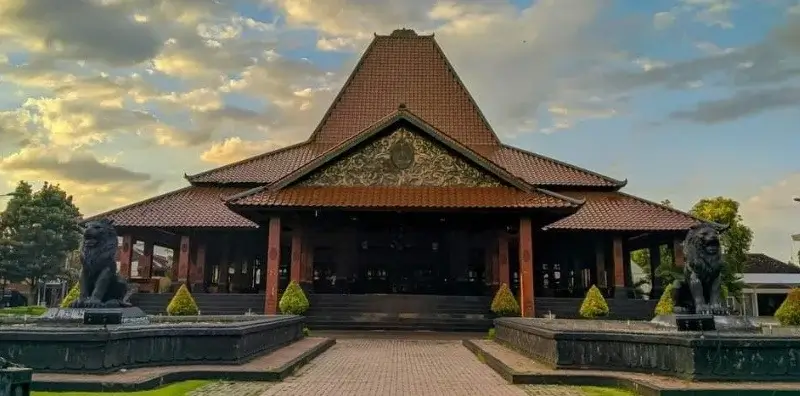
Joglo House, Jogja (Central Java)
The allure of Rumah Joglo extends beyond its
architectural grandeur; it encapsulates the very essence
of Javanese philosophy and cosmology. The four-tiered
roof, a distinct feature of this traditional house,
represents the hierarchical structure of the universe in
Javanese beliefs. Each tier signifies a different realm
– the realm of the divine, the realm of human life, the
realm of plants and animals, and the realm of the
underworld. These layers not only add visual grandiosity
but also imbue the house with profound spiritual
symbolism. The detailed carvings, often showcasing
scenes from epics like the Ramayana and Mahabharata,
serve as visual narratives connecting inhabitants with
their cultural roots. Beyond its aesthetics, Rumah Joglo
is a living testament to the Javanese way of life,
fostering a harmonious coexistence with nature,
community, and the divine.
The spatial layout of Rumah Joglo is designed to reflect
the Javanese philosophy of life, emphasizing harmony and
balance in every aspect. The central pavilion and
separate structures for different functions create a
sense of interconnectedness while providing functional
spaces for various activities. The house serves as more
than a dwelling; it becomes a sacred space where
cultural traditions are preserved and celebrated. Rumah
Joglo stands as a living testament to the artistic
brilliance of Javanese craftsmen, embodying the
spiritual and cultural values deeply rooted in Javanese
society.
Traditional Activites
From historic sites to contemporary art centers, we invite you to immerse yourself in the charm of Indonesia's cultural destinations. With interactive guides and virtual experiences, each explore is an unforgettable journey.
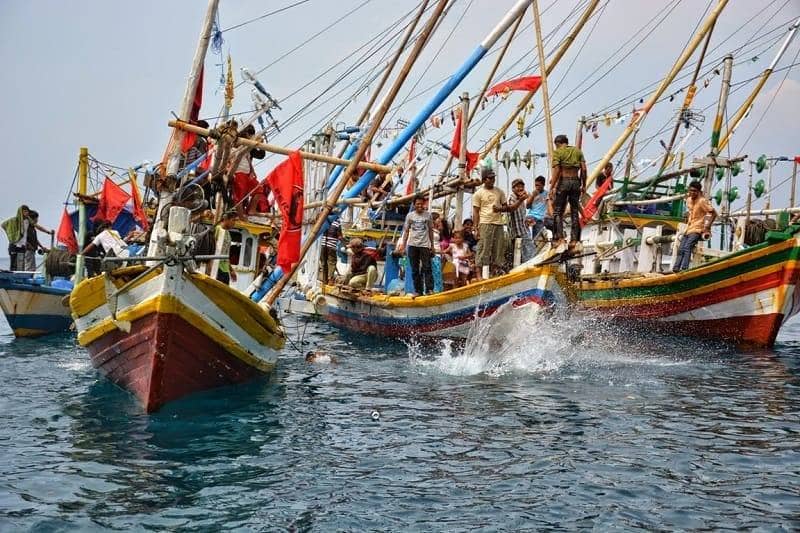
Sea Festival (West Java)
One of the traditional ceremonies in West Java is the
Sea Festival, a maritime celebration that serves as an
iconic event for the people of West Java. Typically held
in areas such as Ciamis, Pangandaran, Sukabumi,
Pelabuhan Ratu, and other coastal regions of West Java,
the Sea Festival is a vibrant and culturally significant
ceremony.
The festivities commence with fishing boats adorned with
colorful accessories transporting offerings to delight
the spectators. Not only do they carry beautifully
decorated offerings, but the fishermen also bring
buffalo heads wrapped in white cloth as symbolic
offerings, which are ceremoniously tossed into the sea
as a gift to the sea deities. This annual ceremony aims
to express gratitude and seek safety for the fishermen
as they embark on their sea journeys.
The Sea Festival is a unique cultural spectacle,
captivating both locals and visitors alike with its
vibrant displays and traditional rituals. The annual
event is a heartfelt expression of thanksgiving and a
plea for safety during maritime endeavors, emphasizing
the deep connection between the coastal communities of
West Java and the vast expanse of the ocean.
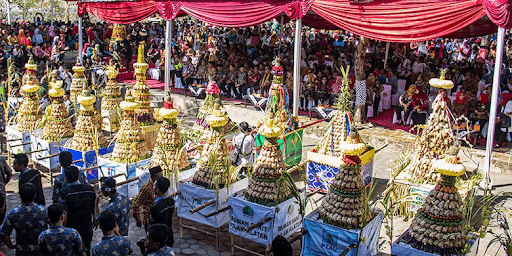
Wetonan (Central Java)
Wetonan is a tradition observed by the communities of
Central Java. The Javanese term "wetonan" signifies the
commemoration of one's birth date.
Typically, the wetonan ceremony takes place when a baby
reaches the age of 35 days. On the 35th day after the
baby's birth, the family organizes a ceremony known as
"nyelapani." The term "nyelapani" is derived from
"selapan," meaning one month in the Javanese calendar or
35 days.
This calculation aligns with both the conventional day
count and the Gregorian calendar, encompassing Monday,
Tuesday, Wednesday, Thursday, Friday, Saturday, and
Sunday, as well as the Javanese calendar days – Wage,
Pon, Kliwon, Legi, and Pahing.
The combination of these calculations results in a
unique Javanese Central Java community's day-naming
convention, such as Monday Pon, Tuesday Wage, Thursday
Legi, Wednesday Kliwon, Friday Pahing, Friday Kliwon,
and so forth, cyclically restarting from Pon.
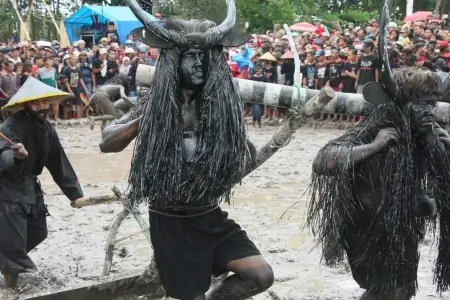
Kebo-Keboan (East Java)
This ceremony is often held during significant
celebrations such as Eid al-Adha or important community
events. Kebo-keboan is a dance performance that involves
several men dressed as buffaloes.
In the kebo-keboan ceremony, the dancers emulate the
movements and behavior of a buffalo, donning distinctive
costumes made of woven bamboo and cowhide. They also
wear buffalo head masks designed in such a way that they
truly resemble the animals.
Throughout the performance, the dancers form small
groups and engage in captivating actions as if they were
a herd of wild buffaloes. Their agile movements reflect
the stubborn and robust nature of the animals.
This dance serves not only as entertainment but also
holds spiritual significance for the people of East
Java. It is believed that the presence of kebo-keboan
can bring good fortune and provide protection from
various natural disasters or malevolent spirits.
Kalimantan Batik
Each batik piece is a masterpiece, reflecting significant cultural and social importance in Kalimantan, often used in ceremonies, celebrations, and daily wear, symbolizing the island's unique cultural identity.
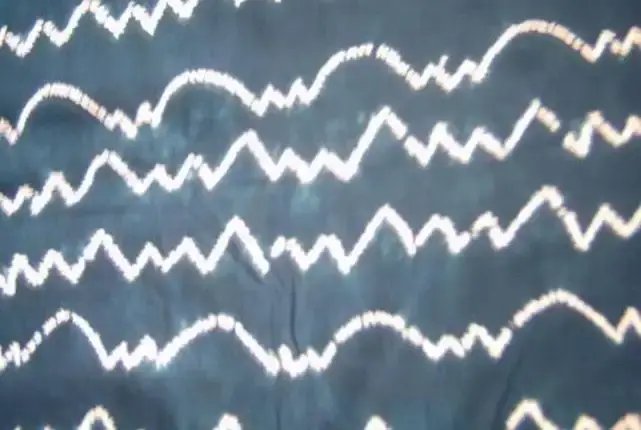
Bayam Raja
(South Kalimantan)
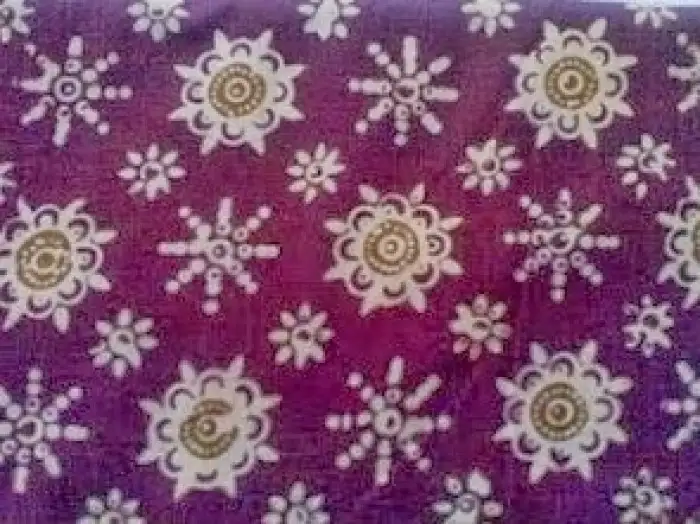
Tampuk Manggis
(South Kalimantan)
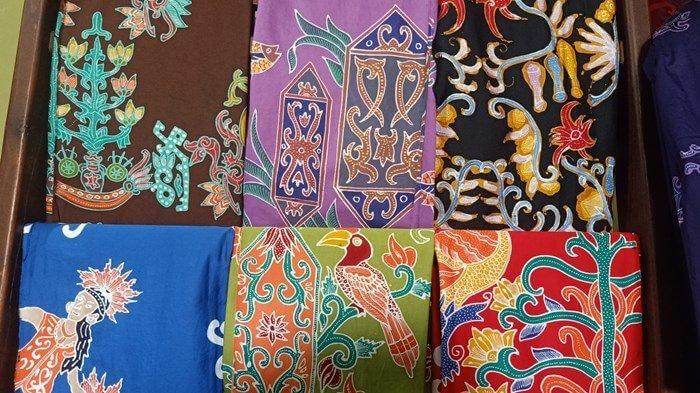
Benang Bintik
(Central Kalimantan)
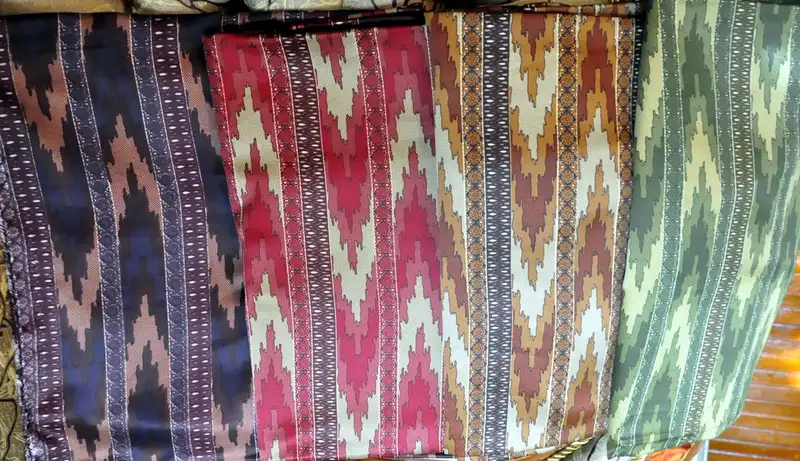
Awan Berarak
(West Kalimantan)
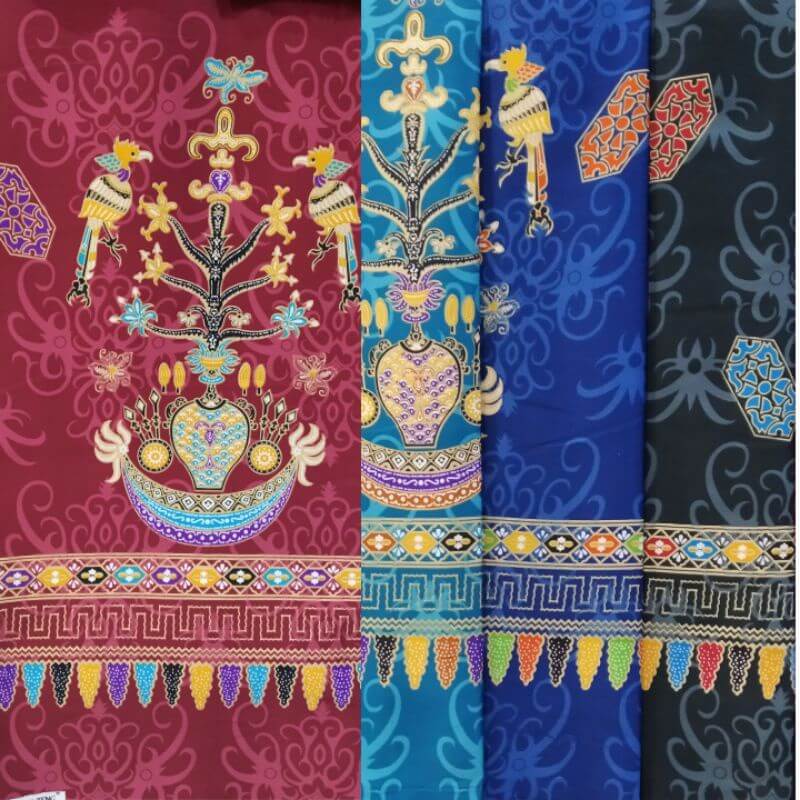
Batang Garing
(Central Kalimantan)
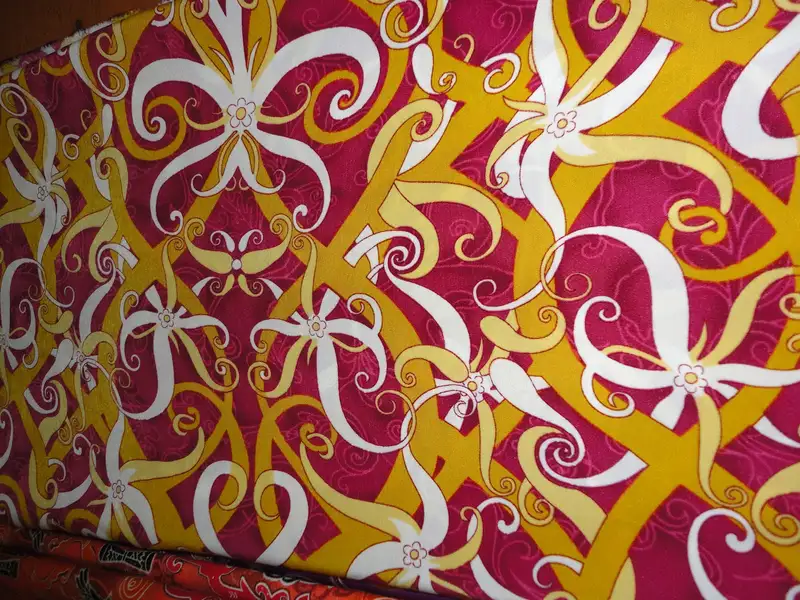
Shaho (East Kalimantan)
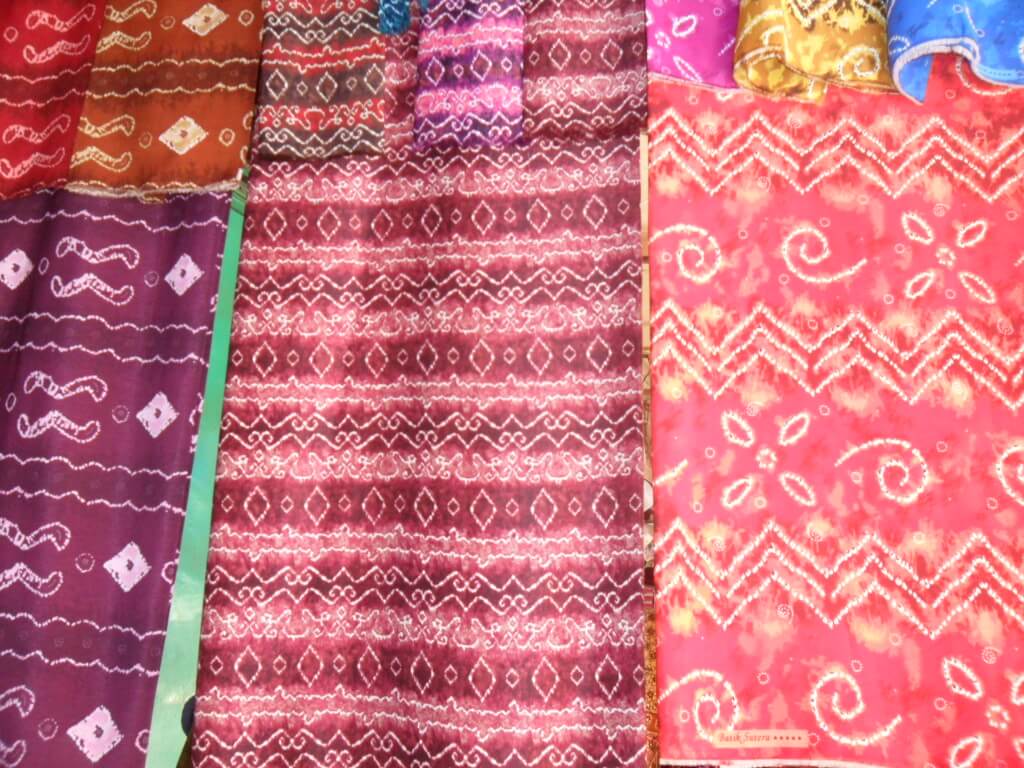
Sasirangan
(South Kalimantan)
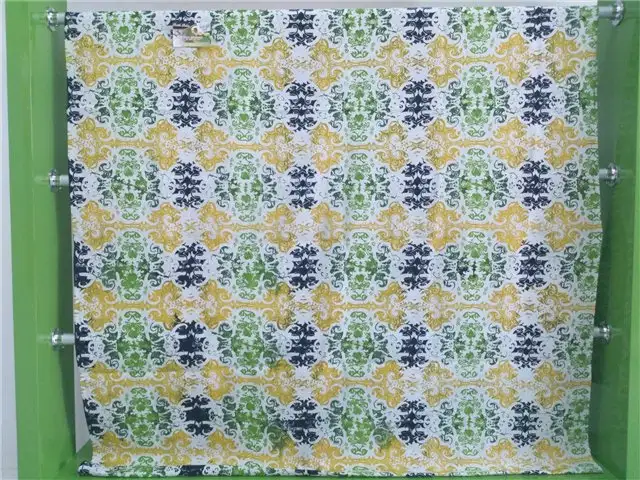
Tarakan
(North Kalimantan)
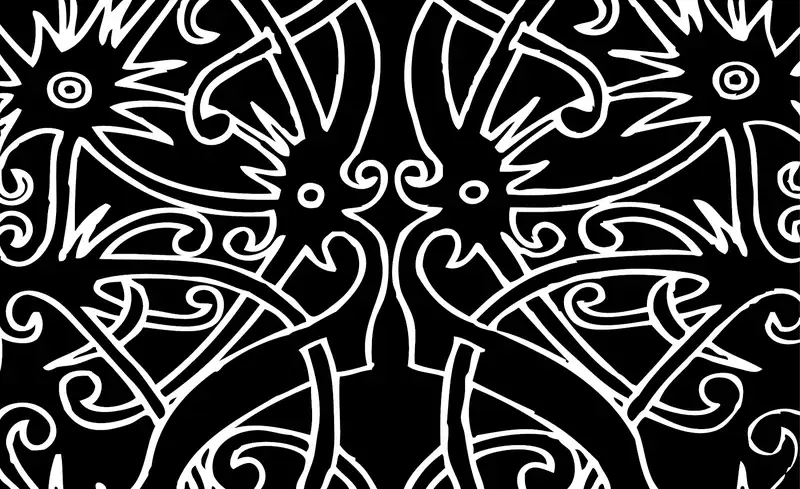
Burung Enggang
(East Kalimantan)
Traditional Dances From Kalimantan
Indonesia is a country known for its diverse and rich culture, where every ethnic group has its own captivating traditional dance. Kalimantan, an island known about their cultural history that hosts a variety of traditional dances. Among these, Kalimantan dance forms are especially noteworthy for their grace and intricacy.
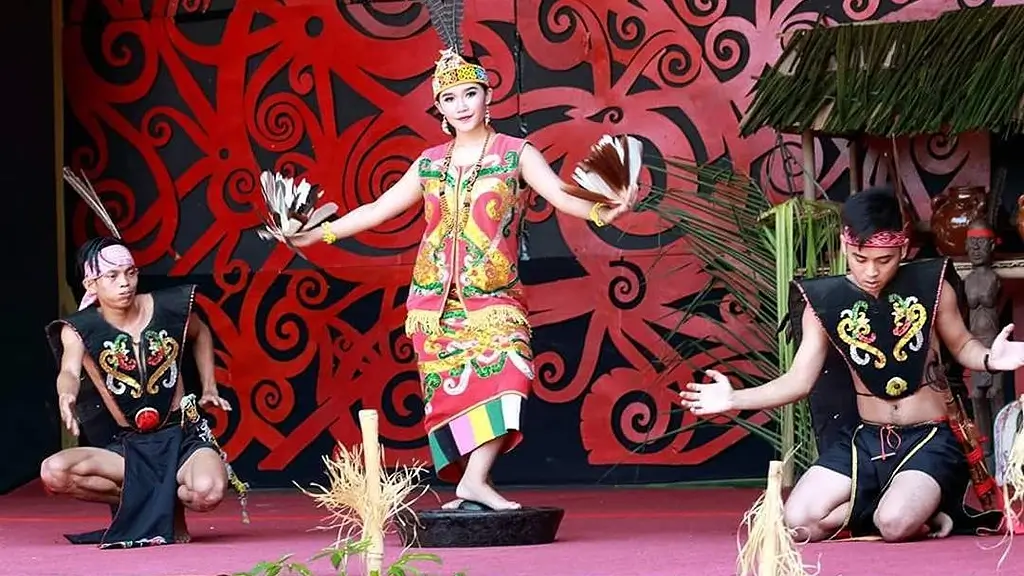
Kancet Ledo, Dayak (East Kalimantan)
Kancet Ledo Dance, also known as Gong Dance, holds a
special place in the cultural tapestry of East
Kalimantan, Indonesia. This traditional dance is
characterized by its unique performance on a Gong, a
renowned musical instrument in the region. The dance
unfolds as a captivating contest between a young girl
gracefully dancing on the Gong and two Dayak youths
vying for her attention. The Gong, with its resonant
tones, is a symbol of cultural significance and often
accompanies various musical ensembles, enriching the
auditory experience of the performance. Additionally,
the dance is accompanied by the melodious sounds of the
Sampe, a traditional Dayak musical instrument, further
enhancing the rhythmic and harmonious atmosphere.
The Kancet Ledo Dance is not merely a display of musical
prowess; it is deeply rooted in cultural ceremonies.
Typically, it takes center stage during important events
such as welcoming guests or celebrating the birth of a
baby chief. The dance serves as a vibrant expression of
the region's hospitality and joyous celebrations.
Executing the Kancet Ledo Dance requires a high level of
skill and grace from the performers. The intricate
choreography places emphasis on delicate hand movements,
precise body motions, and intricate footwork, reflecting
the cultural heritage and artistic finesse of the Dayak
people.
As the rhythmic beats of the Gong echo through the air
and the dancers move in harmony, the Kancet Ledo Dance
becomes a captivating spectacle that not only entertains
but also preserves the rich cultural traditions of East
Kalimantan, creating a timeless connection between the
past and the present.
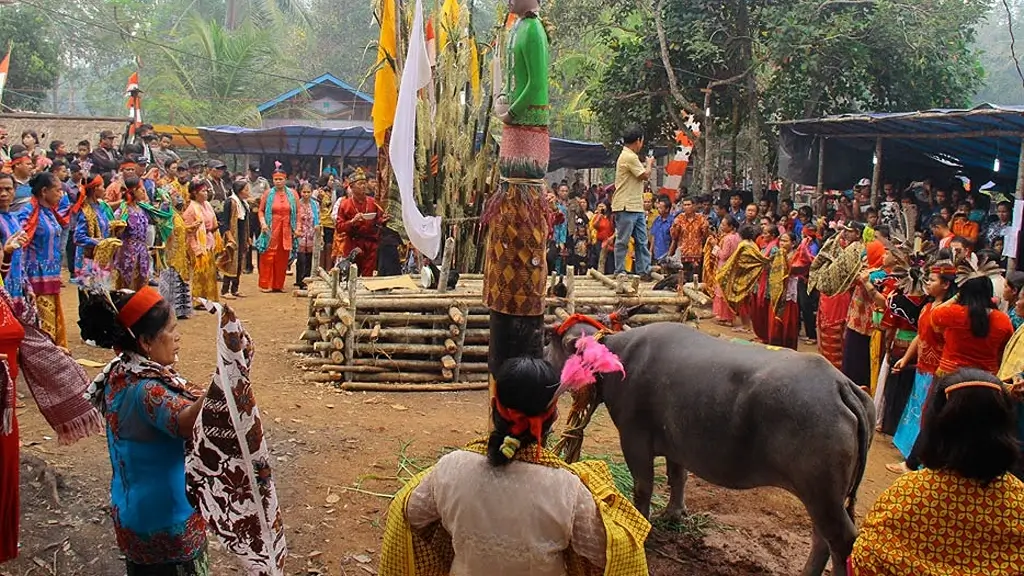
Ngerangkau, Dayak (East Kalimantan)
In the cultural landscape of East Kalimantan, the
Ngerangkau dance stands as a poignant and meaningful
expression of the Dayak Tunjung and Benuaq tribes'
reverence for the departed. This traditional dance is
intricately woven into funeral ceremonies, serving as a
symbolic ritual to honor and remember the deceased. The
dance's unique feature lies in the use of rice pounding
tools, which are rhythmically struck in a horizontal
position, creating a distinctive beat that resonates
through the air. The rhythmic cadence of the pounding
tools adds a solemn yet rhythmic dimension to the
Ngerangkau dance, reflecting the deep connection between
the living and the spirits of their ancestors.
The Ngerangkau dance is a collective performance,
bringing together both male and female dancers who share
familial ties with the ceremony organizers and the
ancestors of the departed. As a group, they encircle the
coffin, forming a long line that moves backward in a
synchronized manner. This symbolic march is a poignant
representation of the journey of the departed soul,
accompanied by a rich ensemble of traditional musical
instruments. The resonant tones of bodies, gongs, and
large drums interweave to create a sonic landscape that
amplifies the emotional gravity of the occasion,
fostering a communal atmosphere of remembrance and
respect.
Embedded in the cultural heritage of the Dayak Tunjung
and Benuaq tribes, the Ngerangkau dance transcends mere
entertainment, serving as a powerful cultural vessel
that preserves and passes on the spiritual beliefs and
customs related to the afterlife. Through its evocative
movements and melodic accompaniment, the dance becomes a
timeless expression of the East Kalimantan communities'
deep-rooted connection to their ancestors and a
testament to the enduring legacy of their traditions.
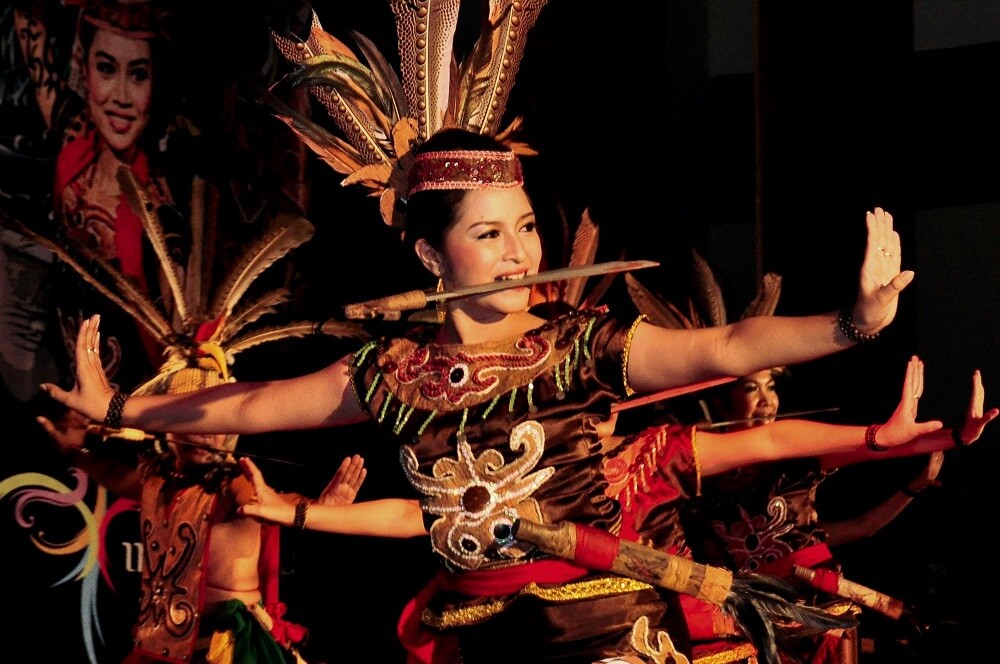
Mandau, Dayak (Central Kalimantan)
In the heart of Central Kalimantan, the Kinyah Mandau
Dance emerges as a cultural testament to the historical
traditions of the Dayak tribe. Rooted in the ancient
Dayak custom of kinyah, a term denoting a war dance
practiced in preparation for headhunting and targeting
enemies, this dance has evolved over time into a
symbolic and artistic expression. The origin of the
dance is deeply connected to the Dayak tribe's
historical practices, specifically the tradition of
headhunting. However, this martial tradition ceased
following the Tumbang Anoi peace agreement in 1894,
marking a significant turning point in the region's
history.
Despite its historical martial connotations, the Kinyah
Mandau Dance has transformed into a cultural phenomenon,
embracing a new purpose in the preservation of Dayak
traditions. The dance, once a preparation for war, has
metamorphosed into a captivating art form, celebrating
the heritage and identity of the Dayak people. In
contemporary times, Kinyah Mandau serves as a vital
means for the Dayak community to express and safeguard
their cultural legacy. It stands as a living testament
to the resilience of traditions, adapting to the
changing times while maintaining a connection to the
rich history and values of the Dayak tribe.
As the rhythmic movements of the Kinyah Mandau Dance
unfold, accompanied by traditional music and symbolic
gestures, the dance becomes a vibrant celebration of
Central Kalimantan's cultural diversity. Beyond its
historical roots, the dance encapsulates the spirit of
unity, resilience, and the enduring strength of the
Dayak people. In embracing this dance as a cultural
expression, the Dayak community not only pays homage to
its historical roots but also ensures that the legacy of
Kinyah lives on, captivating audiences with a
captivating blend of tradition and artistic innovation.
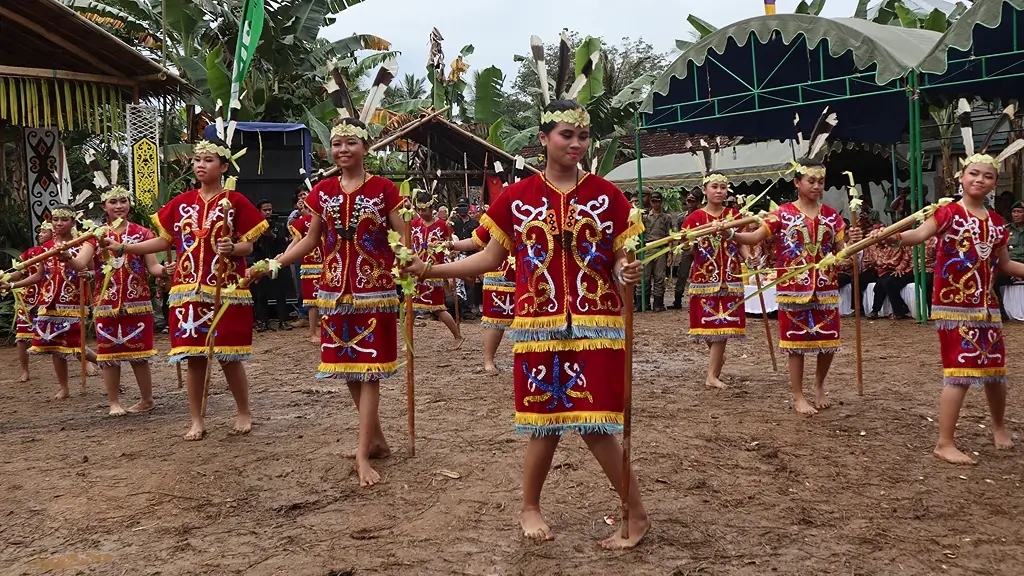
Giring-Giring, Dayak
(Central and South
Kalimantan)
The Giring-Giring Dance, a traditional Dayak dance
hailing from Central Kalimantan, is a captivating
cultural expression that also finds resonance in South
Kalimantan, where it is known as the Gintur Dance. This
vibrant dance form is distinguished by the use of two
types of sticks—long sticks and short sticks—that play a
pivotal role in creating its distinctive rhythm and
visual appeal. Serving as a lively manifestation of joy
and communal pleasure, the Giring-Giring Dance reflects
the celebratory spirit of the Dayak people in both
regions.
In the Giring-Giring Dance, the choreography involves
skillful manipulation of the sticks, with the long stick
held in the left hand used to rhythmically stomp the
floor. Simultaneously, the short stick in the right hand
is swung with finesse, producing a unique sound that
harmonizes with the beats of the long stick. The
synchronized movements of the dancers, coupled with the
rhythmic interplay of the sticks, create a dynamic and
engaging performance that encapsulates the cultural
vibrancy and unity of the Dayak communities in both
Central and South Kalimantan.
Beyond its rhythmic complexity, the Giring-Giring Dance
is a cultural treasure that embodies the shared
traditions and values of the Dayak people across
regions. It serves as a testament to the resilience of
cultural practices, adapting to regional nuances while
maintaining a fundamental connection to the spirit of
festivity and togetherness. As the dancers move in
harmony, wielding their sticks with precision, the
Giring-Giring Dance becomes a living celebration of the
rich heritage and artistic expression of the Dayak
culture, fostering a sense of pride and continuity among
the communities in Central and South Kalimantan.
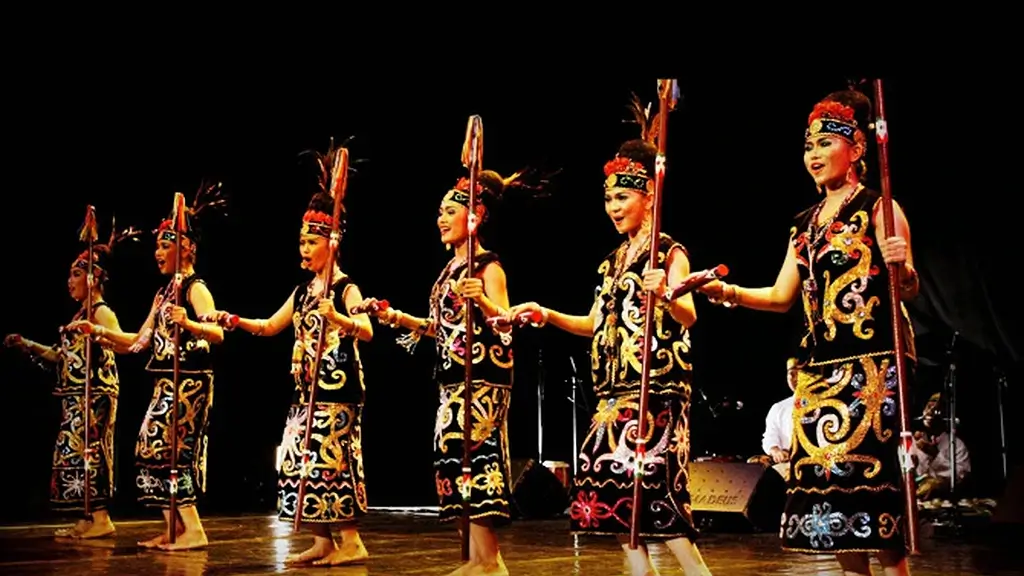
Gantar, Dayak (East Kalimantan)
Originating from the Benuaq and Tunjung Dayak tribes in
the West Kutai Regency of East Kalimantan, the Gantar
Dance is a cultural gem that intricately weaves together
movement, tradition, and symbolism. The dance finds its
roots in the ancient practice of pounding rice, a
rhythmic and laborious task undertaken to seek blessings
from Dewi Sri or Dewi Padi, the revered goddess
associated with rice and fertility. This dance,
therefore, serves as a poignant expression of gratitude
and supplication for the prosperity of the land and its
people, embodying a connection between the spiritual and
the agricultural aspects of Dayak life.
The attire worn during the Gantar Dance is as rich in
cultural significance as the movements themselves. Doyo
ulap, a woven cloth crafted from the fibers of the doyo
leaf—a robust pandanus plant—comprises the traditional
costume. The use of such materials not only reflects the
resourcefulness of the Dayak people but also symbolizes
their deep connection with the natural environment. The
Gantar Dance's props, including the Senak (long stick),
Kusak (Bamboo filled with seeds), and Pesapu (head tie
made of cloth or batik), further contribute to the
visual and auditory spectacle of the performance,
creating a multi-sensory experience that immerses
participants and spectators alike in the cultural
richness of East Kalimantan.
As the Gantar Dance unfolds, the rhythmic movements,
accompanied by the percussive sounds of pounding and the
rustle of woven fabric, create a mesmerizing tapestry of
cultural expression. Beyond being a form of
entertainment, the dance is a living tradition that
bridges the past and present, fostering a sense of
identity and continuity among the Benuaq and Tunjung
Dayak tribes. The Gantar Dance, with its elaborate
rituals and symbolic gestures, is a testament to the
resilience of Dayak culture, preserving age-old customs
in the vibrant tapestry of East Kalimantan's cultural
heritage.
Traditional Musical Instruments From Kalimantan
In Kalimantan, Indonesia, traditional musical instruments play a crucial role in defining the island's unique cultural identity. The music crafted from these instruments goes beyond mere entertainment, becoming an integral part of daily life and finding prominence in various ceremonies, celebrations, and rituals. These traditional Kalimantan instruments serve as more than just artistic tools; they stand as living symbols of the region's diverse cultural heritage, forging a connection between the present generation and their ancestral roots. In doing so, they contribute to the preservation of Kalimantan's rich traditions, fostering a profound sense of identity and pride among the diverse communities that call the island home.
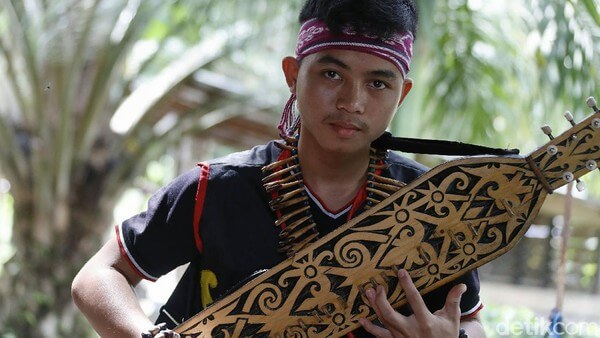
Sape (West and East Kalimantan)
Originating from the Dayak Kayaan tribe in the upper
Kapuas River region of West Kalimantan, the Sape is a
distinctive stringed musical instrument. This plucked
instrument, measuring approximately one meter in length,
features two strings capable of producing four different
pitches. Traditionally crafted and hailing from the lush
landscapes of Kalimantan, the Sape is commonly utilized
as an accompaniment for dances or in the ritual
ceremonies of the Dayak ethnic group. There are
different varieties of Sape, including the Sape Kayaan
and Sape Kenyah, each associated with distinct Dayak
subcultures. Crafted from robust woods such as
jackfruit, corkwood, or belian, the instrument
exemplifies the traditional craftsmanship and natural
resource utilization of the Dayak people.
The Sape's significance extends beyond its musical
function; it serves as a cultural emblem deeply embedded
in the fabric of Dayak heritage. Its melodic tones are
intricately woven into the tapestry of rituals and
traditions, offering a sonic backdrop to the spiritual
and communal expressions of the Dayak people. The
craftsmanship involved in creating a Sape reflects a
harmonious relationship between the artisan and the
environment, as the instrument is meticulously carved
from select hardwoods. Thus, the Sape becomes not only a
conduit for musical expression but also a tangible link
to the ancestral practices and natural resources that
have shaped the cultural identity of the Dayak Kayaan
tribe in the verdant landscapes of West Kalimantan.
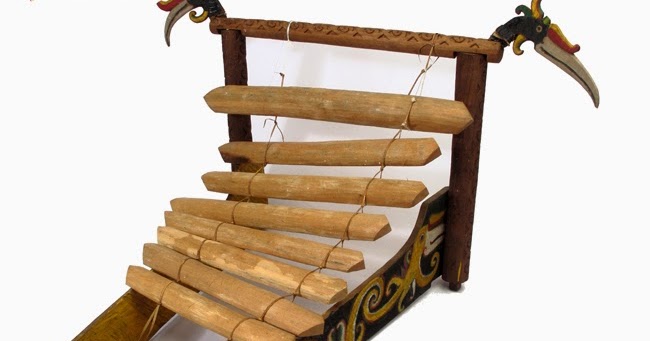
Klentangan (East Kalimantan)
Belonging to the percussion family, the Sluding or
Klentangan is a traditional instrument distinguished by
its eight wooden blades arranged within a wooden frame.
Positioned on both the right and left sides of the
instrument are motifs depicting the sacred Enggang
bird's head, revered by the Dayak Modang tribe. This
percussion instrument carries both cultural and symbolic
significance, serving as a tangible representation of
the spiritual beliefs and heritage of the Dayak Modang
community in East Kalimantan.
The intricate design of the Klentangan, with its
carefully arranged wooden blades and sacred motifs,
reflects the artisanal craftsmanship and cultural
aesthetics of the Dayak Modang people. Beyond its
musical function, the Klentangan is an integral part of
ceremonial and ritualistic practices, contributing to
the spiritual ambiance of various events. The presence
of the Enggang bird motifs not only adds artistic beauty
but also infuses the instrument with a sense of
reverence and connection to the natural world,
underlining the profound relationship between the Dayak
Modang community and their cultural identity as
expressed through the Klentangan.
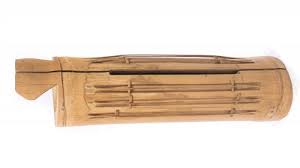
Lulung (East Kalimantan)
Lulung is a traditional musical instrument akin to a
sitar, classified as an idiophonic instrument. This
plucked string instrument is crafted from wood, although
variations made from bamboo also exist. What sets the
Lulung apart is the unique cultural tradition
surrounding its performance - only women from the Dayak
Kenyah tribe are permitted to play this distinctive
musical instrument. The Lulung holds a special place
within the cultural practices of the Dayak Kenyah,
serving as both a musical expression and a symbol of
gender-specific roles within the community.
Constructed with precision and care, the Lulung embodies
the skilled craftsmanship and cultural heritage of the
Dayak Kenyah people in East Kalimantan. The choice of
materials, be it wood or bamboo, reflects a harmonious
relationship with the natural resources of the region.
Beyond its musical capabilities, the instrument becomes
a vessel for cultural transmission, reinforcing the
gender-specific roles and traditions unique to the Dayak
Kenyah. The exclusivity of Lulung to female performers
not only showcases the cultural significance of the
instrument but also underscores the importance of
preserving and passing on this tradition through
generations, contributing to the rich tapestry of East
Kalimantan's musical and cultural diversity.

Sarunai Banjar (South Kalimantan)
Sarunai Banjar is a distinctive musical instrument
unique to the Banjar tribe in South Kalimantan, taking
on a trumpet-like form. Characterized by its small size
and a rounded end, this instrument plays a significant
role in accompanying traditional dances, harmonizing
seamlessly with other traditional instruments. Crafted
with precision and cultural significance, the Sarunai
Banjar stands as a symbol of the Banjar tribe's rich
musical heritage, showcasing the intricate craftsmanship
and artistic expression inherent in the region's
cultural identity.
The small, trumpet-shaped Sarunai Banjar becomes an
essential component of traditional dances, adding a
melodic layer to the rhythmic tapestry of South
Kalimantan's cultural performances. Its distinctive form
and purposeful use in ceremonial contexts highlight the
intersection of artistry and tradition within the Banjar
community. The instrument's role extends beyond mere
accompaniment; it becomes a cultural ambassador,
transmitting the unique musical traditions and the
expressive spirit of the Banjar tribe to audiences, both
within the community and beyond. As the Sarunai Banjar
resonates with the beats of other traditional
instruments, it weaves a narrative that connects the
past and present, celebrating the enduring cultural
legacy of the Banjar people in the vibrant landscapes of
South Kalimantan.
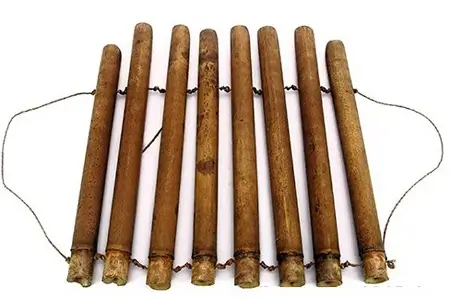
Kalang Kupak (South Kalimantan)
Kalang Kupak originates from the Bukit tribe in South
Kalimantan. Referred to as Salung by the Dayak Maanyan
community, this traditional instrument holds cultural
significance within the rich tapestry of South
Kalimantan's musical heritage. Crafted with meticulous
attention to detail, Kalang Kupak represents not only a
musical instrument but also a cultural artifact,
embodying the artistic expression and identity of the
Bukit tribe.
This unique instrument is made with local materials,
showcasing the resourcefulness of the Bukit tribe in
utilizing natural elements to create instruments that
resonate with their cultural roots. The name Kalang
Kupak is synonymous with the cultural practices of the
community, playing a role in various ceremonies and
cultural events. It is not merely a means of producing
music; rather, it serves as a bridge between
generations, preserving the traditional knowledge and
skills passed down through the ages. As the Bukit tribe
imparts cultural wisdom through the Kalang Kupak, the
instrument becomes a living testament to the resilience
and continuity of South Kalimantan's indigenous
traditions.
Traditional House In Kalimantan
Traditional houses in Kalimantan blend indigenous design with historical influences, featuring steep roofs, wooden carvings, and integration with the environment. Rooted in a deep connection to nature, these dwellings symbolize Kalimantan's culture, encapsulating traditions and spiritual beliefs. Beyond their architectural significance, they ensure the preservation of the island's rich heritage for future generations.
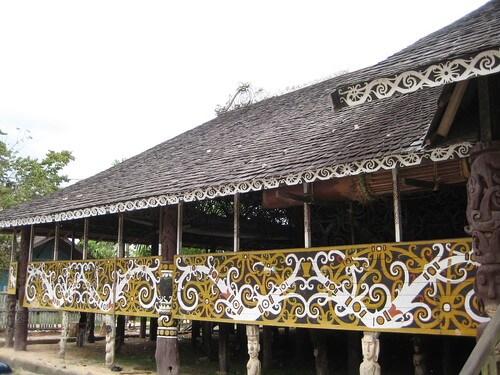
Lamin House (East Kalimantan)
Distinctive features of the traditional Lamin house can
be observed in its decor adorned with multicolored fern
stripe motifs. These colors hold specific meanings
within the cultural context, with yellow symbolizing
wealth and grandeur, red signifying eternity, white
representing purity and simplicity, and black serving as
a ward against misfortune. Beyond the vibrant colors,
Lamin houses are characterized by intricate carvings on
the supporting pillars, often depicting human or animal
heads. Furthermore, the roof of the Lamin house is
embellished with statues in the form of dragons or
hornbills.
The cultural richness of the Lamin house extends beyond
its aesthetic appeal. Intricately carved pillars and
decorative motifs contribute to a narrative that
reflects the cultural identity of East Kalimantan.
Additionally, the presence of blonthang statues,
designed to ward off malevolent spirits, and
status-signifying sculptures enhance the multifaceted
symbolism embedded in the Lamin house. As a cultural
artifact, the Lamin house becomes a living testament to
the values, beliefs, and social structures of the
region, encapsulating the essence of East Kalimantan's
heritage and providing insight into the intricate
symbolism woven into the architectural fabric of the
community.
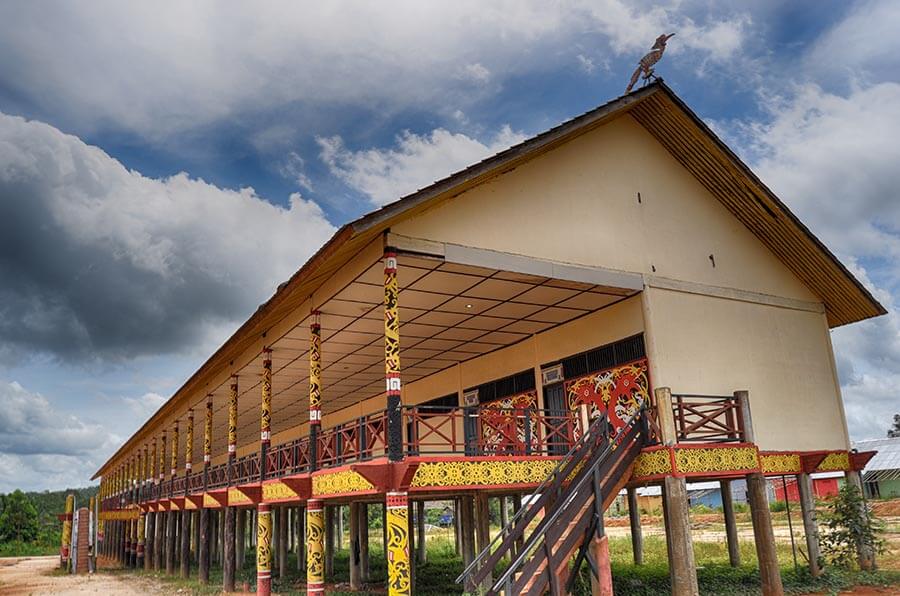
Betang House
(Central Kalimantan)
The traditional Betang house is a remarkable creation of
the Dayak people residing in the interior of Kalimantan,
embodying the concept of communal living. The Dayak's
Betang house stretches approximately 180 meters,
featuring an impressive arrangement of 35 doors, each
gate serving as the entrance to a distinct household.
Constructed primarily with ulin wood, chosen for its
resistance to termite infestation, the Betang house
stands as a testament to the architectural prowess of
the Dayak community, with the ability to endure for
decades, if not centuries.
Built upon the ethos of communal living, the Betang
house not only serves as a physical dwelling but also
encapsulates the cultural practices of the Dayak people.
The Dayak's affinity for nurturing animals such as dogs,
birds, cats, pigs, or cows adds an additional layer to
their way of life. This practice extends beyond mere
utility, as animals are regarded as companions during
hunting expeditions in the forest. The wisdom and
hospitality embedded in the Betang community make it an
alluring attraction for tourists seeking a deeper
understanding of the Dayak cultural heritage in Central
Kalimantan. The communal living space becomes a window
into the rich traditions, social dynamics, and cultural
values of the Dayak people, fostering a unique and
immersive experience for those eager to explore the
depths of Central Kalimantan's indigenous culture.
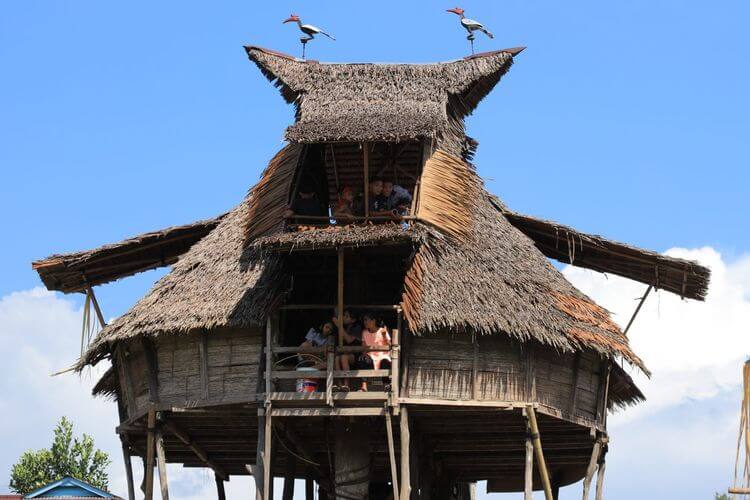
Baluk House (West Kalimantan)
The Baluk traditional house stands out as a distinctive
architectural marvel among the Dayak tribes, showcasing
a form unlike any other. Its unique design serves
specific purposes, primarily employed during annual
rituals and the nibak’ng season. Nibak’ng marks the
period following the cultivation of fields in
preparation for the upcoming year and is typically
conducted on the 15th of June each year. The Baluk house
plays a vital role during these ceremonies, contributing
to the cultural and spiritual fabric of the Dayak
community in West Kalimantan.
What sets the Baluk house apart is not only its
functional significance but also its intriguing circular
structure. With a diameter of around 10 meters and a
height of 10 meters, the Baluk house becomes an
architectural centerpiece, symbolizing the
interconnectedness of the community and their
deep-rooted connection to the cycles of nature. The
unique blend of form and function in the Baluk house
makes it a compelling subject for exploration, offering
insights into the indigenous rituals, traditions, and
architectural ingenuity of the Dayak people in West
Kalimantan.
Traditional Activites
Kalimantan beckons with a variety of activities that blend adventure and cultural exploration. From trekking through lush rainforests and cruising along scenic rivers to immersing in indigenous ceremonies and visiting traditional Dayak villages, the island offers a rich tapestry of experiences. Vibrant markets and authentic local cuisine further enhance the charm of this Indonesian destination, ensuring that visitors leave with a blend of natural wonders and cultural insights.
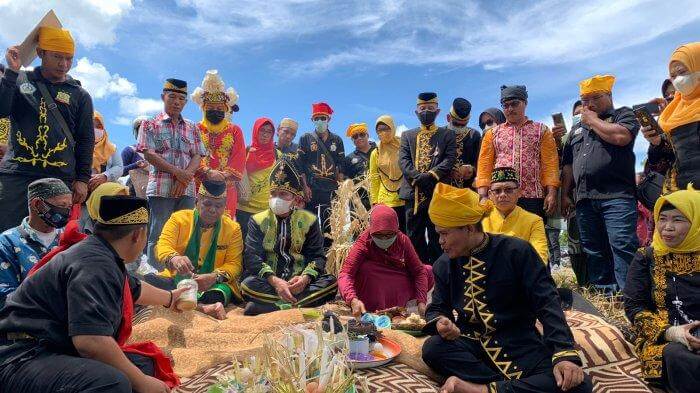
Nondoi (East Kalimantan)
Nondoi is a revered annual tradition conducted by the
Paser tribe in the North Penajam Paser Regency of East
Kalimantan Province, Indonesia. This cultural ritual,
rooted in the customs of the Paser people, revolves
around a collective village cleanup. Passed down through
generations, Nondoi is a testament to the enduring
cultural practices and strong community bonds among the
Paser tribe. The ritual symbolizes more than just a
physical act of tidying; it embodies a spiritual
connection to their ancestral heritage and a commitment
to environmental stewardship deeply ingrained in their
way of life.
During the Nondoi ritual, the entire village actively
participates in cleaning and beautifying their communal
spaces. This collective effort not only ensures the
cleanliness and orderliness of their surroundings but
also reinforces the sense of unity and mutual
responsibility within the Paser community. Beyond its
practical implications, Nondoi serves as a cultural
beacon, fostering social cohesion and preserving the
rich tapestry of Paser traditions. The ritual becomes a
communal celebration of identity, passed down from
elders to the younger generation, thereby ensuring the
continuity of cultural values in the vibrant landscapes
of East Kalimantan.
As the Paser tribe engages in the annual Nondoi ritual,
the event becomes a living testimony to the enduring
connection between the Paser people and their
environment. Beyond the physical act of cleaning, Nondoi
represents a spiritual renewal and a reaffirmation of
the symbiotic relationship between the community and the
land they inhabit. The ritual's significance extends
beyond its immediate context, offering a profound
insight into the cultural resilience and environmental
consciousness of the Paser tribe in East Kalimantan.
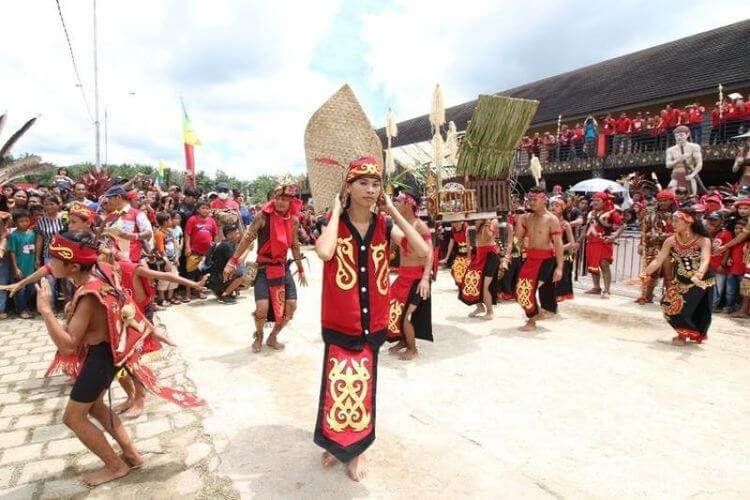
Naik Dango (West Kalimantan)
Naik Dango, or Gawai Dayak, is a traditional ceremonial
event observed by the indigenous communities of West
Kalimantan, specifically the Dayak Kanayatn people. This
cultural celebration takes place across various regions,
spanning from the Landak Regency to Pontianak Regency
and Sanggau Regency. Naik Dango holds profound cultural
significance, serving as a collective expression of the
Dayak Kanayatn people's identity, spirituality, and
communal unity.
The Naik Dango ceremony is deeply rooted in the
traditional beliefs and practices of the Dayak Kanayatn,
marking important milestones in the community's
agricultural calendar. This cultural celebration often
coincides with the rice planting season, symbolizing a
connection between the spiritual realm and the
agricultural cycles crucial to the livelihood of the
Dayak people. The ceremony involves intricate rituals,
traditional dances, and communal feasts, creating a
vibrant tapestry of cultural expression. It serves as a
platform for the passing down of indigenous knowledge
from elders to the younger generation, fostering a sense
of continuity and shared cultural values.
Beyond its agricultural symbolism, Naik Dango is a
manifestation of the Dayak Kanayatn's harmonious
relationship with nature and their deep-rooted
spirituality. The ceremony reflects a holistic worldview
that recognizes the interconnectedness of the community
with the natural environment. As participants engage in
ritualistic practices and celebrate their cultural
heritage, Naik Dango becomes a living testament to the
resilience and cultural richness of the Dayak Kanayatn
people in West Kalimantan.
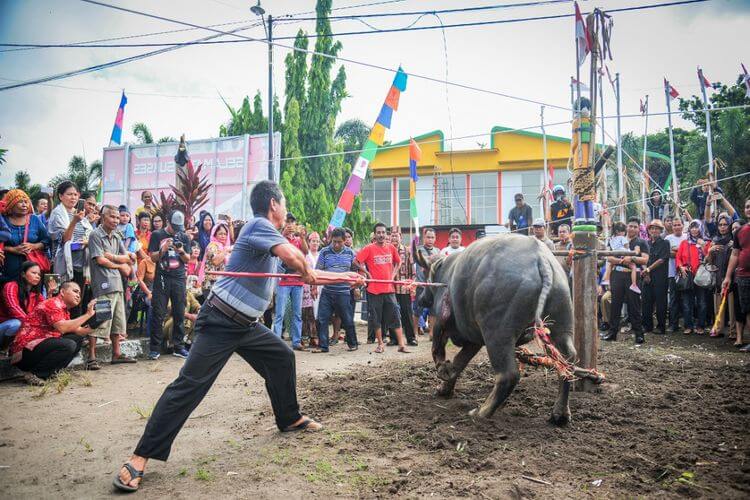
Ritual Tiwah (Central Kalimantan)
Tiwah Ritual is a significant indigenous ceremony in
Kalimantan that continues to be conducted to this day.
Originating from the Dayak Ngaju community in Central
Kalimantan, the Tiwah Ritual is a traditional funeral
ceremony and the largest sacred ritual among the Dayak
Ngaju people. This cultural event serves as a unique
intersection between spirituality, social customs, and
the communal identity of the Dayak Ngaju, showcasing the
rich tapestry of their cultural heritage.
The Tiwah Ritual holds a central place in the lifecycle
of the Dayak Ngaju, representing a profound journey of
the soul after death. This elaborate ceremony involves
intricate rituals and symbolic activities conducted over
several days. It is characterized by the elaborate
construction of a Tiwah tower, where the remains of the
deceased are placed. The tower, adorned with various
carvings and decorations, becomes a sacred focal point
during the ritual. Participants, clad in traditional
attire, engage in dances, chants, and offerings,
creating a spiritually charged atmosphere. The Tiwah
Ritual also involves the symbolic release of the soul,
signifying its transition to the afterlife. Through
these customs, the Dayak Ngaju honor their departed,
strengthen community bonds, and express a deep reverence
for the cycles of life and death.
Beyond its religious and communal dimensions, the Tiwah
Ritual also reflects the Dayak Ngaju's intricate
artistic expressions. The construction of the Tiwah
tower itself is a masterpiece of traditional
craftsmanship, with its intricate carvings depicting
cultural motifs and ancestral symbols. The ritual music,
dance, and attire contribute to the vibrant cultural
tapestry, creating an immersive experience that
transcends the boundaries of time. The Tiwah Ritual
stands as a testament to the resilience and continuity
of the Dayak Ngaju's cultural practices, providing a
window into the spiritual beliefs and artistic
expressions that define Central Kalimantan's indigenous
identity.
Sumatra Batik
Each batik piece is a masterpiece, reflecting significant cultural and social importance in Sumatra, often used in ceremonies, celebrations, and daily wear, symbolizing the island's unique cultural identity.
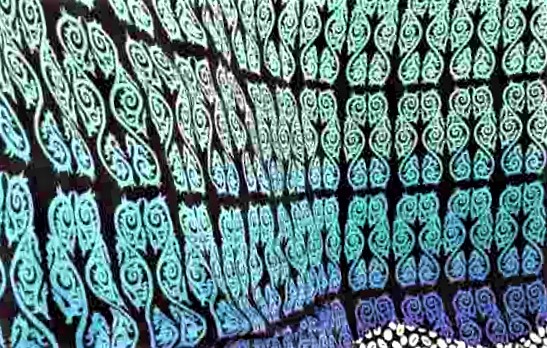
Simeol-meol
(North Sumatra)

Dalihan Na Tolu
(North Sumatra)
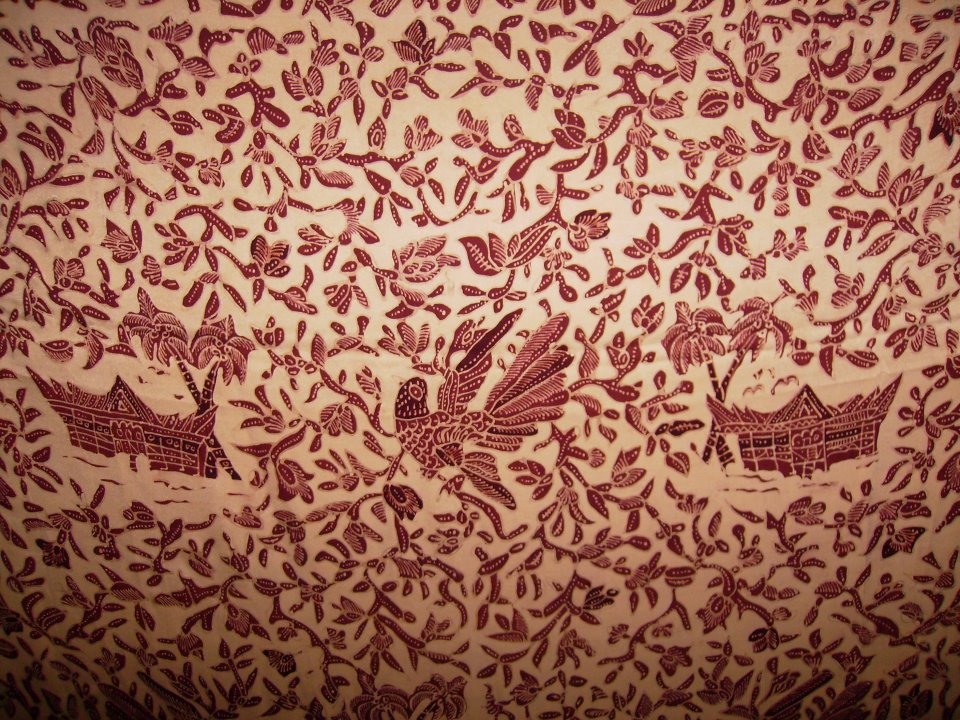
Tanah Liek
(West Sumatra)
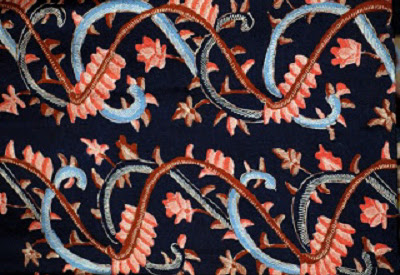
Keluak Daun Paku
(West Sumatra)
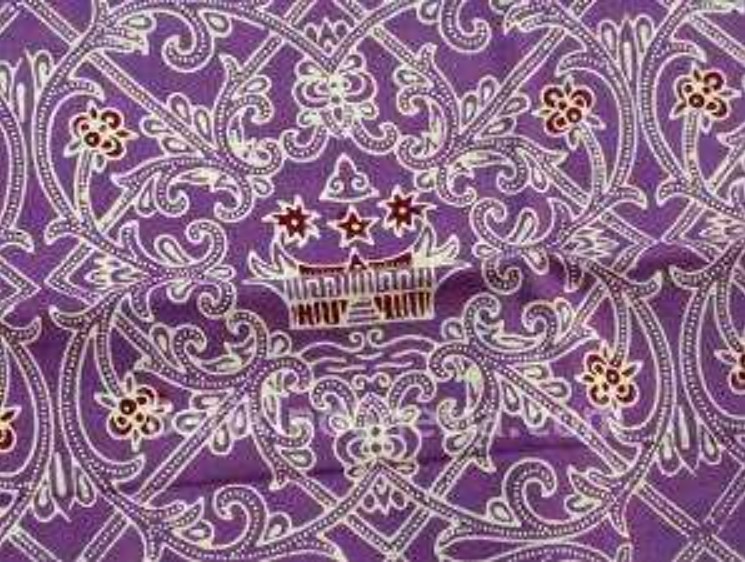
Rangkiang
(West Sumatra)
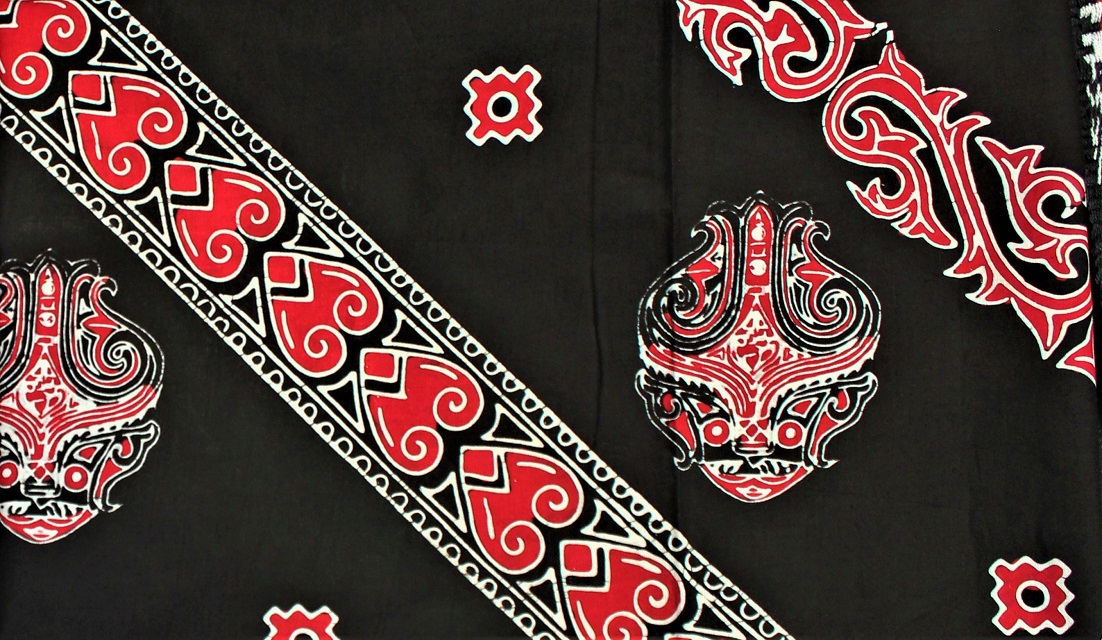
Bodat Marsihutuan
(North Sumatra)
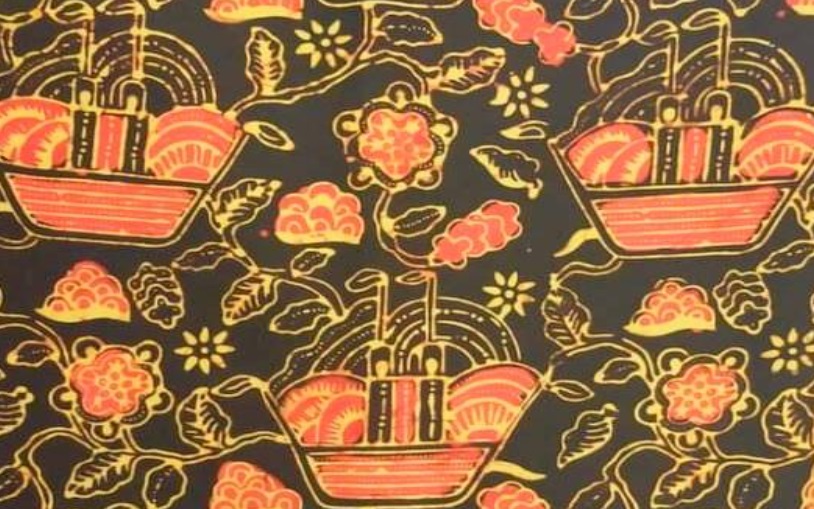
Kapal Sanggat
(North Sumatra)
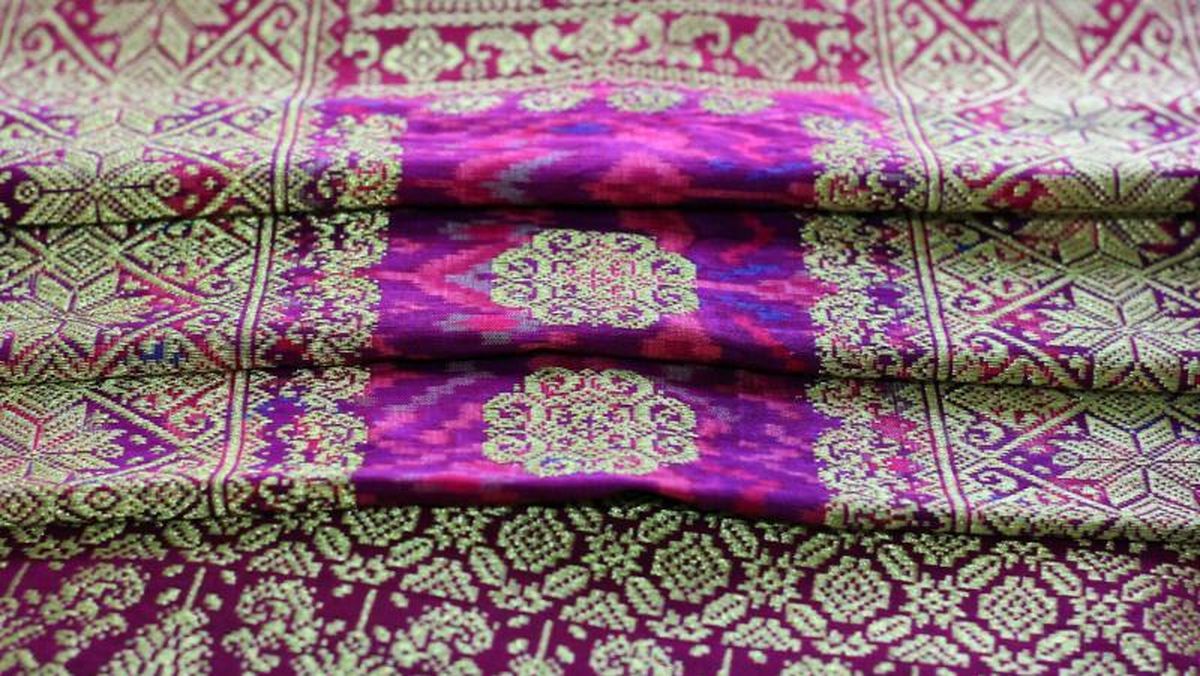
Songket
(South Sumatra)
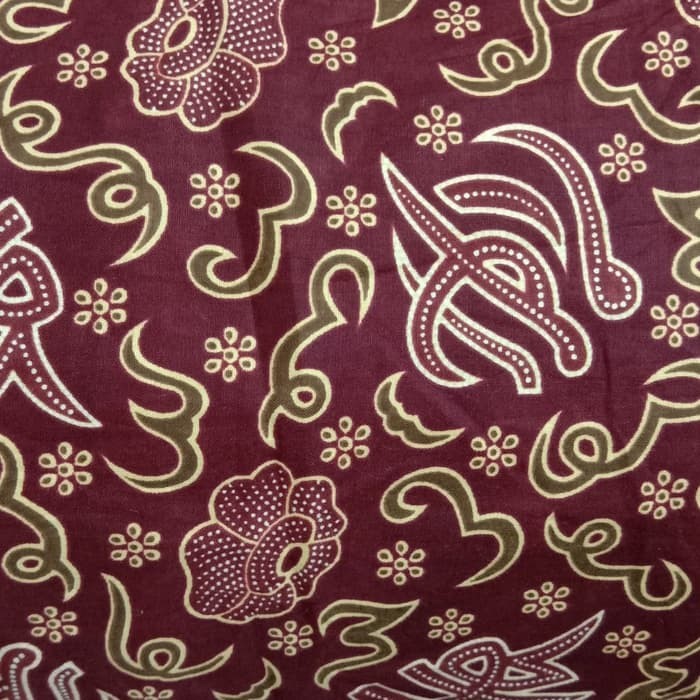
Besurek
(West Sumatra)
Traditional Dances From Sumatra
Indonesia is celebrated for its diverse and rich culture, where each ethnic group showcases its captivating traditional dance. Sumatra, an island steeped in cultural history, is home to a variety of traditional dances. Among these, Sumatra's dance forms are particularly remarkable for their grace and intricacy.
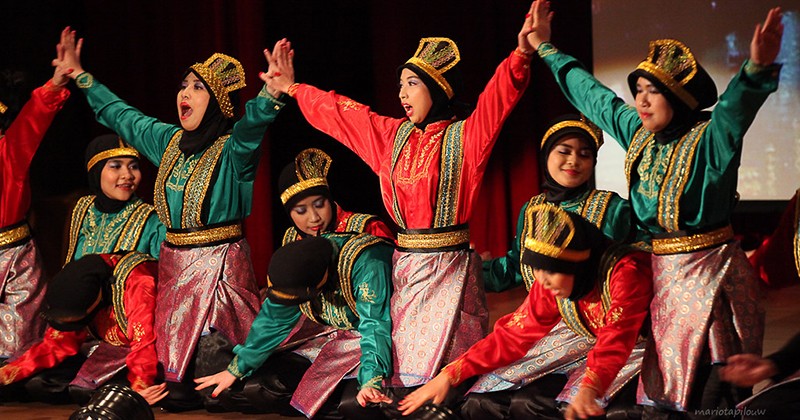
Saman, Aceh (West Sumatra)
Tari Saman, a captivating traditional dance originating
from Aceh, Indonesia, is a mesmerizing cultural
spectacle that reflects the artistic prowess and
communal spirit of the Acehnese people. Also known as
the Saman Dance or the Dance of a Thousand Hands, Tari
Saman is characterized by its intricate hand movements,
rhythmic clapping, and dynamic choreography. The dance
is often performed in a seated or kneeling position,
with a group of performers creating a visually stunning
and synchronized display that narrates stories from
local folklore.
The uniqueness of Tari Saman lies in its emphasis on
group harmony and cooperation. Typically performed by a
large ensemble, the dance requires perfect coordination
among the participants, with each dancer executing
precise hand gestures and body movements to contribute
to the overall rhythmic flow. The unison of these
movements, coupled with the energetic clapping and
singing, creates a powerful and communal atmosphere that
resonates with the deeply rooted cultural values of
togetherness and shared identity.
Tari Saman is not merely a performance but a cultural
expression that transcends generations. Passed down
through oral traditions, the dance plays a vital role in
preserving the rich heritage of Aceh. Beyond its
artistic beauty, Tari Saman serves as a symbolic
representation of unity and solidarity, making it a
cherished and integral part of Indonesia's cultural
tapestry.
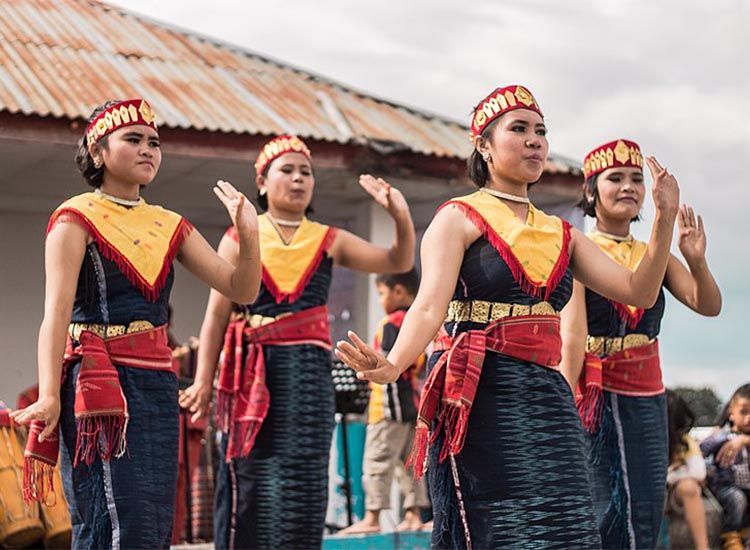
Tor-tor, Batak (North Sumatra)
Tari Tor Tor is a traditional dance originating from the
Batak Toba ethnic group, who inhabit the North Sumatra
region of Indonesia. This dance has ancient roots,
deeply ingrained in the cultural fabric of the Batak
people. Originating from time immemorial, Tor Tor has
evolved into an integral aspect of Batak culture, woven
into the tapestry of their traditions and ceremonies. It
finds its traditional settings in customs like weddings,
the welcoming of esteemed guests, or religious
celebrations, where the dance is performed with utmost
reverence.
The distinctive and unique movements of Tari Tor Tor set
it apart, creating a visual spectacle that is both
captivating and culturally significant. These movements
are intricately designed, often embodying elements of
storytelling or expressing profound meanings tied to the
Batak worldview. Accompanying the dance is the
traditional gondang music, which enhances the immersive
experience, adding a rhythmic dimension that complements
the graceful movements. The synchronized synergy between
the dance and music creates an atmosphere that resonates
with the deep-rooted cultural heritage of the Batak Toba
people.
Originally a ceremonial art form, Tari Tor Tor has
transcended its ceremonial origins and now serves as a
cultural symbol, proudly showcased on various platforms
to celebrate and preserve the rich traditions of the
Batak community. The dance embodies the collective
memory of the Batak Toba people, reflecting their
identity, values, and historical continuity through the
expressive artistry of movement and music.
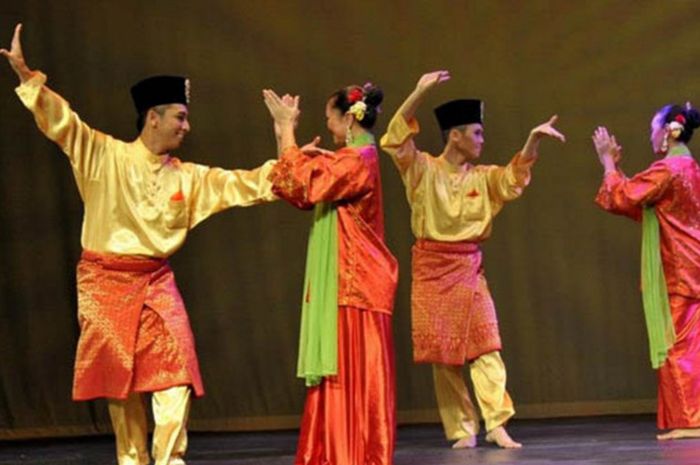
Serampang Dua Belas, Deli Serdang
(North Sumatra)
Tari Serampang Dua Belas originates from the Melayu Deli
ethnic group in the Deli Serdang Regency of North
Sumatra, Indonesia. This enchanting dance was crafted by
Guru Sauti in the 1950s, becoming a cultural gem that
reflects the unique heritage of the Melayu Deli
community. The dance's movements are a harmonious blend
of traditional Melayu Deli gestures, intricately
interwoven with twelve distinct movements. Guru Sauti's
innovation in choreography has given birth to a dance
that not only preserves the cultural roots of the Melayu
Deli people but also adds a layer of artistic
complexity.
The choreography of Tari Serampang Dua Belas embodies
the graceful essence of Melayu Deli, incorporating a
dynamic fusion of movements. The twelve distinct
gestures symbolize a rich tapestry of cultural elements,
telling stories and conveying the historical narratives
unique to the Melayu Deli community. The dance's swift
tempo adds an element of vivacity and energy, creating a
captivating visual and auditory experience for the
audience. As dancers move in synchrony, the quick pace
of Tari Serampang Dua Belas reflects the vibrant spirit
and dynamism inherent in the cultural milieu of the
Melayu Deli people.
Beyond its artistic allure, Tari Serampang Dua Belas
holds deep cultural significance for the Melayu Deli
community. It serves as a living testament to their
history and traditions, a form of expression that
connects generations and fosters a sense of identity. As
the dance continues to be performed and celebrated, it
not only showcases the cultural richness of North
Sumatra but also stands as a testament to the enduring
creativity and innovation within Indonesia's diverse
traditional arts.
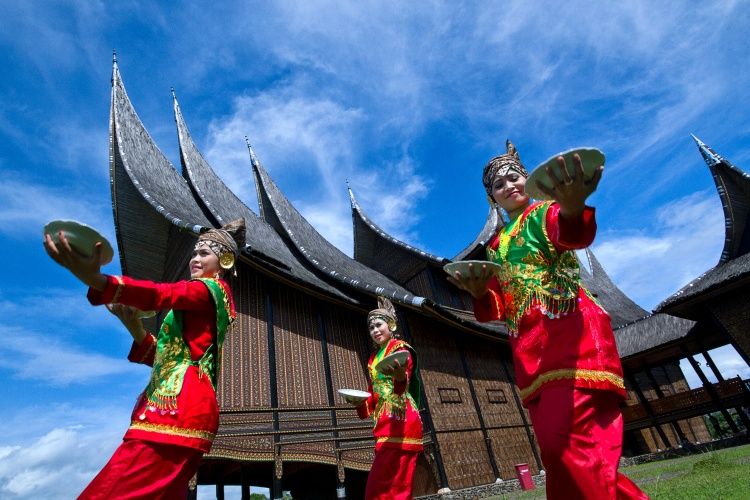
Piring, Minangkabau (West Sumatra)
Tari Piring, originating from West Sumatra, Indonesia,
is a traditional dance that stands out for its cultural
significance and captivating performance. Translated as
the "Plate Dance," Tari Piring is a unique expression of
Minangkabau culture, a traditional dance form that has
been passed down through generations. The dance is
characterized by its distinctive use of plates,
skillfully balanced and manipulated by the performers as
they execute intricate and rhythmic movements.
The movements of Tari Piring are a mesmerizing display
of precision and artistry, making it a visually striking
and culturally rich performance. The dancers, adorned in
traditional Minangkabau attire, showcase their dexterity
as they balance and manipulate plates in their hands
while moving in harmony with the accompanying music.
This traditional dance is often performed during
significant cultural events, such as weddings and
festivals, reflecting the deep connection between Tari
Piring and the cultural celebrations of the Minangkabau
people.
Beyond its aesthetic appeal, Tari Piring holds symbolic
significance within the Minangkabau culture. The plates
are seen as representations of life's challenges and
struggles, and the dance serves as a metaphor for
balance and harmony in facing these challenges. Tari
Piring, with its rhythmic choreography and cultural
symbolism, not only entertains but also imparts
important values and narratives that contribute to the
preservation and appreciation of West Sumatra's rich
cultural heritage.
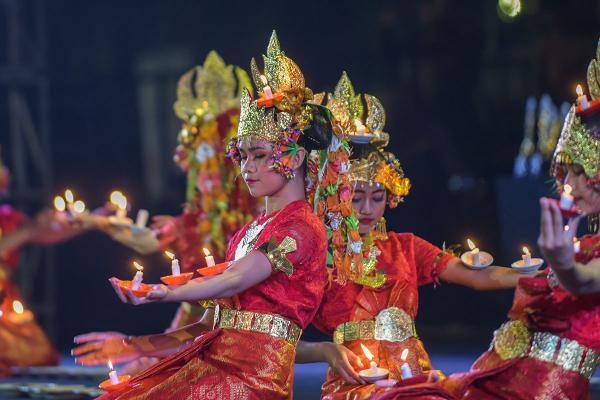
Lilin, Minangkabau (West Sumatra)
Tari Lilin, also known as the Candle Dance, is a
captivating traditional dance originating from West
Sumatra, Indonesia, specifically from the Minangkabau
culture. This graceful dance is a vibrant celebration
that combines artistic expression with cultural
symbolism. Dancers, adorned in traditional Minangkabau
attire, delicately hold candles as they move with
precision and elegance, creating a mesmerizing
spectacle. The dance is often performed during
significant cultural events such as weddings,
celebrations, and other traditional ceremonies,
symbolizing purity, enlightenment, and the serene beauty
associated with the glow of candlelight.
The Candle Dance holds a profound cultural significance
within the Minangkabau community. The candles carried by
the dancers are not merely props but symbolic elements
representing spiritual purity and enlightenment. The
intricate hand movements and choreography showcase the
meticulous training and artistry of the performers,
making Tari Lilin a visual feast for spectators. This
dance not only entertains but also serves as a means of
cultural storytelling, conveying narratives that reflect
the spiritual and aesthetic values deeply rooted in
Minangkabau traditions.
As a cherished part of West Sumatra's rich cultural
heritage, Tari Lilin plays a crucial role in preserving
and passing down traditional customs to future
generations. The dance embodies the collective identity
of the Minangkabau people, serving as a dynamic
expression of their cultural pride and artistic
creativity. Through the graceful motions and symbolic
elements of Tari Lilin, the dance continues to be a
source of cultural enrichment, connecting communities
and fostering a deep appreciation for the traditions
that make West Sumatra's cultural landscape unique.
Traditional Musical Instruments From Sumatra
In Sumatra, Indonesia, traditional musical instruments play a pivotal role in shaping the island's distinctive cultural identity. The music produced by these instruments transcends mere entertainment, becoming an indispensable element of daily life and taking center stage in various ceremonies, festivities, and rituals. These traditional Sumatran instruments serve as more than just vehicles of artistic expression; they stand as vibrant symbols of the island's diverse cultural legacy, bridging the contemporary generation with their ancestral heritage. Through this connection, they actively contribute to the preservation of Sumatra's rich traditions, instilling a profound sense of identity and pride among the varied communities that inhabit this culturally rich island.
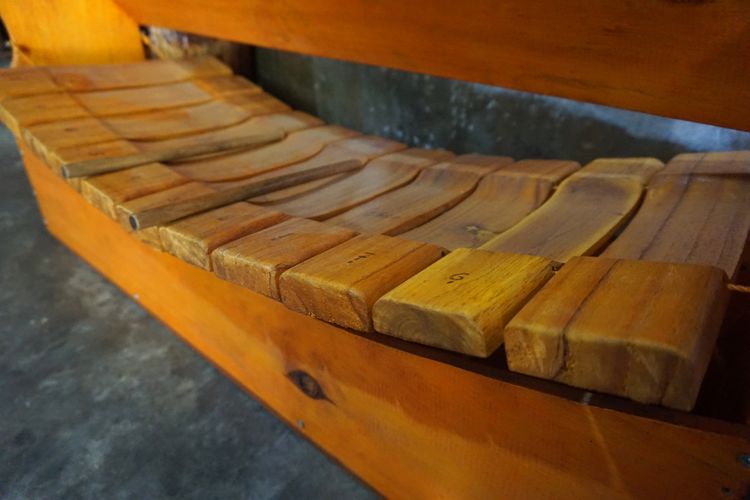
Garantung (North Sumatra)
Garantung, also pronounced as garattung, is a
traditional Batak Toba musical instrument crafted from
wood with five tuned blades. Classified as a Xylophone,
this unique instrument hails from North Sumatra,
Indonesia. Beyond being a melodic carrier, Garantung
assumes a crucial role as a variable rhythmic element in
specific musical compositions. Played using a technique
called "Mamalu," the instrument is struck on its five
tuned blades.
The construction of Garantung involves seven slabs
suspended over a resonator box. The playing process
involves two sticks, with the right hand striking the
handle and blades simultaneously, while the left hand
contributes to both melody and rhythm. The resonator box
enhances the instrument's tonal quality, creating a
distinct sound that contributes to the rich musical
tapestry of Batak Toba culture. Garantung is not merely
a musical tool but a cultural emblem, embodying the
deep-rooted traditions and artistic expressions of North
Sumatra's Batak community.
In the intricate melodies produced by Garantung, one can
discern the cultural narratives and historical echoes of
the Batak Toba people. The instrument's dual
functionality, as both a melodic and rhythmic element,
showcases its versatility and significance in
traditional performances. Preserving and playing
Garantung is not just a musical practice; it is a means
of upholding the cultural legacy of North Sumatra,
providing a profound connection to the region's heritage
for present and future generations.
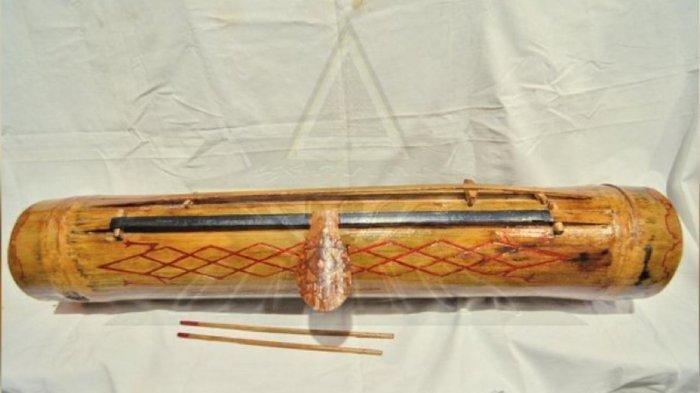
Keteng-keteng (North Sumatra)
Keteng-keteng is a traditional percussion instrument
originating from the Karo people in North Sumatra,
Indonesia. Crafted primarily from bamboo, Keteng-keteng
has a length of approximately half a meter and features
strings made from the bamboo's own skin. The striking
element consists of two bamboo pieces, forming the
beaters. When played, Keteng-keteng is struck like a
drum, producing a distinctive sound characterized by the
unique combination of the bamboo axis being struck and
the resonating strings.
The bamboo-based construction of Keteng-keteng not only
serves functional purposes but also reflects the
resourcefulness and connection to nature inherent in the
Karo people's culture. The instrument is more than a
mere musical tool; it is a testament to the traditional
craftsmanship and ingenuity of the Karo community. The
use of bamboo as both the primary material and the
source of strings adds a layer of cultural significance
to Keteng-keteng, as it embodies sustainable practices
and an intimate relationship with the natural resources
of North Sumatra.
Playing Keteng-keteng involves a rhythmic interplay
between the percussionist and the instrument, creating a
dynamic musical experience. The resulting sound, with
its resonant tones and unique timbre, contributes to the
rich sonic landscape of Karo traditional music.
Keteng-keteng, through its distinctive construction and
cultural resonance, stands as a symbol of the Karo
people's identity, showcasing their musical traditions
and resourceful creativity in utilizing the materials
available in their natural environment.
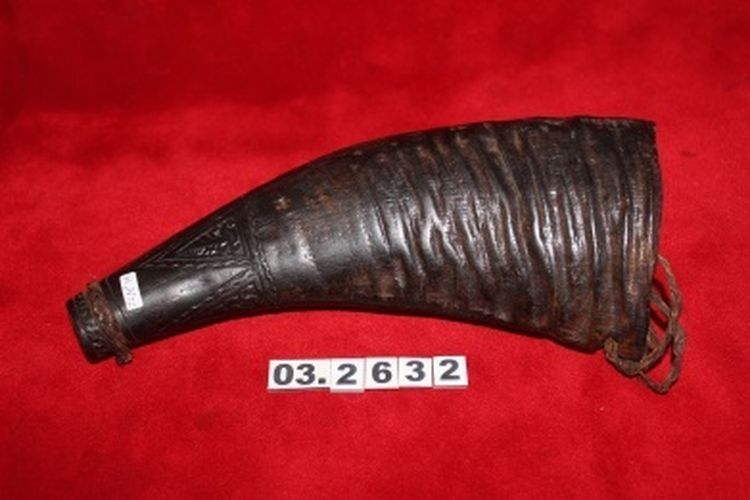
Pupuik Tanduak (West Sumatra)
True to its name, Pupuik Tanduk or Tanduak is crafted
from buffalo horns. This unique instrument is frequently
played by the Minangkabau community in rural areas,
fashioned by cutting the tip of the buffalo horn to
create a hollow space extending to its base. The making
of Pupuik Tanduak reflects the resourcefulness of the
Minangkabau people, utilizing natural materials in their
surroundings to create instruments that carry cultural
significance.
Pupuik Tanduak is played by blowing into it, and the
quality of the buffalo horn directly influences the
volume and pitch of the resulting sound. If the buffalo
horn is of high quality, the produced sound becomes
louder and more piercing. It is not uncommon for this
distinctive sound to carry over long distances, making
Pupuik Tanduak an effective means of communication in
the rural landscapes of West Sumatra. The intricate
craftsmanship involved in creating this instrument,
coupled with its sonic properties, transforms Pupuik
Tanduak into more than just a musical tool—it becomes a
symbolic representation of the Minangkabau culture and
their harmonious relationship with nature.
Beyond its musical applications, Pupuik Tanduak often
serves social and ceremonial functions within the
Minangkabau community. It is employed during traditional
events, celebrations, and rituals, adding a distinct
auditory dimension to the cultural expressions of the
people. The buffalo horn's resonance in Pupuik Tanduak
becomes a carrier of cultural stories and traditions,
echoing through the valleys and fields of West Sumatra
and connecting the Minangkabau people with their
heritage in a unique and profound way.
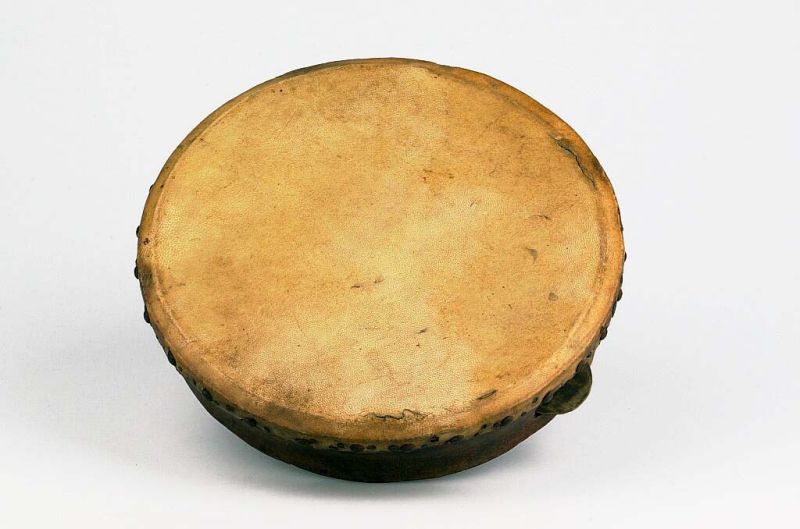
Rebana (West Sumatra)
Rebana, also known as Robano, is a drum-like traditional
musical instrument characterized by its front surface
covered with animal skin, played by striking. This
percussion instrument comes in various sizes, ranging
from 17 to 70 centimeters, accommodating players of all
ages, from children to adults. The versatility in size
allows Rebana to be accessible across different age
groups, making it a popular choice for various community
events and celebrations.
The rhythmic beats of Rebana are often showcased in
ceremonial performances associated with religious
practices, prominently in Islamic traditions. Its
presence is notable in events like Quranic recitation
ceremonies (khatam Al-Quran), circumcision ceremonies
(khitanan), and significant Islamic festivities. The
sound of Rebana becomes an integral part of these
religious celebrations, adding a dynamic and spirited
element to the communal expressions of faith. The
instrument's resonance carries a cultural weight,
fostering a sense of unity and spiritual connection
within the community.
In addition to its religious significance, Rebana serves
as a cultural marker in West Sumatra, reflecting the
region's rich traditions and artistic heritage. Its
widespread use in both religious and community events
underscores its versatile role as a symbol of cultural
identity and communal bonding. The vibrant and rhythmic
tunes produced by Rebana not only celebrate religious
occasions but also contribute to the preservation and
transmission of West Sumatra's cultural legacy,
transcending generations and echoing the heartbeat of
the community.
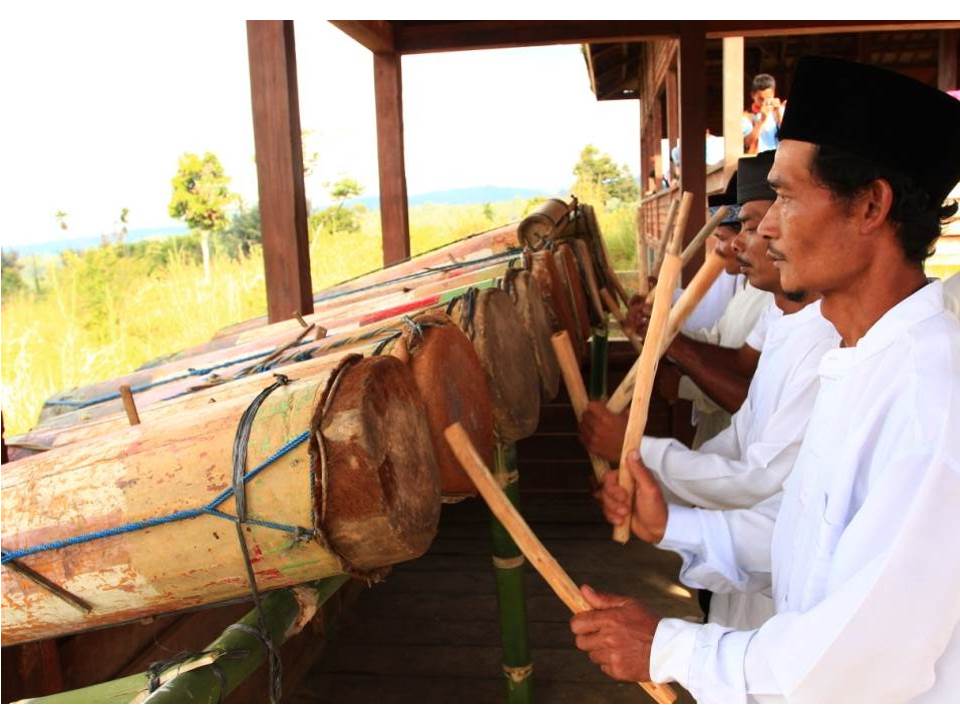
Gordang Sambilan (North Sumatra)
Gordang Sambilan is a traditional musical instrument
from the Mandailing community in North Sumatra,
Indonesia. This instrument comprises a set of drums or
beduk with varying lengths and diameters, creating a
unique range of tones. Typically played by a group of
six individuals, Gordang Sambilan is commonly featured
in customary ceremonies such as weddings and funerals
within the Mandailing culture. The ensemble of drums,
each with its distinct sound, contributes to the
richness of the musical performance and holds a
significant place in the cultural practices of the
Mandailing people.
The captivating resonance produced by Gordang Sambilan
plays a crucial role in setting the sacred ambiance
during cultural ceremonies. The instrument's rhythmic
beats add a layer of solemnity to events like weddings
and funerals, enhancing the spiritual atmosphere and
providing a cultural backdrop to these significant life
milestones. The coordinated effort of the six musicians
results in a harmonious blend of tones, creating an
immersive auditory experience that resonates with the
Mandailing community's deeply rooted traditions.
Beyond its role in formal ceremonies, Gordang Sambilan
also serves as a cultural symbol, embodying the artistic
and communal spirit of the Mandailing people. The
instrument's usage in various life events underscores
its versatility and adaptability, reflecting the
enduring significance of traditional music in preserving
cultural identity. Through the melodic expressions of
Gordang Sambilan, the Mandailing community not only
honors their heritage but also ensures that the soulful
beats of this traditional instrument continue to echo
through the generations, connecting past, present, and
future.
Traditional House In Sumatra
Traditional houses in Sumatra seamlessly fuse indigenous design with historical influences, characterized by steep roofs, intricate wooden carvings, and a harmonious integration with the surrounding environment. Rooted in a profound connection to nature, these dwellings serve as symbolic embodiments of Sumatra's diverse culture, encapsulating age-old traditions and spiritual beliefs. Beyond their architectural significance, these traditional houses play a vital role in preserving Sumatra's rich heritage for future generations, offering a glimpse into the island's cultural tapestry and ensuring that its unique legacy endures through the passage of time.
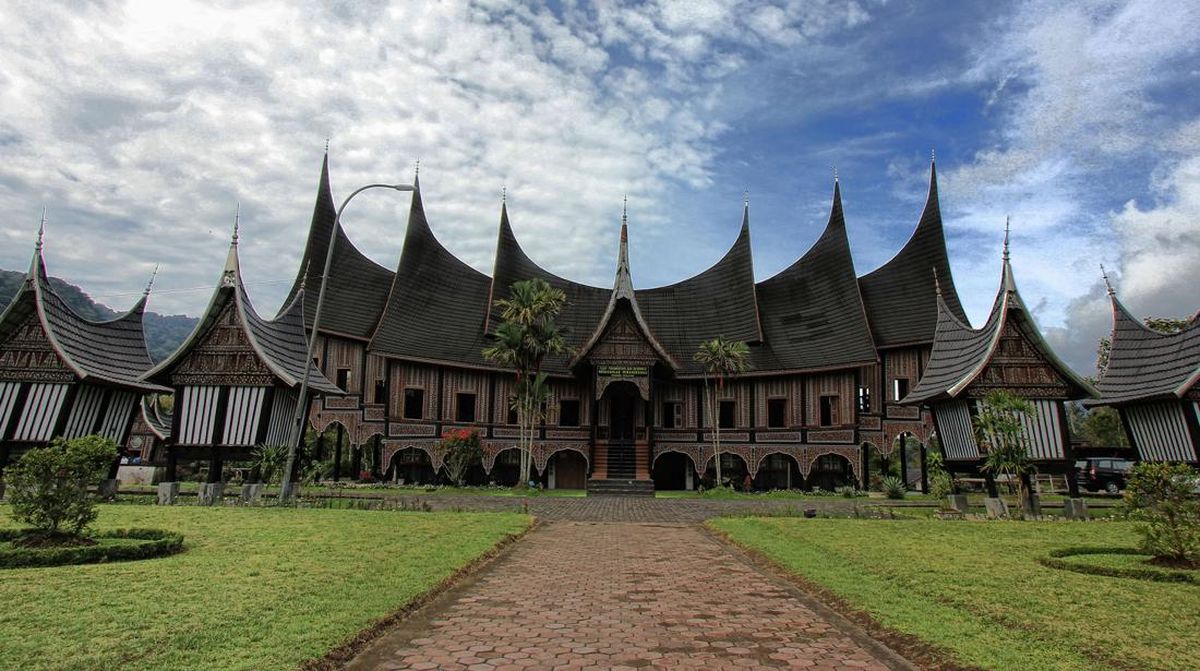
Gadang House (West Sumatra)
The traditional house known as "Gadang" originates from
West Sumatra, specifically in Padang, and is intricately
tied to the cultural heritage of the Minangkabau people.
Referred to by various names such as "rumah gadang,"
"rumah godang," "rumah bagonjong," or "rumah baanjuang,"
these houses stand as architectural marvels,
characterized by their distinctive features. The
exaggerated curved roofs with multi-tiered, upswept
gables and ornate wooden carvings not only showcase the
aesthetic prowess of Minangkabau architecture but also
serve as symbols of the matrilineal society, where
familial lineage and property are passed down through
the female line.
Gadang houses go beyond their role as dwellings; they
embody the Minangkabau people's deep connection to their
cultural roots and environment. With their integration
of natural elements and spiritual symbolism, these
traditional houses become living artifacts that tell the
story of West Sumatra's history, traditions, and
spiritual beliefs. As enduring guardians of Minangkabau
identity, Gadang houses play a crucial role in
preserving the cultural legacy of the region, ensuring
that the rich traditions and unique architectural
heritage continue to captivate and inspire generations
to come.
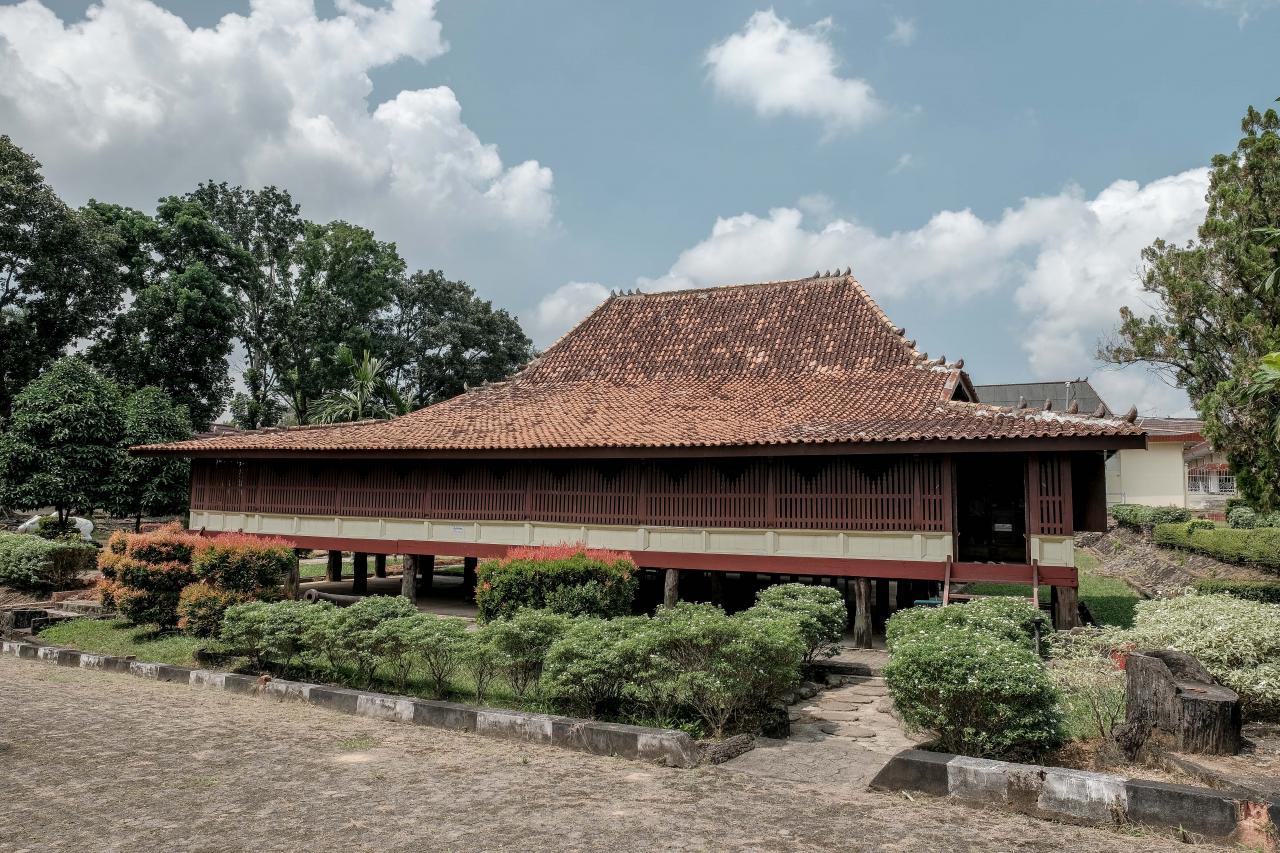
Limas House (South Sumatra)
This traditional house, aptly named "Limas" due to its
pyramid-like structure, stands as a cultural icon in
South Sumatra, Indonesia. Visitors to this unique
dwelling are welcomed into the upper space or terrace,
adhering to a local tradition that allows guests to
experience the community's culture showcased in the
intricate carvings within. Beyond its symbolic cultural
representation, the architectural design of this
traditional house serves as a prototype for dwellings in
South Sumatra. Characterized by its pyramid-shaped roof,
the Limas house also features multi-tiered floors known
as Bengkilas, reserved exclusively for family affairs
and events such as celebrations.
The Limas house not only captures the essence of South
Sumatran architecture but also embodies a living
testament to the community's rich cultural heritage. The
pyramid roof not only defines its distinctive silhouette
but also reflects the unique aesthetic preferences of
the region. Through its multi-functional design, with
the terrace serving as a communal space and the
Bengkilas reserved for familial occasions, the Limas
house becomes a space where tradition and contemporary
family life harmoniously coexist, providing a tangible
link between the past and present for the people of
South Sumatra.
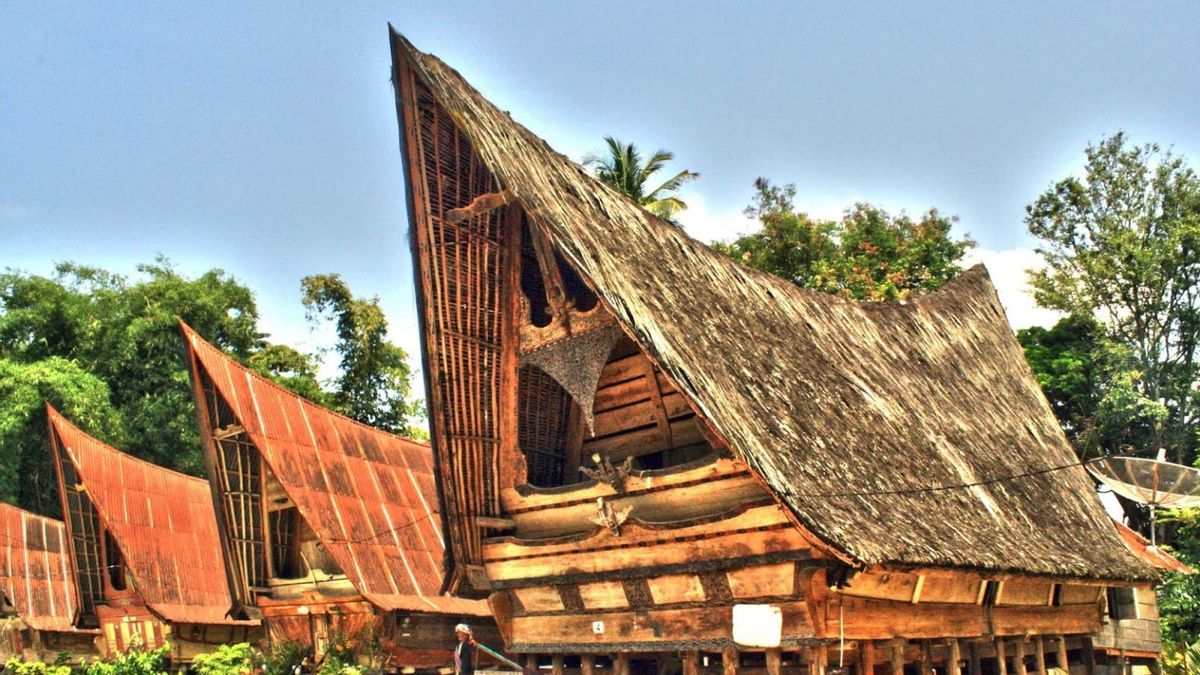
Bolon House (North Sumatra)
Rumah Bolon, a traditional house originating from North
Sumatra, has been passed down by ancestors for
centuries, serving as a testament to the region's rich
cultural heritage. Initially intended for 13 kings
scattered throughout North Sumatra, including Raja
Ranjinman, Raja Nagaraja, Raja Batiran, Raja Bakkaraja,
Raja Baringin, Raja Bonabatu, Raja Rajaulan, Raja Atian,
Raja Hormabulan, Raja Raondop, Raja Rahalim, Raja Karel
Tanjung, and Raja Mogam, Rumah Bolon stands as an
architectural embodiment of historical and royal
significance. The various types and forms of Rumah
Bolon, such as Bolon Toba, Bolon Simalungun, Bolon Karo,
Bolon Mandailing, Bolon Pakpak, and Bolon Angkola,
further showcase the diversity and uniqueness embedded
in North Sumatra's cultural landscape.
Beyond its architectural diversity, Rumah Bolon serves
as a tangible link to the past, reflecting the social
and political structure of ancient North Sumatra. These
houses were initially designated for kings, underlining
their importance in regional governance and leadership.
Today, they stand as cultural landmarks, preserving the
legacy of the North Sumatran people and offering a
window into the region's intricate cultural tapestry.
Rumah Bolon not only represents the architectural
prowess of its builders but also stands as a living
monument to the historical and royal legacy that
continues to shape the cultural identity of North
Sumatra.
Traditional Activites
Sumatra offers a harmonious blend of adventure and cultural exploration. Trek through lush landscapes, cruise along winding rivers, and immerse yourself in indigenous ceremonies and traditional villages. Vibrant markets and authentic local cuisine add a flavorful touch to this Indonesian destination, providing a rich tapestry of experiences that captures both natural wonders and cultural insights.
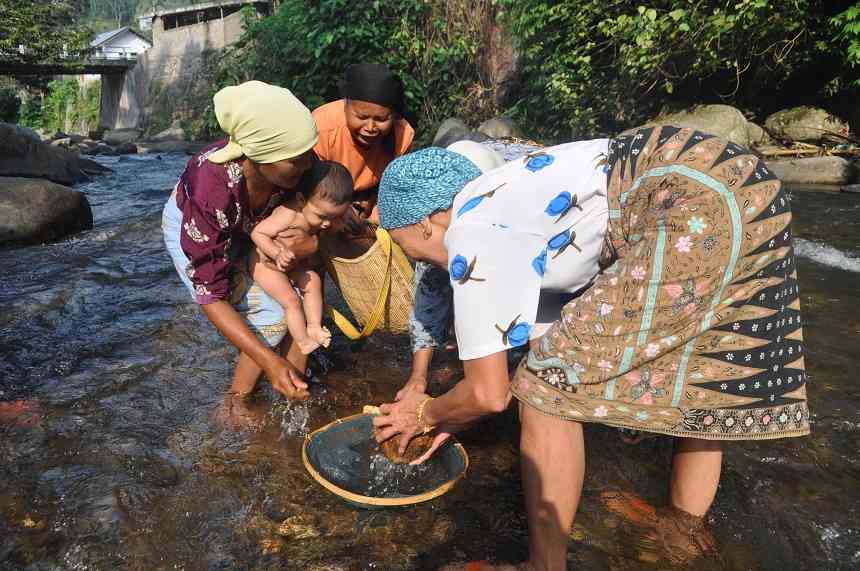
Turun Mandi (West Sumatra)
The Turun Mandi ceremony is a traditional ritual passed
down through generations by the ancestors of the
Minangkabau community in West Sumatra, Indonesia. Rooted
in cultural heritage, Turun Mandi holds profound
significance as a ritual expression of gratitude to the
Creator for the birth of a child. This timeless
tradition is deeply ingrained in the fabric of
Minangkabau society, reflecting the community's
spiritual beliefs and their connection to the cycle of
life.
The essence of Turun Mandi lies in its symbolism and the
intricate steps involved in the ceremony. It is a joyous
occasion that marks the acknowledgment of a new life
within the community. The ritual is not merely a
celebration of birth but is also a testament to the
cultural identity of the Minangkabau people, emphasizing
the importance of familial bonds and communal support
during significant life events. Turun Mandi is a vibrant
manifestation of the community's belief in expressing
gratitude, fostering a sense of unity, and highlighting
the interconnectedness of the Minangkabau people with
their cultural roots.
Beyond its cultural and spiritual significance, the
Turun Mandi ceremony showcases the unique customs and
practices that shape the Minangkabau way of life. From
the preparations leading up to the ceremony to the
actual rituals performed, each step reflects the
community's values and their commitment to preserving
traditions. The Turun Mandi ceremony, with its rich
symbolism and cultural depth, serves as a captivating
window into the traditions of West Sumatra, underlining
the importance of cultural preservation and passing down
these rituals to the succeeding generations.
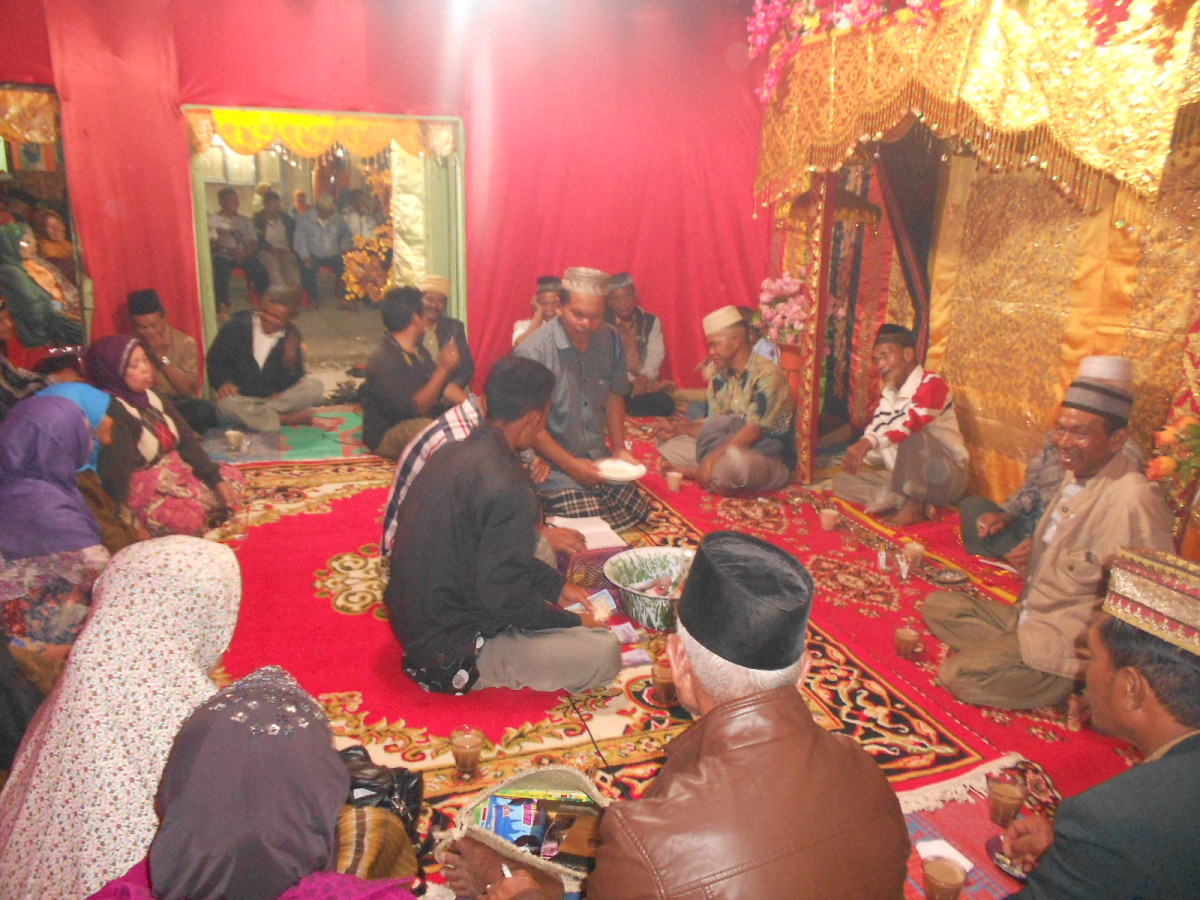
Martahi (North Sumatra)
Martahi tradition is a cultural practice observed by
parents preparing for their child's wedding in North
Sumatra, Indonesia. It involves inviting extended family
members and members of the local community to gather,
with the primary aim of raising funds for the impending
wedding expenses. The funds collected during the Martahi
ceremony are traditionally intended to cover the dowry
requested by the bride's family from the groom's family,
a significant aspect of the marriage customs in the
region.
This cultural tradition is not merely a financial
arrangement but also a social event that fosters a sense
of community and shared responsibility. The act of
inviting relatives and community members to participate
in Martahi is a testament to the close-knit nature of
North Sumatran communities and their commitment to
supporting one another during life's significant
milestones. The ceremony reflects the collective effort
to ensure that a couple embarking on married life
receives the necessary financial backing from their
immediate social circles.
The Martahi tradition is deeply embedded in the cultural
fabric of North Sumatra, offering a unique perspective
into the dynamics of marriage customs in the region. The
ceremony is characterized by vibrant festivities,
symbolizing not only the financial support for the
upcoming wedding but also the communal bonds that
strengthen during such occasions. Through Martahi, the
people of North Sumatra not only celebrate the union of
two individuals but also uphold the cultural practices
that define their societal values and
interconnectedness.
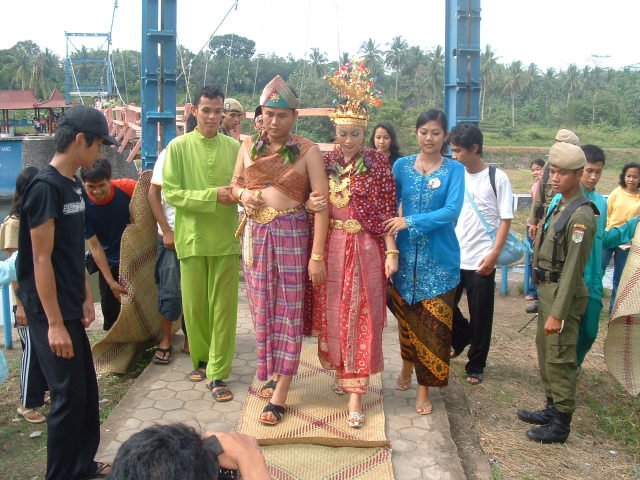
Mandi Kasai (South Sumatra)
The pre-wedding tradition observed by the residents of
Lubuklinggau is known as Mandi Kasai. The Mandi Kasai
ritual involves bathing the soon-to-be-married couple in
a river, surrounded by their friends and relatives. This
traditional practice carries two primary meanings.
Firstly, it serves as a symbolic gesture that signifies
the transition of the prospective bride and groom from
their youth to the married phase of their lives. The act
of bathing in the river holds a profound significance,
symbolizing the cleansing of the past and the
embarkation on a new chapter marked by marital
commitment.
Mandi Kasai is more than just a symbolic ritual; it is a
communal event that reinforces the bonds within
Lubuklinggau's community. The presence of friends and
relatives during the ceremony highlights the collective
nature of celebrating significant life events. The
ritual, while intimate, becomes a shared experience that
resonates with the values of togetherness and support
that characterize South Sumatran communities. It not
only marks the beginning of a new marital journey for
the couple but also strengthens the connections within
the community.
This pre-wedding tradition is a cultural testimony to
the significance attached to the rites of passage in
Lubuklinggau. As the couple bathes in the river during
Mandi Kasai, they not only partake in a tradition that
symbolizes transition and purification but also
contribute to the preservation of the cultural heritage
of South Sumatra. Mandi Kasai, with its cultural depth
and communal essence, embodies the richness of
Lubuklinggau's traditions and underlines the importance
of shared cultural practices in shaping the fabric of
community life.
Sulawesi Batik
Each batik piece is a masterpiece, reflecting significant cultural and social importance in Sulawesi, often used in ceremonies, celebrations, and daily wear, symbolizing the island's unique cultural identity.
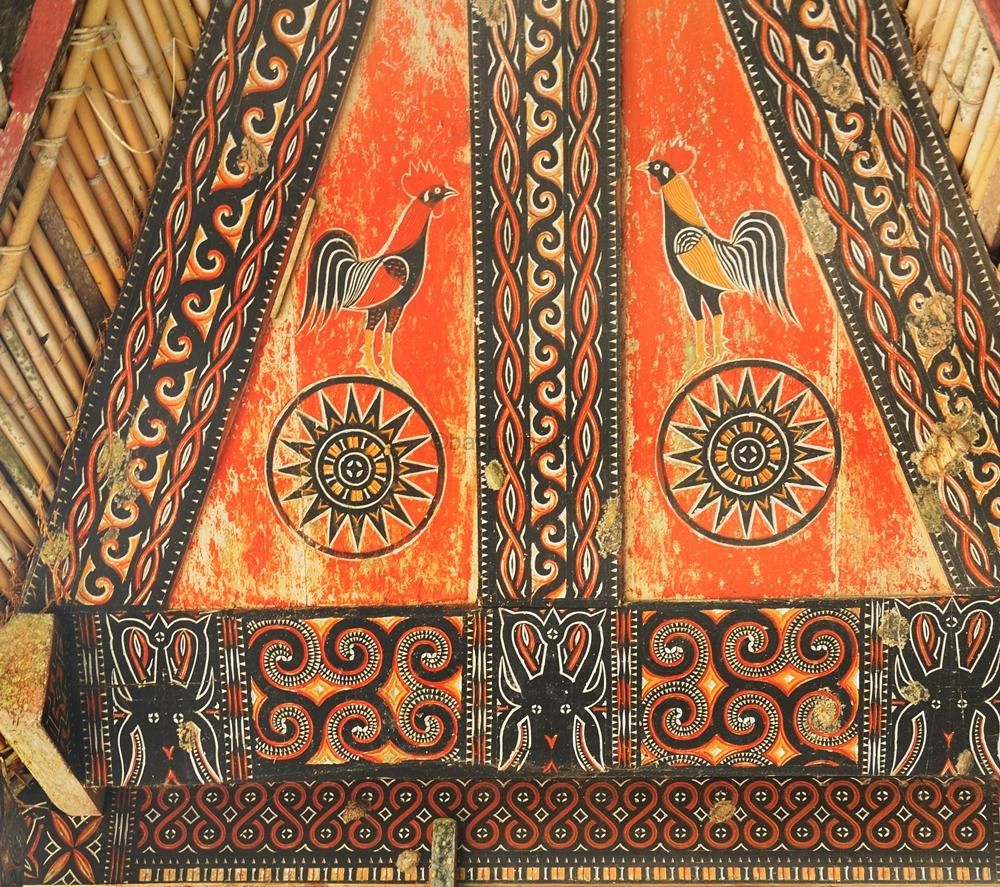
Tongkonan
(South Sulawesi)
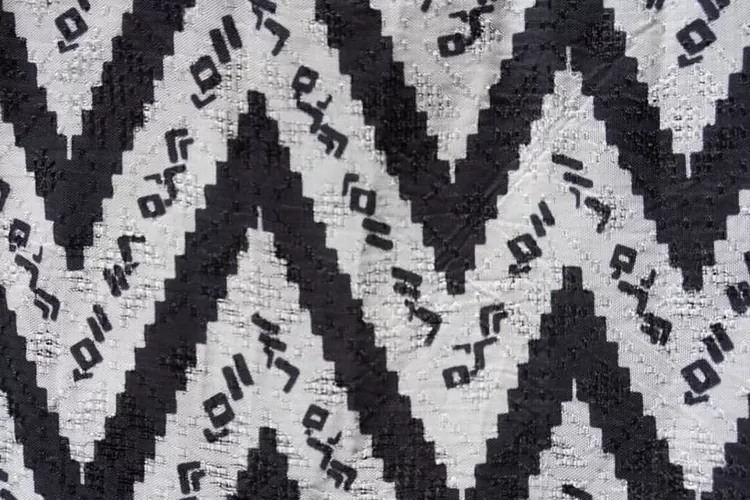
Lontara
(South Sulawesi)
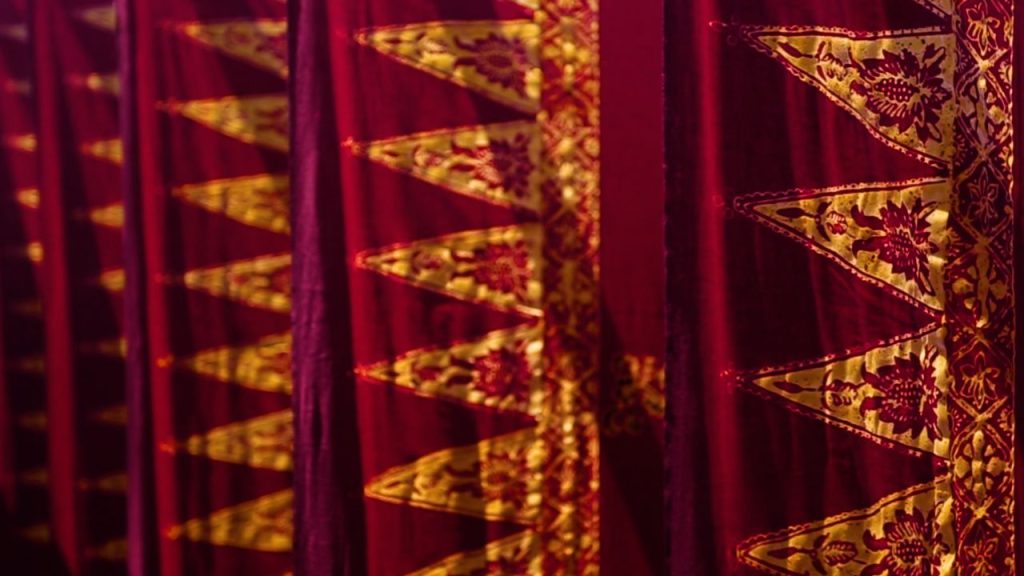
Kabasaran
(North Sulawesi)
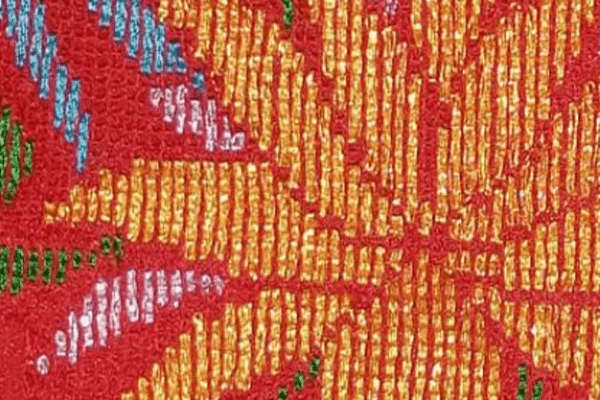
Karawo
(North Sulawesi)
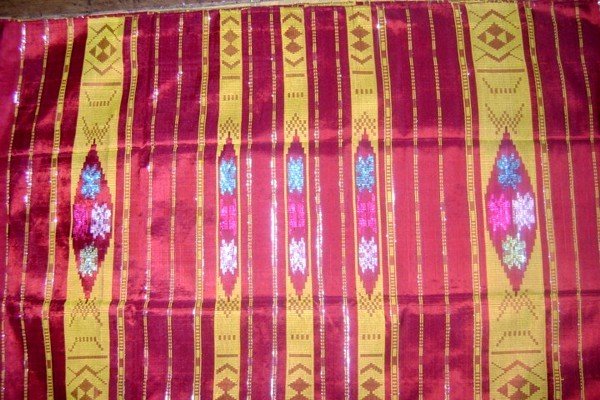
Lipaq Sabe
(West Sulawesi)
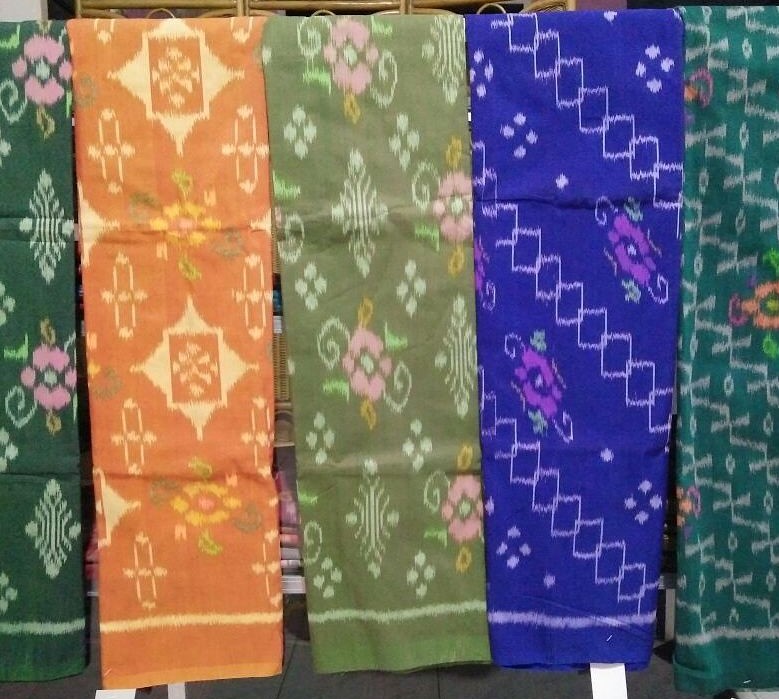
Bomba
(Central Sulawesi)
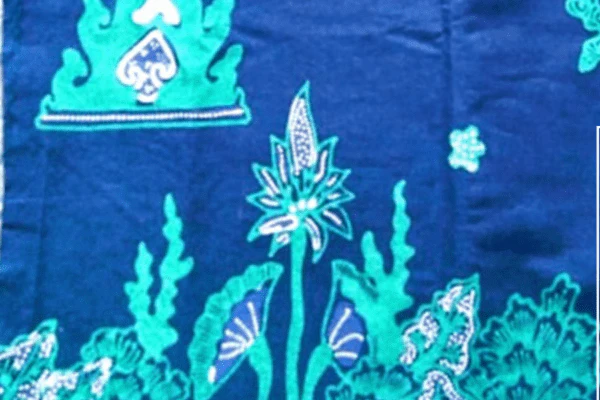
Wakatobi
(Southeast Sulawesi)
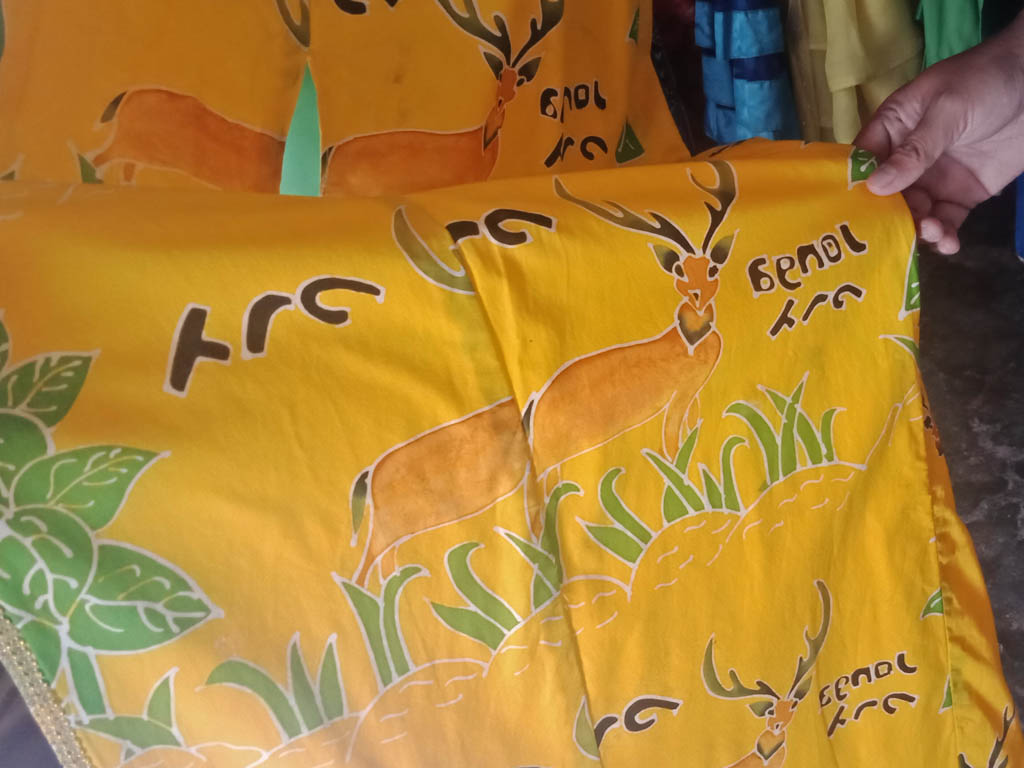
Pajonga
(South Sulawesi)
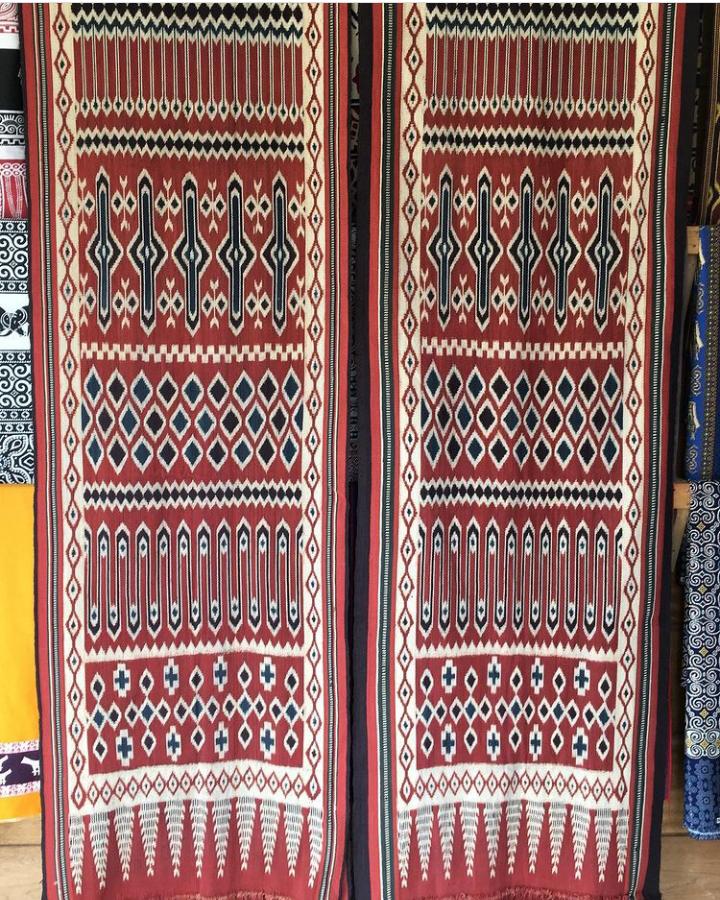
Rongkong
(South Sulawesi)
Traditional Dances From Sulawesi
Indonesia is a country known for its diverse and rich culture, where every ethnic group has its own captivating traditional dance. Sulawesi, an island known about their cultural history that hosts a variety of traditional dances. Among these, Sulawesi dance forms are especially noteworthy for their grace and intricacy.
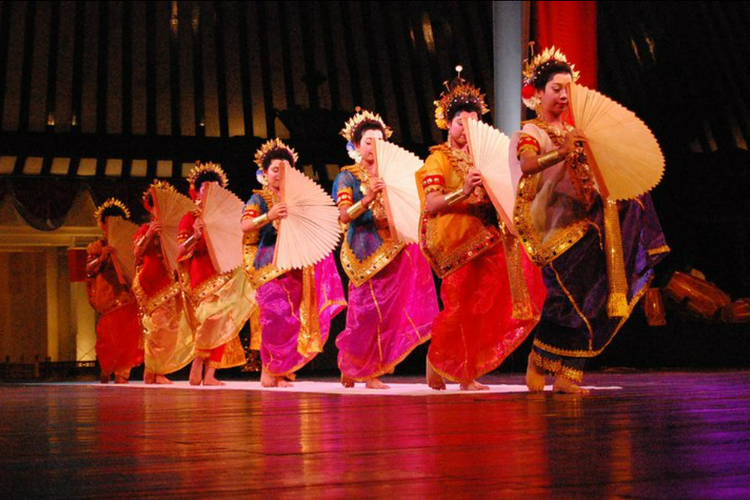
Kipas Pakarena, Makassar (South Sulawesi)
The Kipas Pakarena, originating from South Sulawesi,
Indonesia, holds a significant cultural status and is
considered an icon of the region. According to the
Cultural Map of the Ministry of Education and Culture,
among the Makassar community in the past, the Pakarena
dance was performed as a form of worship to the deities.
Over time, the captivating and unique movements of the
Pakarena dance evolved into a form of entertainment.
Typically featuring four dancers, the Pakarena dance is
accompanied by traditional musical instruments such as
the gandrang and puik-puik. The choreography of the four
female dancers carries profound philosophical meanings,
narrating tales of life. The dance movements symbolize
the loyalty and obedience of Gowa women to their
husbands and men in general. Each movement pattern in
the dance carries its own significance, such as the
clockwise rotation of the dancers, reflecting the
cyclical nature of human life.
The Kipas Pakarena encapsulates the rich cultural
heritage of South Sulawesi, portraying not only a form
of artistic expression but also serving as a visual
representation of the values and traditions deeply
ingrained in the local community. The dance's transition
from a religious ritual to a source of entertainment
underscores its cultural dynamism, preserving its
historical roots while adapting to contemporary
contexts. As a living art form, Kipas Pakarena continues
to enchant audiences with its mesmerizing movements and
cultural significance, contributing to the vibrant
tapestry of Indonesia's traditional performing arts.
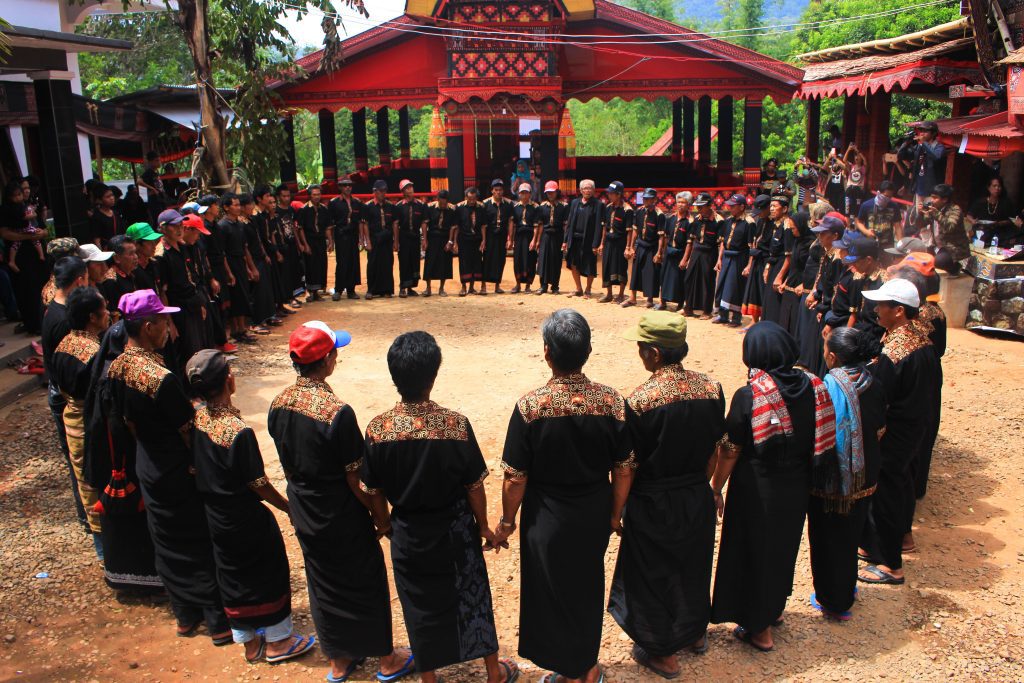
Ma'badong, Toraja (South Sulawesi)
Tari Ma'badong is a dance performed to entertain the
family of the deceased. This dance can be executed by
family members, friends, neighbors, or other individuals
associated with the departed. The Badong dancer, or
pa'badong, engages in intricate movements involving the
entire body, from swaying shoulders to synchronized
swings of both arms forward and backward.
The participants, known as pa'badong, perform this dance
in a circular formation, interlocking their pinky
fingers as they hold onto each other. Typically, the
pa'badong consists of middle-aged men and women, led by
Ambe' Badong (the male leader) and Indo' Badong (the
female leader). The choreography embodies a sense of
unity and communal support, symbolized by the
interconnectedness of the dancers.
Ma'badong is a cultural expression deeply rooted in
South Sulawesi, Indonesia, serving as a poignant display
of solidarity and empathy within the community. The
circular formation represents the continuous cycle of
life and death, emphasizing the interconnectedness of
individuals even in the face of loss. The dance not only
provides a source of solace and distraction during times
of mourning but also reflects the resilience and
strength of the community in coming together to share
the burden of grief. As a traditional dance, Ma'badong
serves as a powerful testament to the cultural practices
that bind communities and offer a unique perspective on
how different societies cope with the inevitability of
mortality.
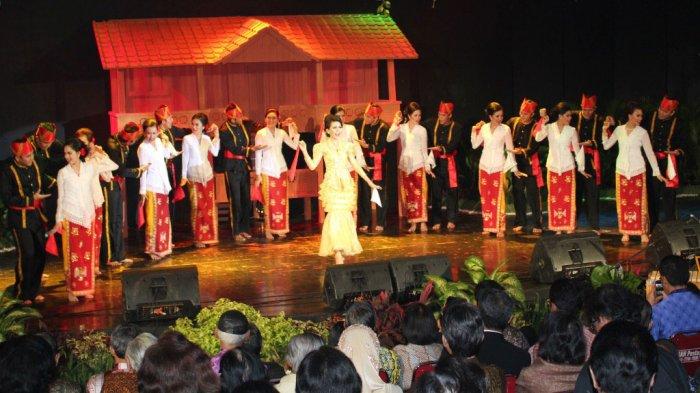
Mahambak, Bantik (North Sulawesi)
Mahambak, a traditional dance hailing from North
Sulawesi, Indonesia, is a captivating cultural
expression that embodies the spirit and heritage of the
Minahasa people. This dance is often performed during
special occasions such as celebrations, ceremonies, and
cultural events. Characterized by its vibrant and
energetic movements, Mahambak serves as a testament to
the rich artistic traditions of the region.
The dance involves a dynamic interplay of graceful
footwork, intricate hand gestures, and colorful
traditional costumes. The performers, adorned in
elaborate attire, move rhythmically to the beat of
traditional musical instruments, creating a visually
stunning and mesmerizing spectacle. Mahambak not only
showcases the artistic prowess of the dancers but also
reflects the cultural identity and historical narratives
of the Minahasa community.
Rooted in the cultural fabric of North Sulawesi,
Mahambak is more than just a form of entertainment; it
is a living heritage that connects the present
generation with the traditions of their ancestors. The
dance often incorporates storytelling elements,
conveying narratives related to local folklore, rituals,
and historical events. As a communal celebration of
identity and tradition, Mahambak stands as a symbol of
the resilience and continuity of North Sulawesi's
cultural legacy, captivating audiences and fostering a
sense of pride among the Minahasa people.
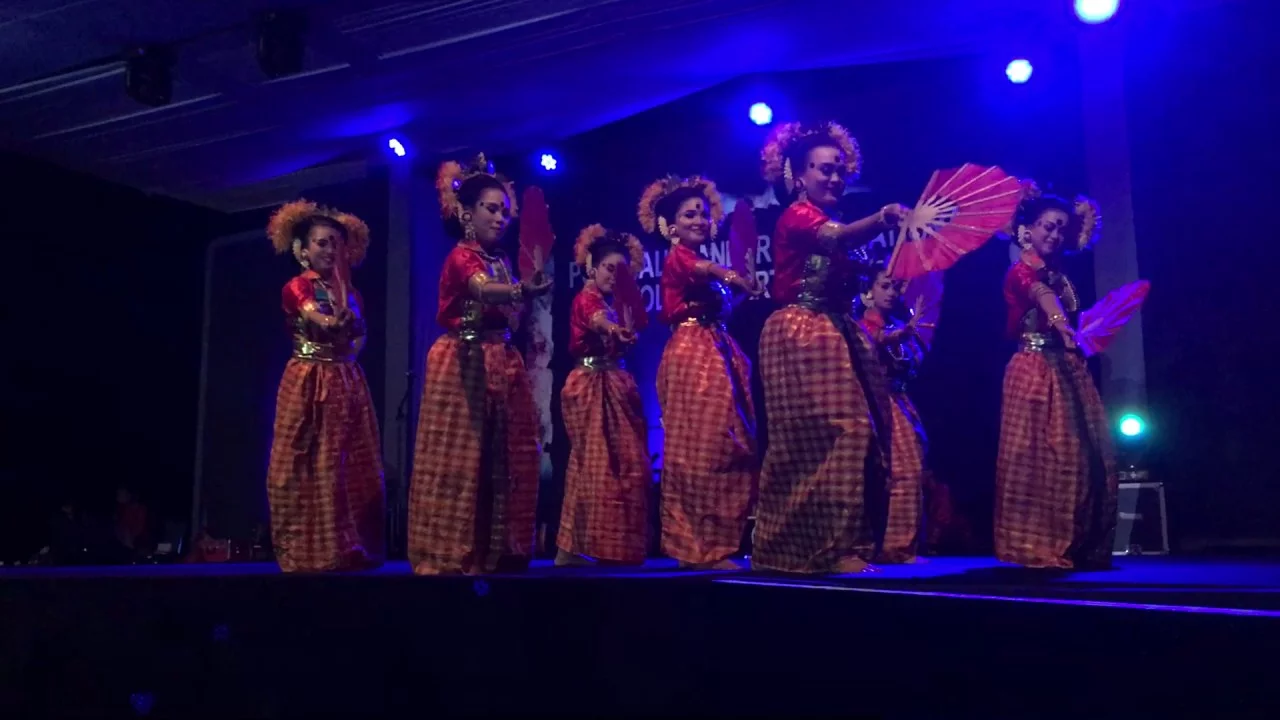
Bamba Manurung, Mamuju (West Sulawesi)
The Bamba Manurung dance, a traditional dance
originating from West Sulawesi, Indonesia, is typically
performed during traditional ceremonies and cultural
festivities in Mamuju. It is a captivating cultural
expression that takes place in the presence of esteemed
figures such as traditional leaders and community
elders. The dance holds a significant role in local
customs, serving as a form of artistic homage to the
cultural heritage and traditions of the Mamuju
community.
Bamba Manurung showcases a unique blend of rhythmic
movements, traditional costumes, and symbolic gestures.
Dancers often engage in intricate footwork and hand
movements, creating a visually enchanting performance
that reflects the richness of West Sulawesi's cultural
tapestry. The dance is not merely a form of
entertainment; it serves as a ceremonial expression,
connecting participants and spectators alike to the
deep-rooted traditions and values of Mamuju.
This dance is a testament to the cultural pride and
identity of the Mamuju people. It is a means of
preserving and transmitting cultural knowledge from one
generation to the next. The ceremonial context of Bamba
Manurung emphasizes its role as a communal celebration,
fostering a sense of unity and shared heritage among the
participants. As the dance unfolds in the presence of
traditional leaders and community elders, it reinforces
the cultural continuity and significance of the Bamba
Manurung dance in the collective memory of West
Sulawesi.
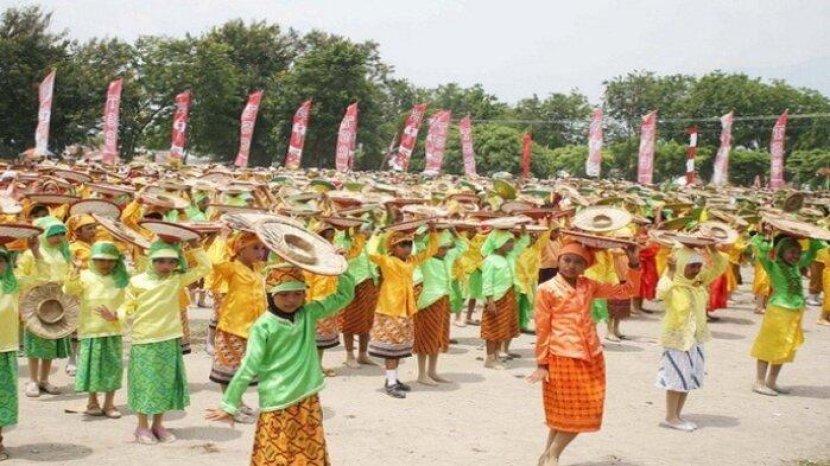
Dopalak (Central Sulawesi)
The Dopalak dance, a traditional dance native to Central
Sulawesi, Indonesia, is typically performed by a group
of seven female dancers. Among them, one assumes the
role of the "palima," the leader or head dancer of the
traditional dance ensemble. The unique choreography of
Dopalak involves synchronized movements and vibrant
expressions, showcasing the artistic prowess and
cultural significance of this traditional dance form in
Central Sulawesi.
The inclusion of seven female dancers adds a symbolic
layer to the performance, as the number holds cultural
and ritualistic significance in many traditional
Indonesian dances. Each dancer contributes to the
collective beauty of the dance, forming a harmonious
representation of cultural heritage. The palima, as the
lead dancer, plays a pivotal role in guiding the
ensemble through the intricate choreography, embodying
the grace and skill required to execute the movements
seamlessly.
Dopalak is not only a visual spectacle but also a
cultural treasure that reflects the stories, values, and
traditions of Central Sulawesi. The dance serves as a
living testament to the region's rich cultural heritage,
with each movement telling a story and preserving the
essence of Central Sulawesi's cultural identity. As the
dancers perform in unison, the Dopalak dance becomes a
dynamic celebration of tradition, uniting the performers
and spectators in a shared appreciation for the artistry
and cultural depth embedded in this captivating dance
form.
Traditional Musical Instruments From Sulawesi
In Sulawesi, Indonesia, traditional musical instruments are essential in shaping the island's distinct cultural identity. Beyond entertainment, the music produced by these instruments plays a vital role in daily life, marking its presence in ceremonies, celebrations, and rituals. Serving as living symbols of Sulawesi's diverse cultural heritage, these traditional instruments not only connect the present generation to their ancestral roots but also contribute significantly to preserving the island's rich traditions. This fosters a deep sense of identity and pride among the diverse communities that inhabit Sulawesi.
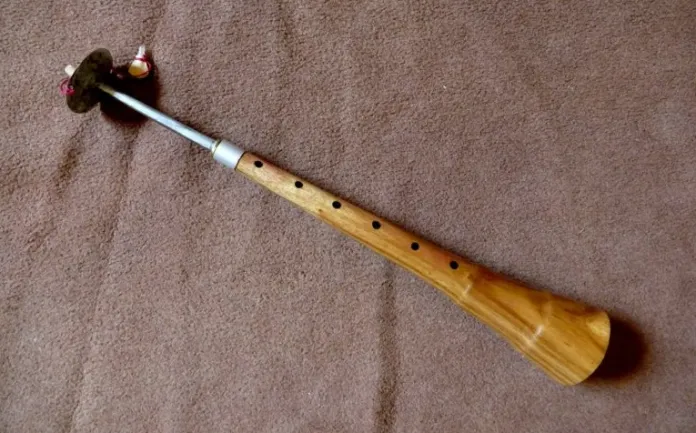
Pui Pui (South Sulawesi)
Pui-pui, also known as puik-puik, is a distinctive
traditional musical instrument hailing from South
Sulawesi, Indonesia. Played by blowing air into it, the
pui-pui is commonly utilized to accompany various
artistic performances and traditional ceremonies in the
South Sulawesi region. Resembling a cone-shaped
clarinet, this musical instrument is crafted from metal
sheets and pieces of lontar palm leaves. The metal is
placed at the base of the pui-pui, while the conical
section is made of wood. Along the wooden structure,
there are strategically placed holes that produce
different tones when played. The pui-pui is equipped
with a component known as "kallode," which enhances the
resonance of the tones, contributing to a more vibrant
and melodious sound. Skilled players must handle the
instrument with care to produce harmonious tunes.
The utilization of pui-pui in South Sulawesi is deeply
ingrained in the cultural fabric of the region. Beyond
its role as a musical instrument, the pui-pui is a
symbol of the rich heritage and traditions of South
Sulawesi. Its presence in various artistic events and
customary ceremonies underscores its cultural
significance and the integral part it plays in
connecting the community to its roots. The unique
construction of the pui-pui, combining metal and wood
with meticulous attention to detail, reflects the
craftsmanship and artistic ingenuity of the local
culture.
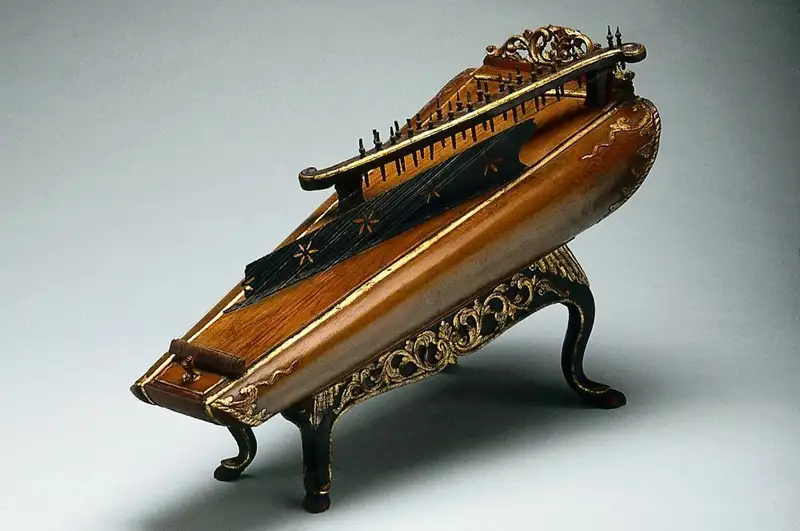
Kecaping (South Sulawesi)
Kecaping, a traditional musical instrument from South
Sulawesi, Indonesia, is plucked to produce melodic
tones. It is commonly used to accompany ancient
storytelling or traditional dances. Legend has it that a
sailor's inspiration from the sounds of sail ropes and
vibrations at sea led to the creation of kecaping,
initially using an oar with attached strings. Evolving
into a boat-shaped design made of durable wood and wire
strings, kecaping is played by pakkacaping. Often
utilized alongside other traditional instruments like
kendang and suling, kecaping is a cultural symbol,
weaving historical narratives and reflecting the
region's maritime heritage.
The cultural and historical significance of kecaping in
South Sulawesi is underscored by its maritime-inspired
origin and its role as a vessel for storytelling. The
boat-shaped design pays homage to seafaring life,
highlighting the fusion of daily experiences into
artistic expression. As pakkacaping skillfully pluck the
strings, kecaping becomes a conduit for recounting tales
of valor, creating an auditory landscape resonant with
the history and heritage of South Sulawesi. The enduring
presence of kecaping in cultural performances serves as
a testament to the region's rich traditions and the
artistic ingenuity inspired by the everyday lives of its
people.
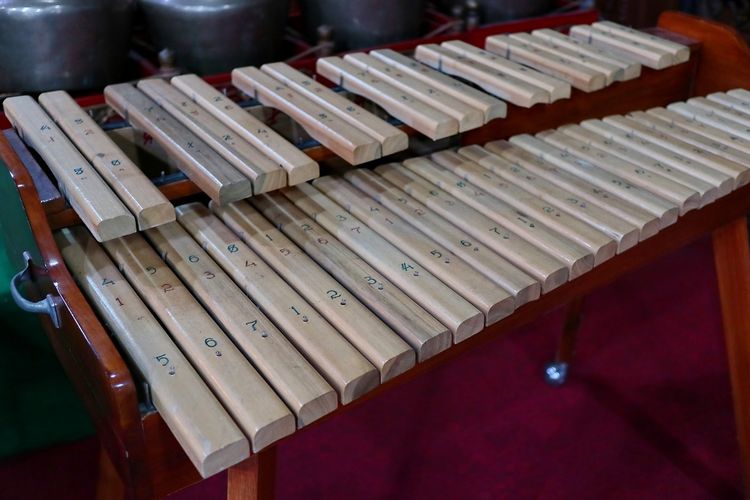
Kolintang (North Sulawesi)
Kolintang, a traditional musical instrument originating
from North Sulawesi's Minahasa region in Indonesia,
holds a distinctive place in the cultural heritage of
the area. Comprising a set of tuned gongs laid
horizontally on a rack, the Kolintang produces melodious
tones when struck with mallets. Typically played in
ensembles, the Kolintang has become synonymous with
various Minahasan ceremonies, rituals, and cultural
events, weaving itself into the fabric of community
life. Each gong in the Kolintang set represents a
specific pitch, and the collective harmonies create
intricate and soul-stirring compositions that embody the
unique musical identity of North Sulawesi.
Crafted with meticulous attention to detail, the
Kolintang is often made from materials such as wood,
bamboo, or brass, reflecting the local craftsmanship and
artistic traditions. Beyond its musical significance,
the Kolintang serves as a cultural symbol, connecting
generations by preserving and transmitting the rich
Minahasan traditions. Its presence in celebratory
events, communal gatherings, and ceremonies not only
provides aural pleasure but also reinforces a sense of
identity and pride among the people of North Sulawesi,
fostering a deep appreciation for the cultural legacy
embedded in the resonant tones of the Kolintang.
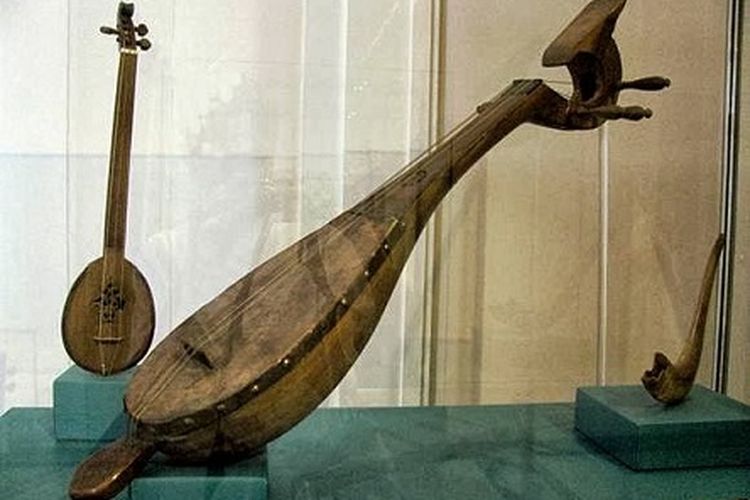
Lado-Lado (Southeast Sulawesi)
Ladolado is a traditional plucked musical instrument
hailing from Southeast Sulawesi, Indonesia, with its
form resembling a combination of a guitar and a gambus.
As reported by the Ministry of Education and Culture of
the Republic of Indonesia, ladolado is an integral part
of the region's rich cultural heritage. Its design,
reminiscent of both a guitar and a gambus, signifies a
harmonious fusion of traditional and cultural elements
that have been passed down through generations.
Crafted with precision and care, ladolado typically
features strings stretched across a resonating body,
allowing for the production of vibrant and resonant
tones. The strings are played by plucking, producing
melodies that are characteristic of the local music
traditions in Southeast Sulawesi. Beyond its musical
functionality, ladolado serves as a cultural emblem,
embodying the artistic craftsmanship and traditional
values of the region. Its presence in various cultural
events, festivities, and rituals not only contributes to
the auditory richness of the local heritage but also
reinforces a sense of identity and continuity,
connecting the present generation with the enduring
traditions of Southeast Sulawesi.
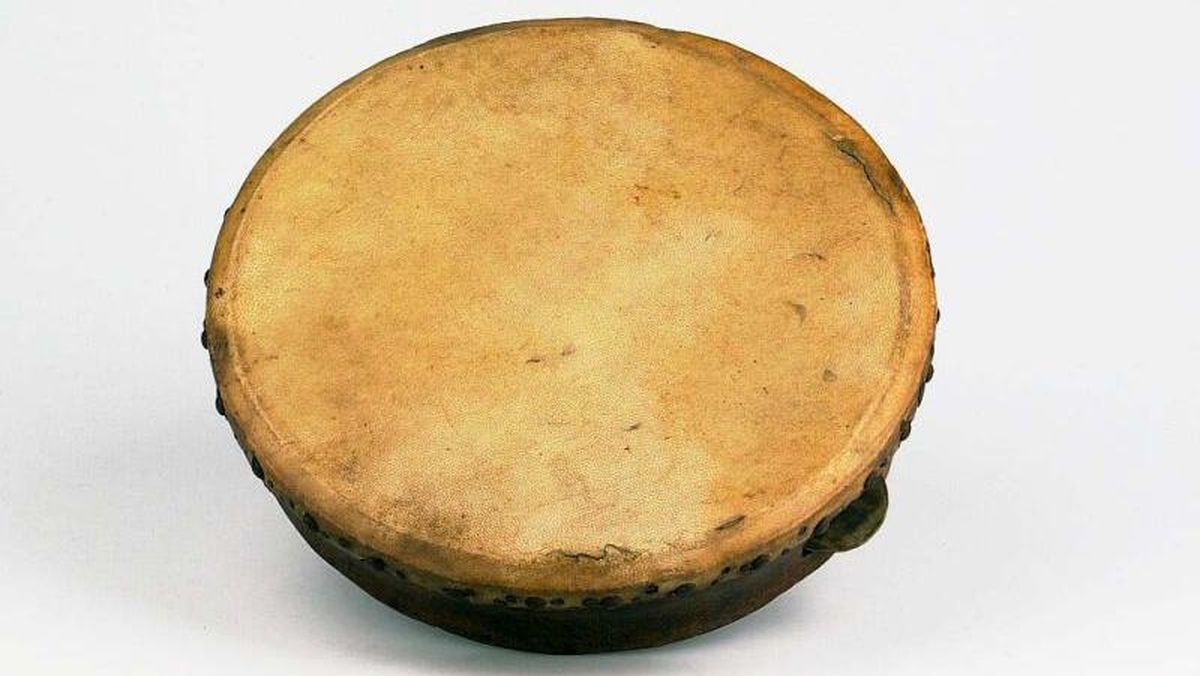
Burdah (South Sulawesi)
Burdah is a traditional musical instrument deeply rooted
in the cultural tapestry of South Sulawesi, Indonesia.
Originating from the Bugis and Makassar communities,
Burdah is a percussive instrument with a distinctive
cylindrical shape, often crafted from wood or bamboo.
Its surface is intricately adorned with intricate
carvings and designs, reflecting the skilled
craftsmanship of the local artisans. Played by striking
it with a stick or hand, Burdah emits a resonant and
rhythmic sound, adding a distinct layer to the
traditional music ensembles in the region.
This traditional instrument is not only a source of
auditory delight but also carries significant cultural
value. Historically, Burdah has been an integral part of
various ceremonies, celebrations, and traditional
performances, contributing to the vibrant cultural scene
in South Sulawesi. Its presence serves as a symbol of
community identity, connecting individuals to their
heritage and fostering a sense of pride in the rich
traditions that have been passed down through
generations. As Burdah continues to be cherished and
played in diverse cultural contexts, it remains a
testament to the enduring legacy of South Sulawesi's
musical heritage.
Traditional House In Sulawesi
Traditional houses in Sulawesi embody a harmonious blend of indigenous design and historical influences, characterized by steep roofs, intricate wooden carvings, and an organic integration with the natural environment. Reflecting a deep connection to nature, these dwellings serve as powerful symbols of Sulawesi's cultural identity, encapsulating traditions and spiritual beliefs. Beyond their architectural significance, these houses stand as guardians of the island's rich heritage, ensuring the preservation of cultural legacy for future generations through their unique and enduring designs.
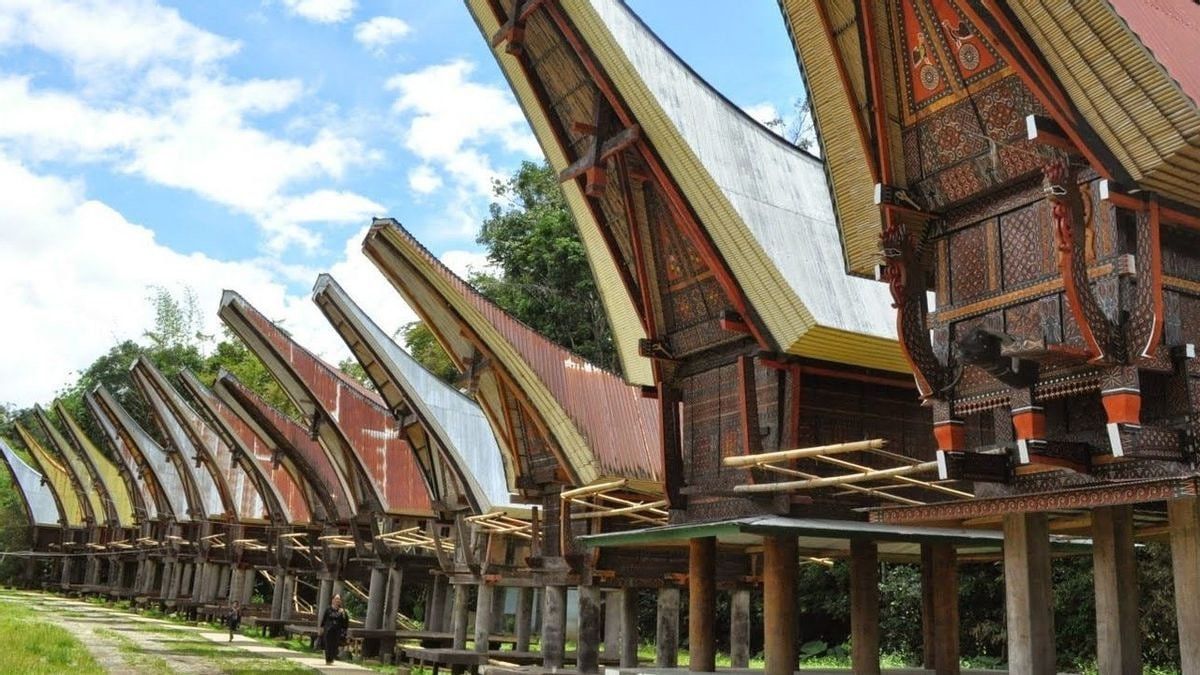
Tongkonan House (South Sulawesi)
The traditional houses of the Toraja people in South
Sulawesi, Indonesia, known as "tongkonan," are
architectural gems that embody the cultural richness and
spiritual beliefs of the community. Characterized by
boat-shaped roofs curving gracefully at each end,
resembling the upturned prow of a ship, these houses
showcase intricate carvings and elevated stilt
construction. The tongkonan serves not only as a
residence but also as a symbol of the family's social
status and a sacred space for significant life events,
including births, weddings, and funerals. The elaborate
carvings on the exterior tell ancestral stories,
emphasizing the deep connection between the Toraja
people and their cultural heritage, while the
ritualistic ceremonies associated with these houses
underscore their significance as spaces that bridge the
material and spiritual realms.
Despite modern challenges, the preservation of Toraja
traditional houses is crucial for maintaining the
community's identity and cultural legacy. Efforts to
safeguard these structures involve a delicate balance
between conservation and adaptation to contemporary
needs. As living symbols of resilience and cultural
continuity, the tongkonan not only narrate the ancestral
stories of the Toraja people but also stand as
testaments to their ability to adapt and preserve their
unique heritage in the face of evolving times.
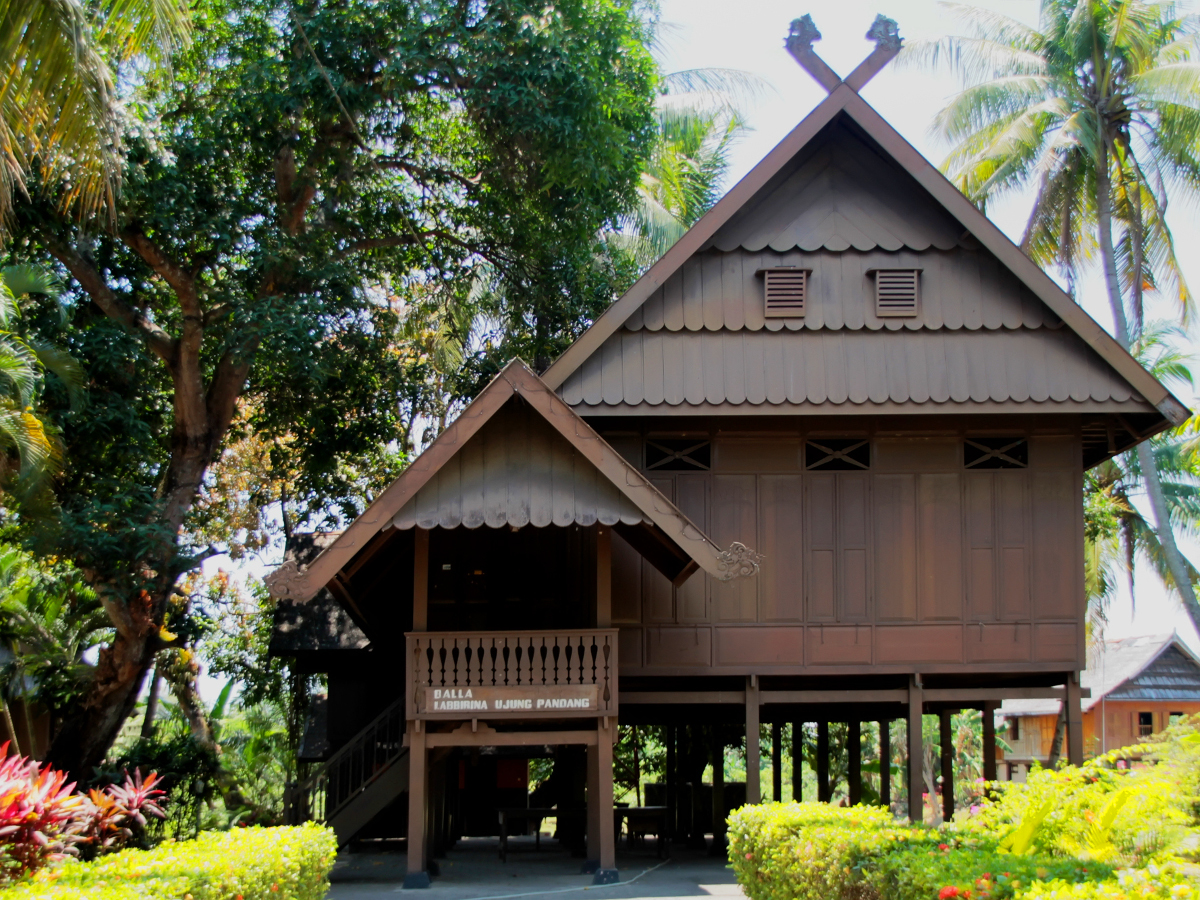
Bugis House (West Sulawesi)
The traditional houses of the Bugis people in West
Sulawesi, Indonesia, reflect a unique architectural
style deeply rooted in the cultural and historical
context of the region. Known as "Rumah Adat Bugis" or
Bugis traditional houses, these structures typically
feature a distinctive boat-shaped roof, emphasizing the
Bugis people's strong maritime traditions. Constructed
from natural materials such as wood and bamboo, these
houses are elevated on stilts to provide protection
against flooding and maintain harmony with the
surrounding environment. The intricately carved facades
and decorative elements showcase the Bugis people's
skilled craftsmanship, with each design often holding
symbolic significance related to their spiritual beliefs
and cultural identity.
Beyond their architectural allure, Bugis traditional
houses play a pivotal role in the community's social and
ceremonial life. These houses are central to various
rites of passage, including weddings, funerals, and
community gatherings. The interior spaces are often
divided into specific areas, each designated for various
purposes, reflecting the Bugis people's strong sense of
communal living. The Bugis traditional house stands as a
testament to the community's enduring connection to
maritime heritage, harmonious coexistence with nature,
and the preservation of cultural traditions that
continue to thrive in West Sulawesi.
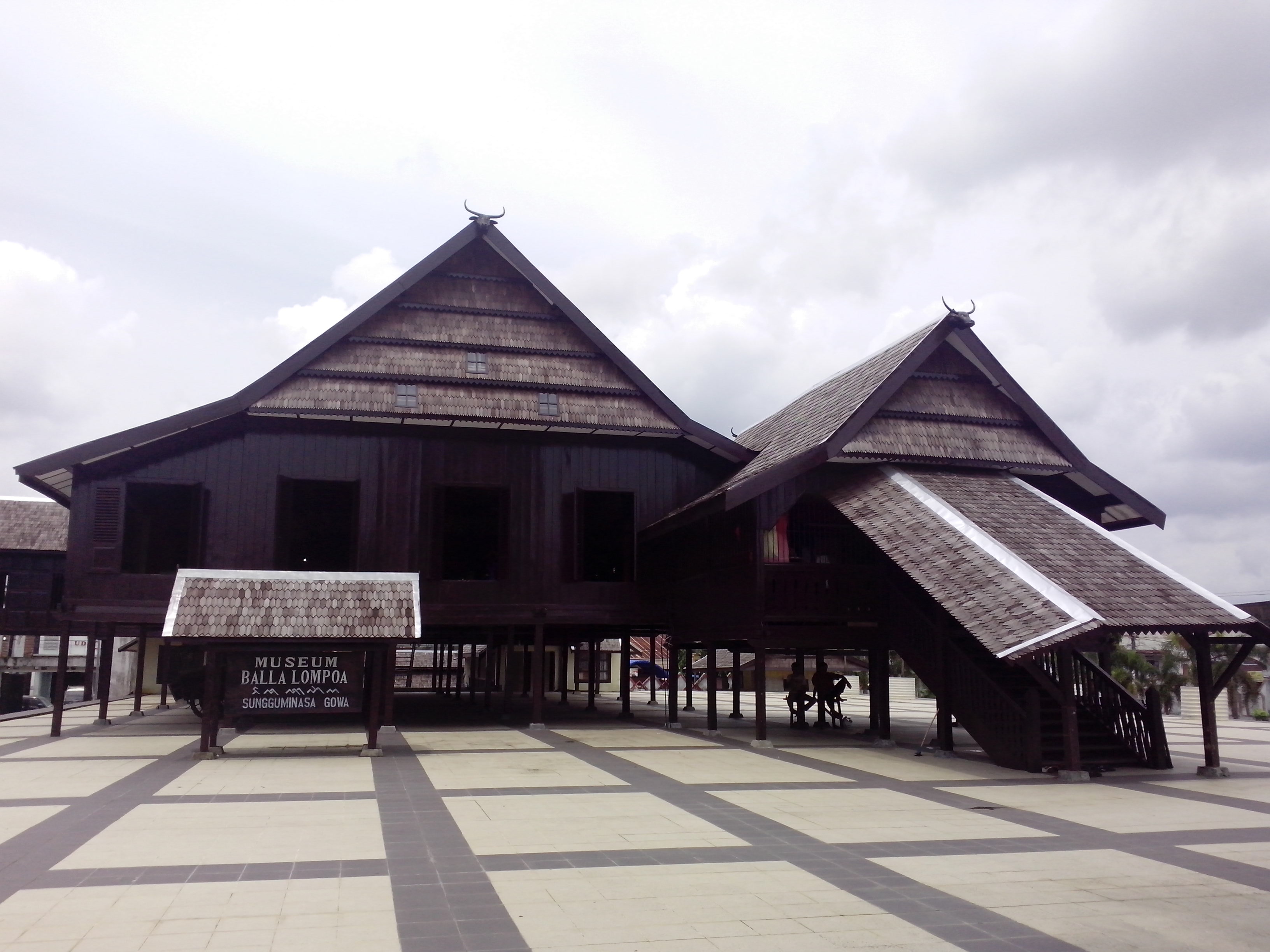
Balla'Lompoa (South Sulawesi)
The Balla Lompoa, a traditional house in South Sulawesi,
Indonesia, stands as a remarkable architectural
testament to the rich history and cultural heritage of
the region. Often referred to as the "House of Lompoa,"
it holds particular significance in Bugis culture. The
design of Balla Lompoa typically features a steep,
saddle-shaped roof, supported by intricately carved
wooden pillars and walls adorned with traditional Bugis
motifs. Constructed from locally sourced materials such
as hardwood and bamboo, the house is raised on stilts,
not only reflecting the Bugis people's environmental
awareness but also providing practical advantages in
flood-prone areas.
Beyond its architectural magnificence, Balla Lompoa
plays a crucial role in Bugis society, serving as a
focal point for various ceremonies and events. It is
often utilized for official meetings, cultural
performances, and significant family gatherings. The
interior of Balla Lompoa is compartmentalized to cater
to different functions, showcasing the Bugis people's
emphasis on communal living and cultural identity. As a
living representation of Bugis tradition and
hospitality, Balla Lompoa continues to be a source of
pride for the community, fostering a strong sense of
cultural continuity and connection to the region's
storied past.
Traditional Activites
Sulawesi captivates with a diverse range of activities that seamlessly weave adventure and cultural exploration. Travelers can embark on treks through verdant landscapes, explore bustling markets, and cruise along picturesque coastal areas. Immerse in indigenous ceremonies, visit traditional villages, and savor authentic local cuisine to gain profound insights into Sulawesi's rich cultural tapestry. The island's allure lies in its ability to offer a harmonious blend of natural wonders and cultural revelations, ensuring that every visitor departs with cherished memories of an enchanting Indonesian destination.
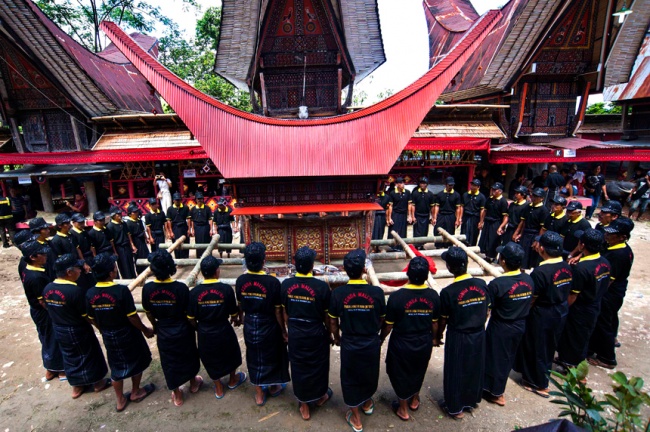
Rambu Solo (South Sulawesi)
Rambu Solo is a traditional funeral ritual of the Toraja
ethnic group in South Sulawesi, Indonesia. This ceremony
is a profound expression of reverence for the departed,
designed to honor those who have passed away. The
primary objective of the Rambu Solo ceremony is to guide
the deceased to the spirit realm. In the worldview of
the Toraja people, the departed are considered truly
deceased only when the entire process of the Rambu Solo
ceremony has been meticulously executed.
The Rambu Solo ceremony is deeply rooted in the cultural
beliefs of the Toraja community. It is not merely a
funeral rite but an elaborate series of rituals that
include specific stages, such as cleaning and dressing
the deceased, elaborate processions, and the sacrifice
of buffaloes or pigs. These rituals are believed to
facilitate the smooth transition of the departed to the
afterlife. The Toraja people hold a profound conviction
that the completion of the Rambu Solo ceremony is
essential for the deceased to find peace and continuity
in the spiritual realm.
For the Toraja people, Rambu Solo goes beyond being a
customary funeral; it is a manifestation of their
cultural identity, spirituality, and respect for the
cycle of life and death. The rituals involved in Rambu
Solo underscore the intricate interplay between the
earthly and spiritual realms in Toraja culture, creating
a unique and deeply symbolic tradition that binds the
community together. The ceremony not only serves as a
final farewell to the departed but also reinforces the
Toraja people's connection to their cultural heritage,
ensuring that the spiritual journey of the deceased is
conducted in accordance with the revered traditions of
the community.
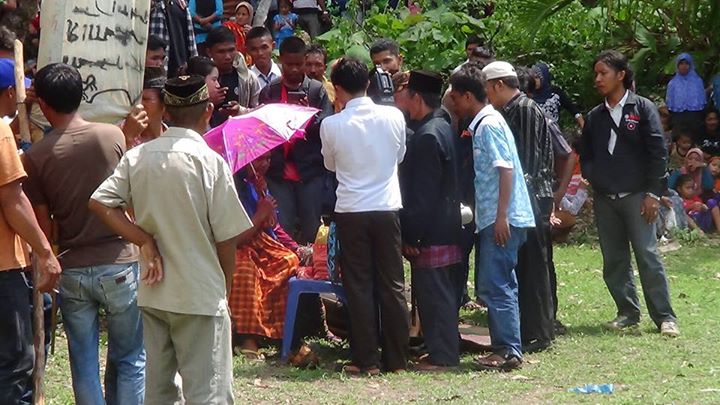
Cakkuriri (West Sulawesi)
Cakkuriri, a traditional ceremony from West Sulawesi,
Indonesia, holds a special place in the cultural
tapestry of the region. This ceremonial event is a
vibrant expression of the local community's spiritual
beliefs and communal bonds. Cakkuriri is often
associated with agricultural practices, marking
significant moments in the farming calendar. The
ceremony is a collective effort, bringing together
community members to participate in various rituals that
seek blessings for a bountiful harvest and the
well-being of the community.
The Cakkuriri ceremony typically involves a series of
traditional dances, music performances, and ritualistic
offerings. Participants wear elaborate traditional
attire, reflecting the colorful and diverse cultural
heritage of West Sulawesi. The rhythmic beats of
traditional instruments and the mesmerizing movements of
the dancers create a lively and joyous atmosphere,
fostering a sense of unity and shared purpose within the
community. The ceremonial rituals are deeply rooted in
animistic beliefs, paying homage to local spirits and
seeking their favor for prosperity and abundance in
agricultural endeavors.
Beyond its spiritual significance, Cakkuriri serves as a
platform for the transmission of cultural knowledge from
one generation to the next. The younger members of the
community actively participate in the ceremony, learning
the intricacies of the rituals, dances, and traditional
practices from their elders. This continuity of cultural
heritage through ceremonies like Cakkuriri ensures that
the rich traditions of West Sulawesi endure, creating a
sense of identity and pride among the local population.
The ceremony becomes a living testament to the
resilience and cultural vibrancy of the community,
celebrating both their spiritual beliefs and the
interconnectedness between humans and the natural world.
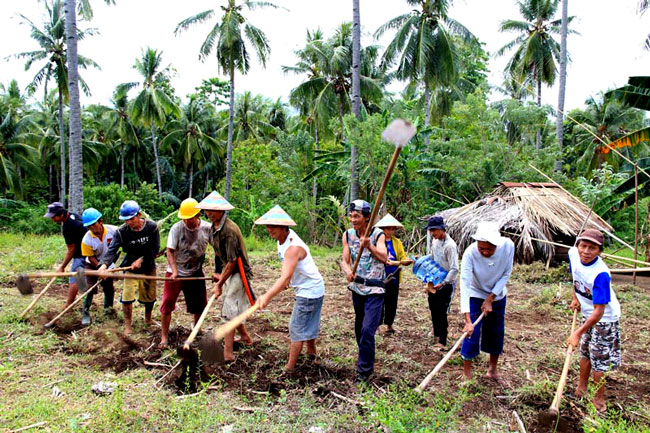
Mapalus (North Sulawesi)
Mapalus, a traditional activity from North Sulawesi,
Indonesia, is a cultural ritual deeply rooted in the
Minahasan community. This ceremonial event is associated
with the construction or renovation of traditional
houses, known as "Tongkonan." Mapalus reflects the
Minahasan people's strong ties to their ancestral
traditions, community spirit, and the enduring
importance of their architectural heritage.
During Mapalus, the community comes together to engage
in various activities that symbolize unity, cooperation,
and respect for cultural customs. The construction or
renovation of a Tongkonan involves intricate rituals,
including the selection of appropriate wood, the
offering of symbolic items, and the involvement of local
craftsmen. The ceremony is accompanied by traditional
dances, music performances, and feasting, creating a
vibrant atmosphere that fosters a sense of camaraderie
and shared cultural identity. Mapalus is not only a
practical endeavor but also a spiritual and communal
experience, reinforcing the Minahasan people's
connection to their roots and their commitment to
preserving their architectural and cultural heritage.
Beyond its immediate cultural significance, Mapalus
plays a pivotal role in sustaining the unique identity
of the Minahasan community. The passing down of
construction techniques, symbolic rituals, and
traditional values during Mapalus ensures the continuity
of the Minahasan cultural legacy. As the community
actively engages in this traditional activity, Mapalus
becomes a dynamic expression of the Minahasan people's
resilience, pride, and commitment to maintaining the
vibrancy of their heritage in the face of modernization.
Papua Batik
Each batik piece is a masterpiece, reflecting significant cultural and social importance in Kalimantan, often used in ceremonies, celebrations, and daily wear, symbolizing the island's unique cultural identity.
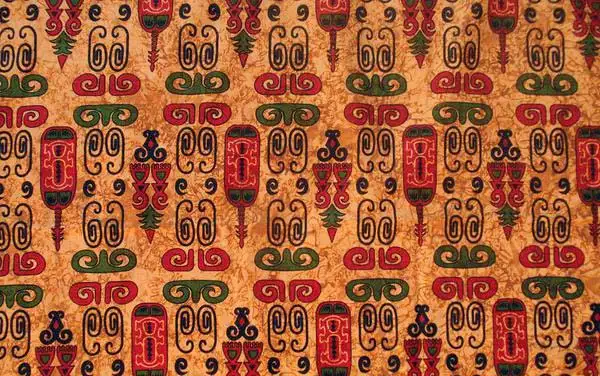
Asmat
(South Papua)
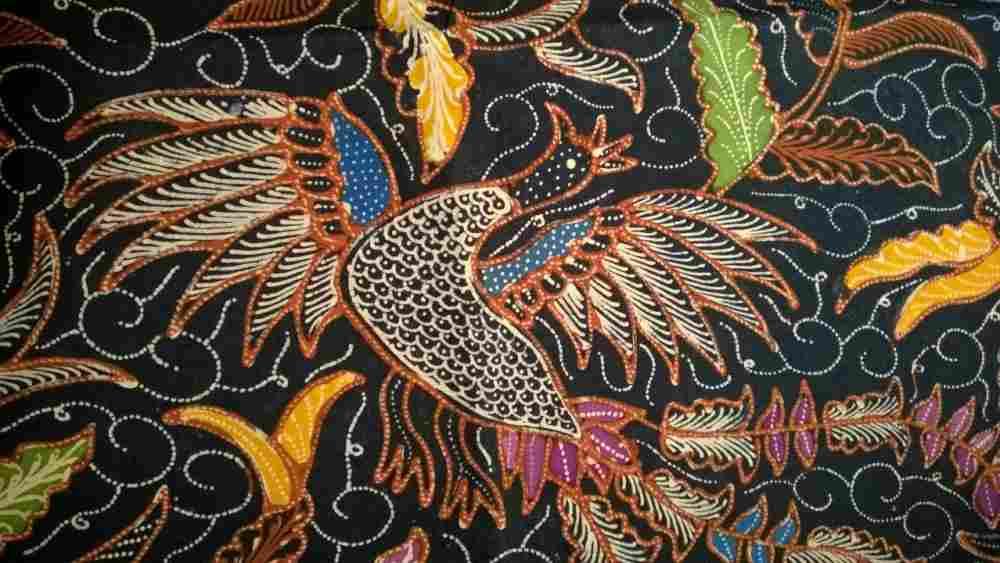
Cenderawasih
(All of Papua)

Sentani
(East Papua)
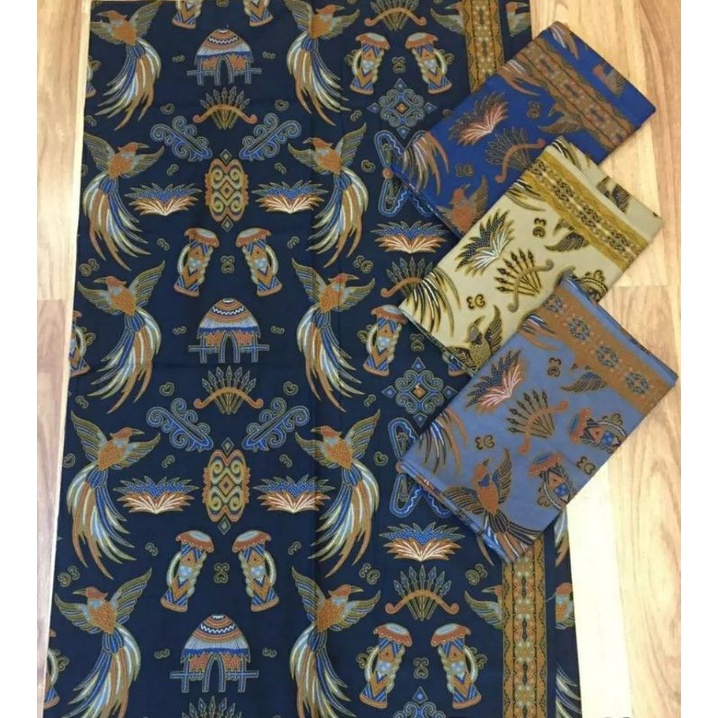
Tifa
(All of Papua)
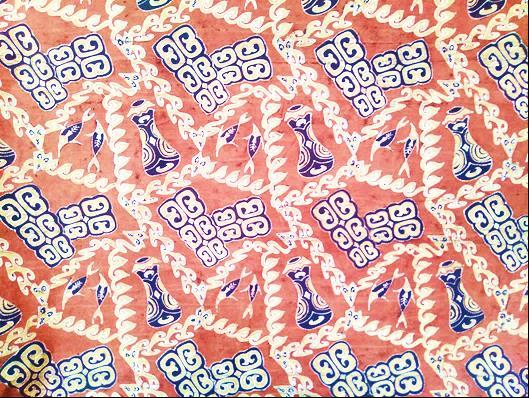
Tambal Ukir
(All of Papua)
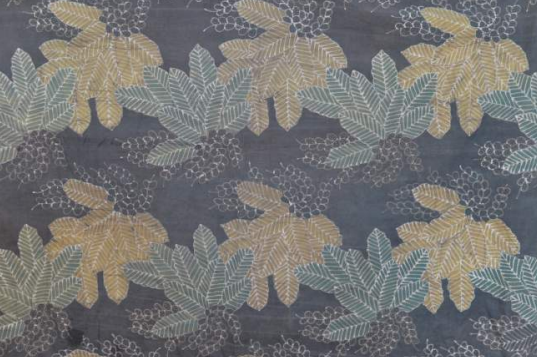
Matoa
(All of Papua)
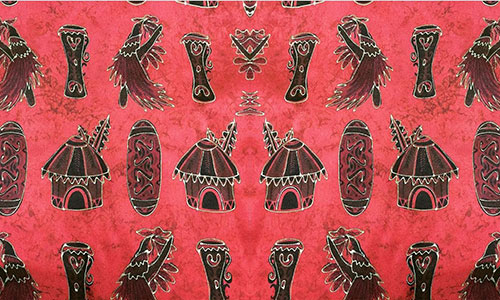
Honai
(Central Papua)
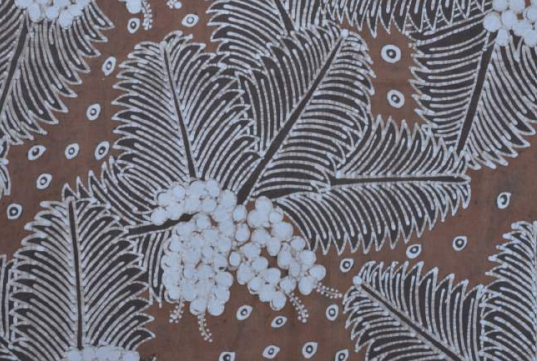
Pinang
(All of Papua)
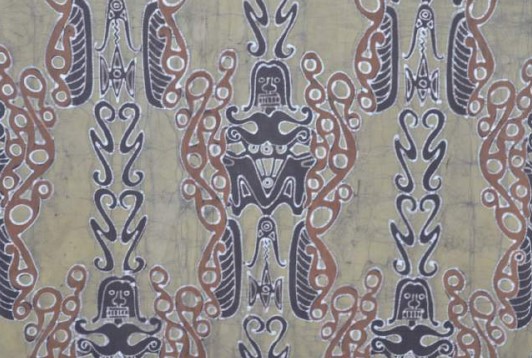
Patung Mbis
(South Papua)
Traditional Dances From Papua
Indonesia is a country known for its diverse and rich culture, where every ethnic group has its own captivating traditional dance. Papua, an island known about their cultural history that hosts a variety of traditional dances. Among these, Papua dance forms are especially noteworthy for their grace and intricacy.
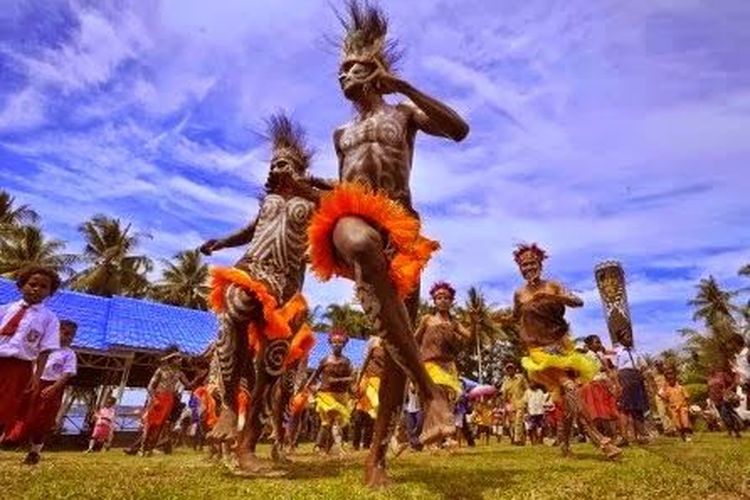
Suanggi, Waropen (West Papua)
The dance Soanggi originates from the coastal region of
Teluk Cendrawasih, in the Waropen Regency of West Papua
Province, Indonesia. The precise origins of Soanggi
dance are not explicitly documented, but it stands as a
vibrant expression of the local community in West Papua,
infused with mystical elements. The dance is deeply
rooted in the cultural fabric of the region, reflecting
the spiritual beliefs and mythologies that have been
passed down through generations.
Soanggi dance is said to trace its roots to a poignant
narrative of a husband abandoned by his wife who fell
victim to an attack by supernatural beings known as
anggi-anggi or soanggi, akin to shape-shifters. In
Javanese culture, these mystical entities are often
referred to as memedi. According to the beliefs held by
the local residents, soanggi represents an evil spirit
that has not found solace in the afterlife, where it
should rightfully belong. Typically, these malevolent
spirits are thought to inhabit the bodies of women,
serving as vessels for their manifestation.
The dance becomes a poignant portrayal of this mystical
tale, capturing the essence of the struggle between good
and evil, life and death. Through intricate movements
and symbolic gestures, the Soanggi dance not only
preserves the cultural heritage of West Papua but also
serves as a medium through which the community connects
with its spiritual and mythical roots. As dancers embody
the narrative, the audience is transported into the
realm of the supernatural, experiencing the rich
tapestry of West Papuan folklore and tradition.
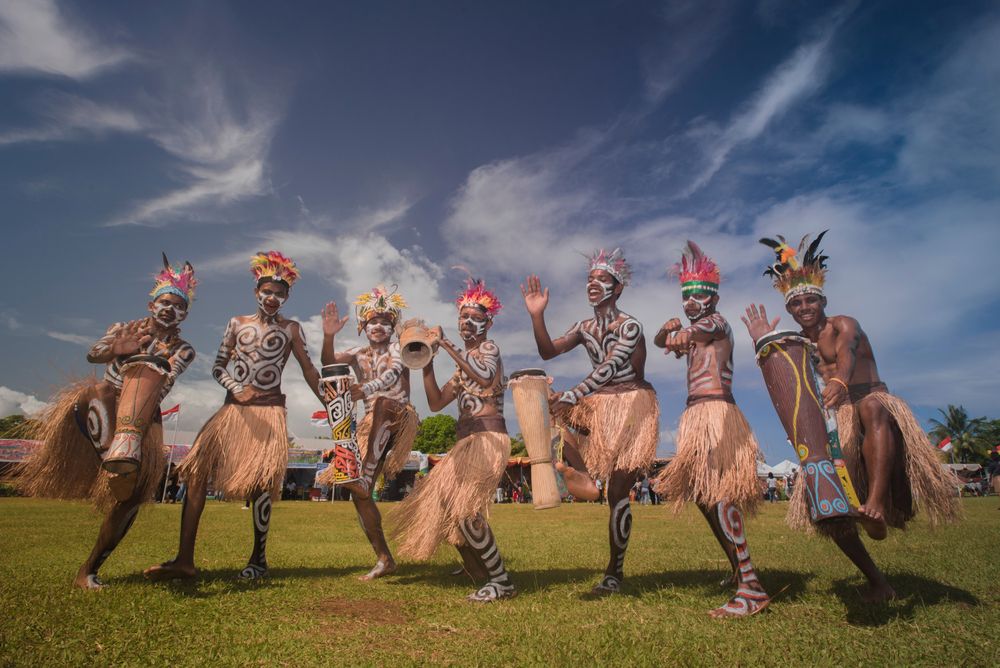
Sajojo (Southwest Papua)
Sajojo dance is among the well-known traditional dances
of Papua, gaining recognition for its vibrant and lively
performances. Often showcased on various occasions,
including entertainment events, traditional ceremonies,
and cultural celebrations, Sajojo has become a symbol of
the rich cultural heritage of Papua. The dancers,
adorned in traditional attire, skillfully interpret the
Sajojo dance, accompanied by the eponymous song, which
narrates the story of a beloved girl in her village.
The Sajojo dance is characterized by distinctive and
energetic movements, reflecting the joyful and
celebratory emotions of the dancers. The choreography
predominantly involves intricate footwork and hand
gestures that synchronize seamlessly with the rhythm and
melody of the Sajojo song. The dance typically commences
with a left foot movement, complemented by the rhythmic
beats of the music, creating a lively and jubilant
atmosphere.
As the dancers gracefully move to the upbeat tempo of
the Sajojo song, the performance captures the essence of
Papua's cultural vitality and the sense of community
celebration. Beyond being a form of artistic expression,
Sajojo dance serves as a cultural bridge, connecting
generations and preserving the traditions that define
the identity of the Papuan people. Through its lively
movements and rhythmic storytelling, Sajojo dance
continues to enchant audiences, offering a glimpse into
the vibrant cultural tapestry of Papua.
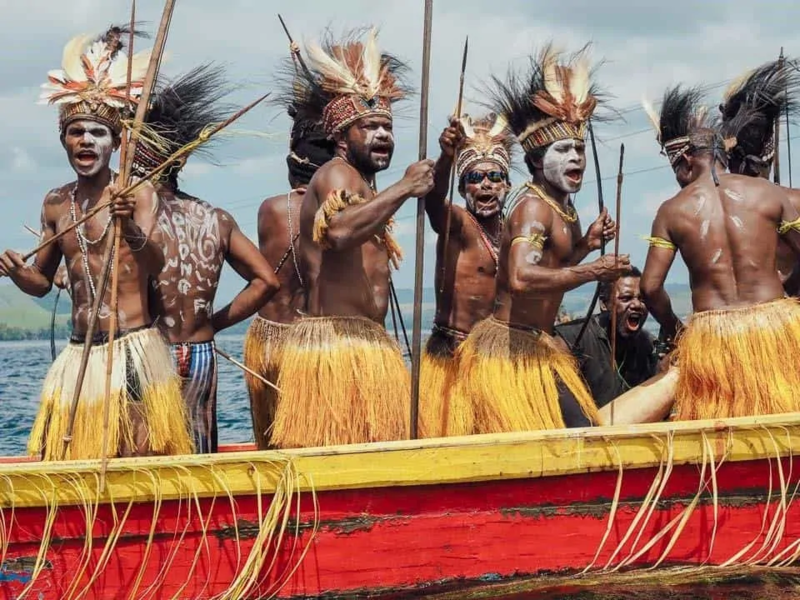
Awaijale, Jayapura (East Papua)
Awaijale Rilejale dance is a traditional dance
originating from the Sentani tribe, a community residing
around Lake Sentani in the Sentani District of Jayapura
Regency, Papua Province, Indonesia. This Papuan regional
dance beautifully captures the essence of the scenic
beauty surrounding Lake Sentani during the evening hours
when locals return home by boat after a day's work. The
dance is a visual representation of the tranquility and
splendor of the lake during sunset, creating a
captivating narrative through movement and cultural
symbolism.
The performers of Awaijale Rilejale dance are a group of
both male and female dancers, donned in traditional
attire known as Pea Malo. This customary attire is
crafted from materials such as genemo tree fibers, sago
leaves, and bark, complemented by ornate hamboni jewelry
or bead necklaces. The meticulous craftsmanship of these
traditional garments reflects the cultural richness and
artistic heritage of the Sentani people, showcasing
their connection to nature and the use of natural
resources in their traditional clothing.
As the dancers gracefully execute the Awaijale Rilejale
dance, the audience is transported to the enchanting
realm of Lake Sentani at dusk. The dance not only serves
as a form of artistic expression but also as a cultural
testimony, preserving the customs and aesthetics of the
Sentani tribe. Through the captivating movements and the
symbolic attire of the performers, Awaijale Rilejale
dance becomes a living embodiment of the cultural
identity and environmental harmony intrinsic to the
Sentani people of Papua.
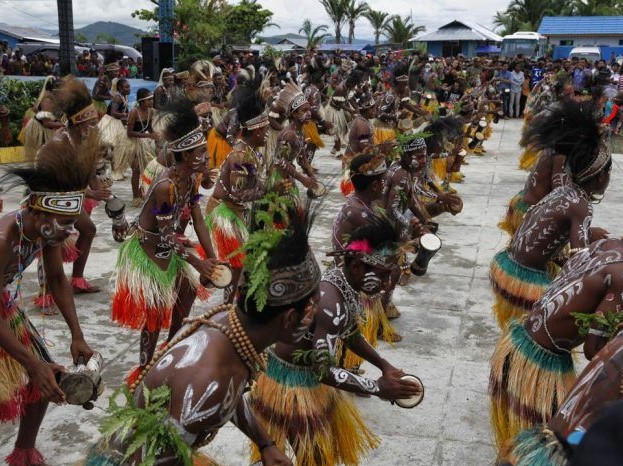
Aluyen, Sorong (West Papua)
Aluyen dance is a traditional dance originating from the
Aimas District, Sorong Regency, West Papua Province,
Indonesia. The term "Aluyen" is derived from two words:
"alu," meaning song, and "yen," meaning sung. In its
entirety, Aluyen dance signifies a song that is sung.
The roots of Aluyen dance date back to the colonial era
of Indonesia, representing a longstanding cultural
tradition that predates the country's independence. It
is typically performed as part of traditional
ceremonies, particularly during events such as the
construction of a new house or the opening of a new
garden.
Aluyen dance can be performed during the day or night.
However, when held within a traditional house, the
performance may extend for up to 1 or even 2 months.
This traditional dance involves both male and female
dancers, with one dancer serving as the leader. The
leader stands in front of the other dancers, with rows
of male and female dancers extending behind them.
In general, the fundamental movements of Aluyen dance
involve a free-form walking style synchronized with the
rhythm, accompanied by a rhythmic swaying of the hips.
In the local language, this hip movement is referred to
as "awlete," signifying the swaying motion of the hips.
Aluyen dance, beyond being a captivating form of
cultural expression, is a testament to the enduring
traditions and rituals of the Aimas community in West
Papua. Through its rhythmic and symbolic movements, the
dance becomes a living narrative of the cultural
identity and ceremonial practices of the region.
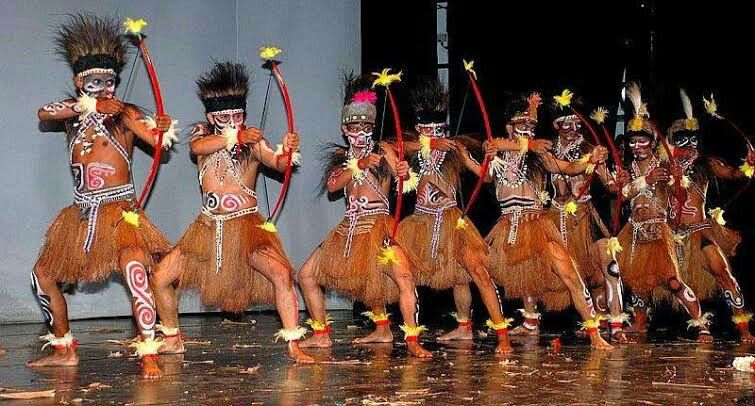
Afaitaneng, Yapen (West Papua)
Afaitaneng dance is a traditional regional dance
originating from the Kepulauan Ambai District, Yapen
Islands Regency, West Papua Province, Indonesia. Its
existence dates back to a time before Indonesia gained
independence, mirroring the enduring cultural traditions
found in many other traditional dances of Papua.
Afaitaneng is categorized as a traditional dance
associated with heroic attitudes, and its name is
derived from two words: "afai," meaning arrow, and
"taneng," meaning belonging. In its entirety, Afaitaneng
can be interpreted as "our arrows."
Typically performed during the evening or night after
battles, Afaitaneng dance unfolds over an entire night.
The dance portrays the valor, triumph, and strength of a
war party engaged in battle against enemies armed with
bows and arrows. Like many other traditional dances in
Papua, Afaitaneng is performed in groups, with both male
and female dancers forming circular or linear
formations.
The dance becomes a powerful depiction of the prowess
and resilience of the warriors as they confront
adversaries in armed conflict. Through the synchronized
movements and symbolic weaponry, Afaitaneng serves as a
cultural narrative, preserving the martial traditions
and historical narratives of the Kepulauan Ambai
community. The dance not only showcases the physicality
of battle but also embodies the collective spirit and
cultural identity of the people of West Papua.
Traditional Musical Instruments From Papua
In Papua, Indonesia, traditional musical instruments play a pivotal role in shaping the island's distinct cultural identity. These instruments transcend mere entertainment, becoming an integral part of daily life and taking center stage in various ceremonies, celebrations, and rituals. More than artistic tools, Papua's traditional instruments serve as living symbols of the region's diverse cultural heritage, forming a vital link between the present generation and their ancestral roots. Through their melodies and rhythms, these instruments contribute significantly to the preservation of Papua's rich traditions, instilling a profound sense of identity and pride among the diverse communities that call this island home.
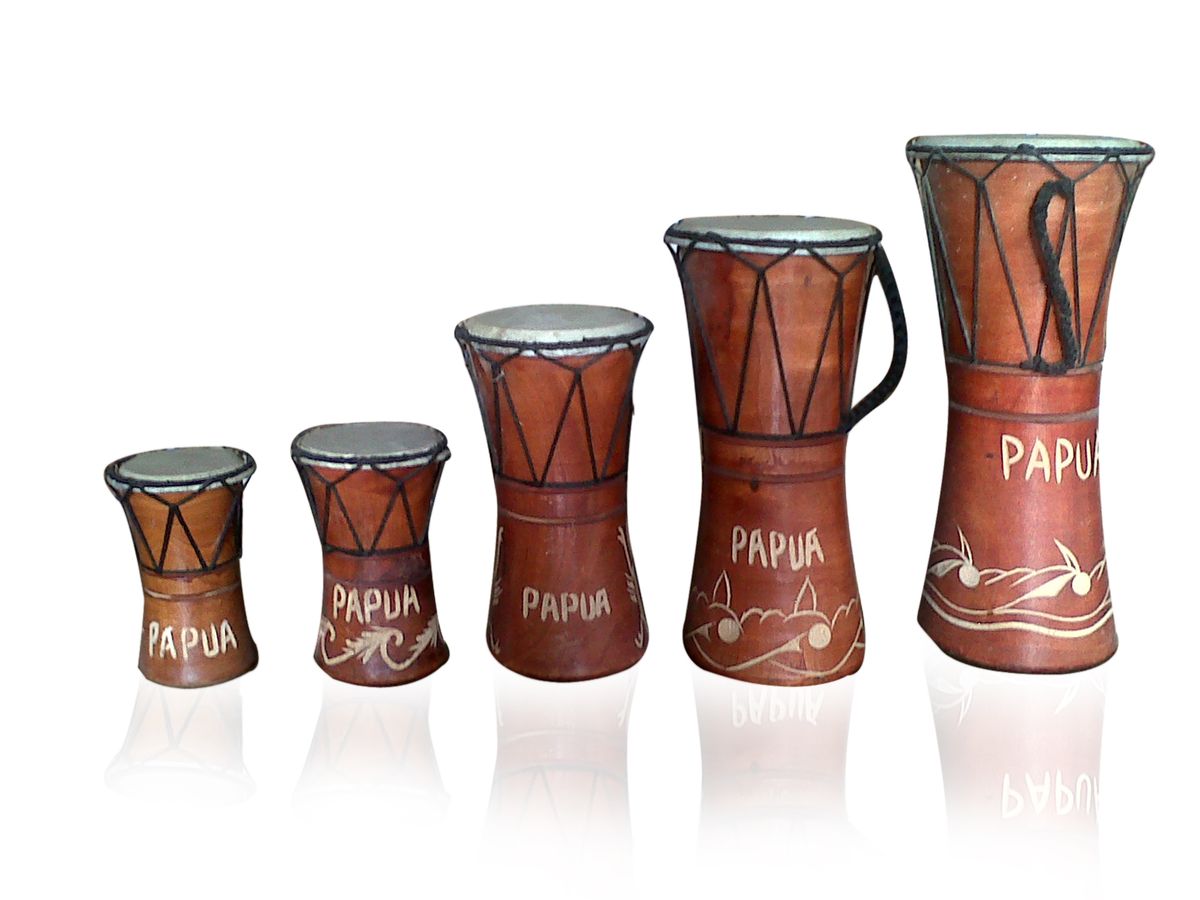
Tifa (East Papua)
The Tifa is a renowned musical instrument originating
from Papua. Crafted from the hollowed trunk of the matoa
wood, this instrument is characterized by its resonant
and loud tones. After the hollowing process, the
instrument is typically adorned with dried deer skin,
contributing to its distinct sound quality. The
meticulous drying process enhances the resonance,
producing a powerful and vibrant sound that resonates
strongly. Played by striking, the Tifa is a percussion
instrument that holds cultural significance and is
deeply rooted in the traditions of the Sentani tribe in
the Jayapura Regency of Papua.
The Tifa's origins can be traced back to the Sentani
community, and over time, its influence has extended to
other regions in Eastern Indonesia, such as Maluku and
Nusa Tenggara. Beyond being a musical instrument, the
Tifa holds cultural importance, serving as a symbol of
heritage and identity for the communities that embrace
its use. Its expansion to other Eastern Indonesian
regions reflects the instrument's cultural resonance and
the enduring influence of Papua's rich musical
traditions across diverse communities in the
archipelago.
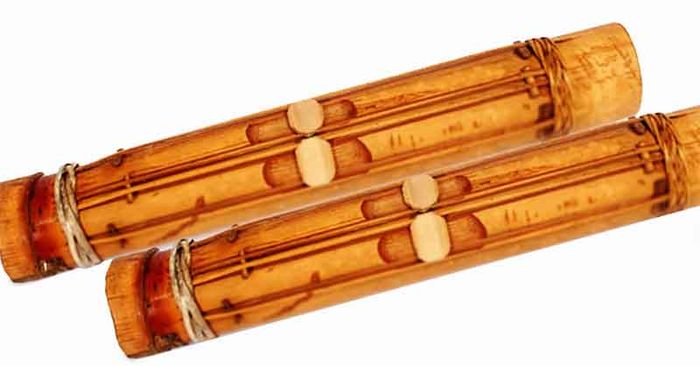
Guoto (West Papua)
Another notable traditional musical instrument from West
Papua is the Guoto. Played by plucking its strings, the
Guoto produces a distinctive and melodious sound.
Typically used to welcome guests, accompany dances, or
enhance rituals, the Guoto is crafted from wood and
buffalo skin, ensuring durability and resilience for
prolonged use. Its unique tonal quality and versatility
make it a central component in various cultural
practices and celebratory events in West Papua.
For those seeking the Guoto, it's imperative to explore
the regions of West Papua, as this is the only place
where you can find this particular musical instrument.
The Guoto not only showcases the musical richness of
Papua but also stands as a testament to the region's
commitment to preserving its cultural heritage through
traditional craftsmanship. Its melodic notes, often
interwoven with the fabric of ceremonies and dances,
contribute to the vibrant tapestry of West Papua's
cultural identity.
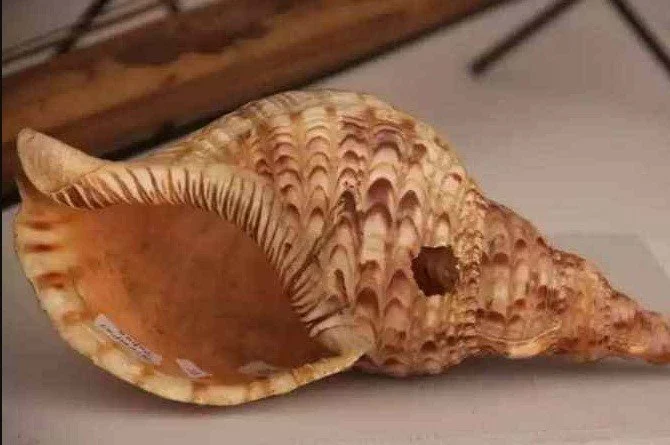
Triton (Central Papua)
The Triton is another distinctive traditional musical
instrument hailing from Papua. Crafted from seashells,
this musical instrument can be easily found along the
shores of various Papua regions, including Biak, Yapen,
Waopen, and Nabira. Played by blowing into it while
covering one side of the seashell, the Triton produces a
resonant and evocative sound, creating a unique auditory
experience that mirrors the coastal atmosphere of
Papua.
Traditionally, the Triton served multiple functions,
acting as both a call to gather or convey information to
the local community, often used during ritual
processions. However, with the passage of time, the
Triton has transformed into a form of entertainment and
is primarily used for recreational purposes. Despite
this shift in its use, the Triton remains a symbol of
Papua's coastal heritage and stands as a testament to
the resourcefulness of the region's people in utilizing
natural materials for both functional and artistic
purposes. Its melodious tones, once an integral part of
community life, continue to echo the cultural richness
of Papua, even in its contemporary role as a source of
amusement.
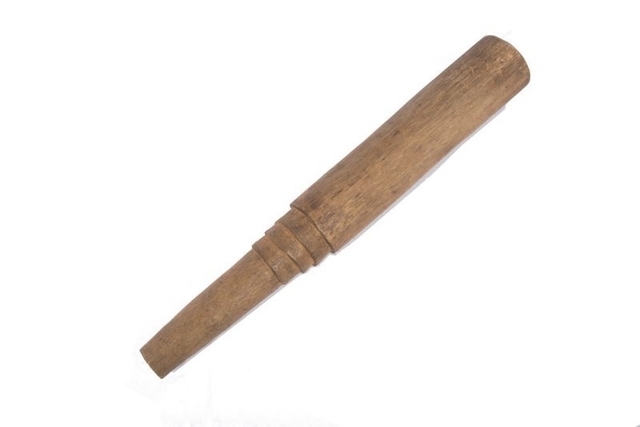
Amyen (South Papua)
Crafted from wood, Amyen is another traditional Papuan
musical instrument played by blowing. Beyond its musical
application, Amyen also serves as a signaling device
during wartime, alerting communities to potential danger
when engaged in conflict against adversaries. This dual
functionality underscores the instrument's versatile
nature, playing a role not only in artistic expression
but also in conveying crucial information and ensuring
the safety of the community. Amyen is specifically
crafted from white wood, a material employed by the Web
Tribe in the Keerom Regency of Papua, adding an element
of cultural specificity to its construction.
Amyen, with its dual purpose as both a musical
instrument and a wartime signal, reflects the
resourcefulness of Papuan communities in utilizing their
natural surroundings. The use of white wood not only
showcases the region's abundant resources but also
emphasizes the significance of specific materials in
crafting these traditional instruments. Amyen thus
becomes a tangible link to the cultural practices and
historical contexts of the Web Tribe in Keerom,
illustrating the symbiotic relationship between the
people of Papua and their environment, both in times of
peace and conflict.
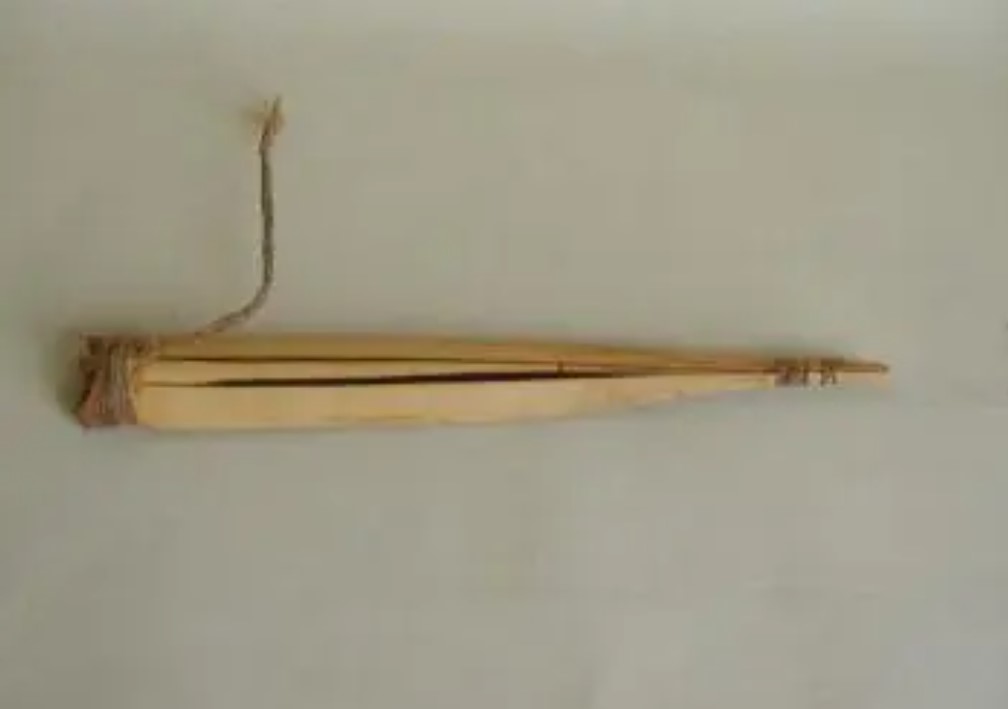
Kecapi Mulut (Central Papua)
In contrast to the conventional plucking technique
associated with traditional zithers, the mouth zither,
known as Kecapi Mulut from Papua, introduces a unique
and distinct playing style. Played by gripping it
between the lips, the instrument is then blown while the
strings are simultaneously plucked. This unconventional
method creates a distinctive resonance, producing a
harmonious blend of sounds that sets the Kecapi Mulut
apart from other traditional string instruments. Despite
its unconventional appearance, the mouth zither has long
been a source of entertainment for the Dani tribe,
demonstrating the cultural adaptability and creativity
of Papua's indigenous communities in crafting and
playing musical instruments.
The Kecapi Mulut, though appearing unusual, embodies the
cultural significance of music as a means of recreation
for the Dani people. This traditional instrument not
only serves as a form of artistic expression but also
contributes to the preservation of the Dani tribe's
cultural heritage. Through the unique playing techniques
and the distinct sounds produced by the Kecapi Mulut,
the instrument serves as a testament to the ingenuity
and adaptability of Papua's indigenous musical
traditions, reflecting the symbiotic relationship
between the people and their cultural practices.
Traditional House In Papua
Traditional houses in Papua seamlessly integrate indigenous designs with historical influences, characterized by steep roofs, intricate wooden carvings, and a harmonious connection with the surrounding environment. Rooted in a profound bond with nature, these dwellings serve as powerful symbols of Papua's rich culture, embodying ancestral traditions and spiritual beliefs. Beyond their architectural importance, these traditional houses play a pivotal role in safeguarding Papua's cultural heritage for generations to come, ensuring that the island's unique identity and traditions endure through the passage of time.
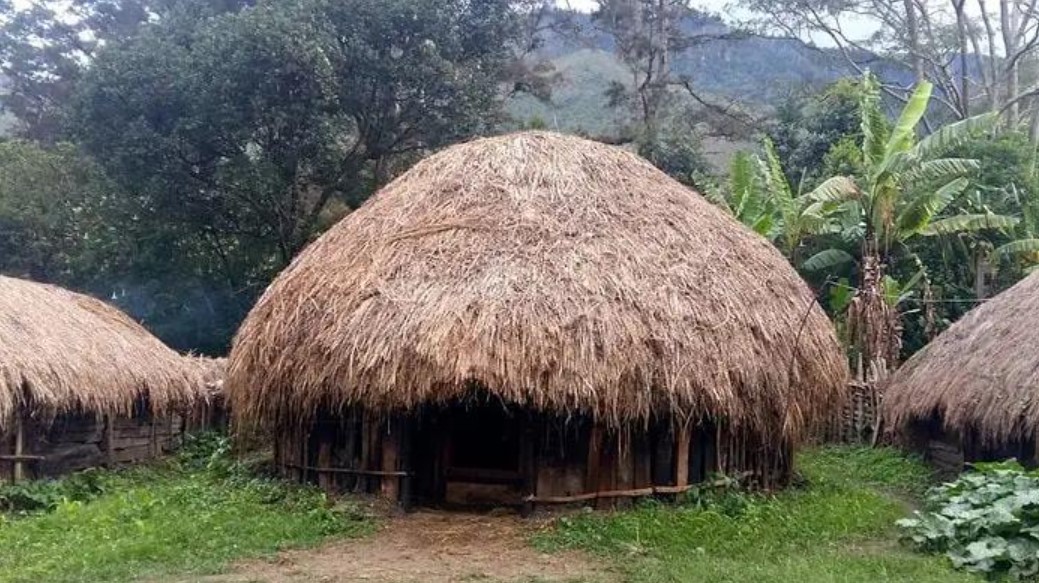
Honai House (Central Papua)
The traditional Papua house that often appears in school
teachings is the Honai, inhabited by the Dani Tribe. The
Honai is circular in shape, constructed from sturdy
wooden beams arranged in parallel circles. This unique
dwelling features a single door without windows,
standing at a height of 2.5 meters and a width of 5
meters. The roofing is crafted from layers of sago
leaves, straw, and grass, forming a blunt cone designed
to maintain warmth within the house and prevent
rainwater from directly entering. The name "Honai" holds
a specific meaning, with 'Hun' signifying a mature man
and 'ai' representing a house, translating to a dwelling
specifically for adult males. Typically accommodating
5-6 individuals, Honai houses are commonly found in the
chilly mountainous regions of Papua. The snugness of the
quarters serves the practical purpose of countering the
cold mountainous climate, making the house warmer as the
number of occupants increases.
The Honai house is not just a shelter; it is a cultural
embodiment and practical adaptation to the environmental
conditions of the Papua highlands. Beyond its physical
features, the Honai reflects the societal structure of
the Dani Tribe, where these traditional dwellings become
symbols of cultural identity, familial ties, and a deep
connection to the natural surroundings. The emphasis on
warmth, simplicity, and functionality in the design of
the Honai encapsulates the Dani people's harmonious
relationship with their environment, showcasing the
seamless integration of architecture and culture in
Papua.
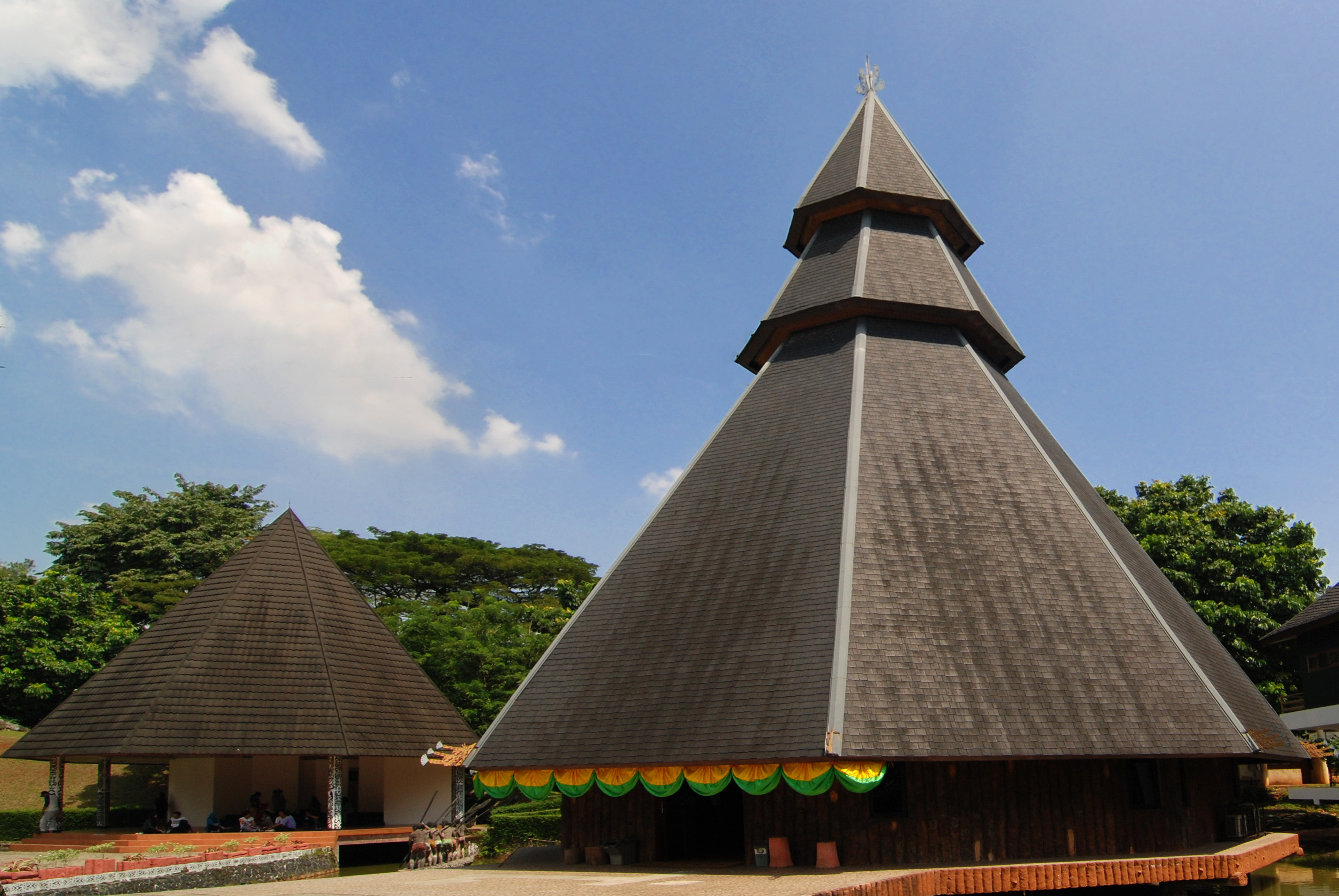
Kariwari House (East Papua)
The Kariwari house, inhabited by the Tobati-Enggros
Tribe, is a distinctive traditional dwelling
characterized by its octagonal, multi-tiered roof
design. Believed to be an effective shield against harsh
weather conditions, particularly strong winds, this
architectural feature is a testament to the indigenous
wisdom of the Tobati-Enggros people in Papua. The
multi-tiered roof not only serves a practical purpose in
safeguarding the house from the cold climate but also
showcases the intricate craftsmanship and cultural
significance embedded in the construction of the
Kariwari.
Constructed with a meticulous understanding of the local
environment, the Kariwari house reflects the
Tobati-Enggros Tribe's harmonious coexistence with
nature. Beyond its functional attributes, the Kariwari
stands as a visual representation of the tribe's
cultural identity, resilience, and adaptation to the
challenging climatic conditions of the Papua region. The
layered roof design not only provides a distinctive
aesthetic appeal but also highlights the Tobati-Enggros
people's commitment to preserving their unique heritage
through traditional architectural practices.
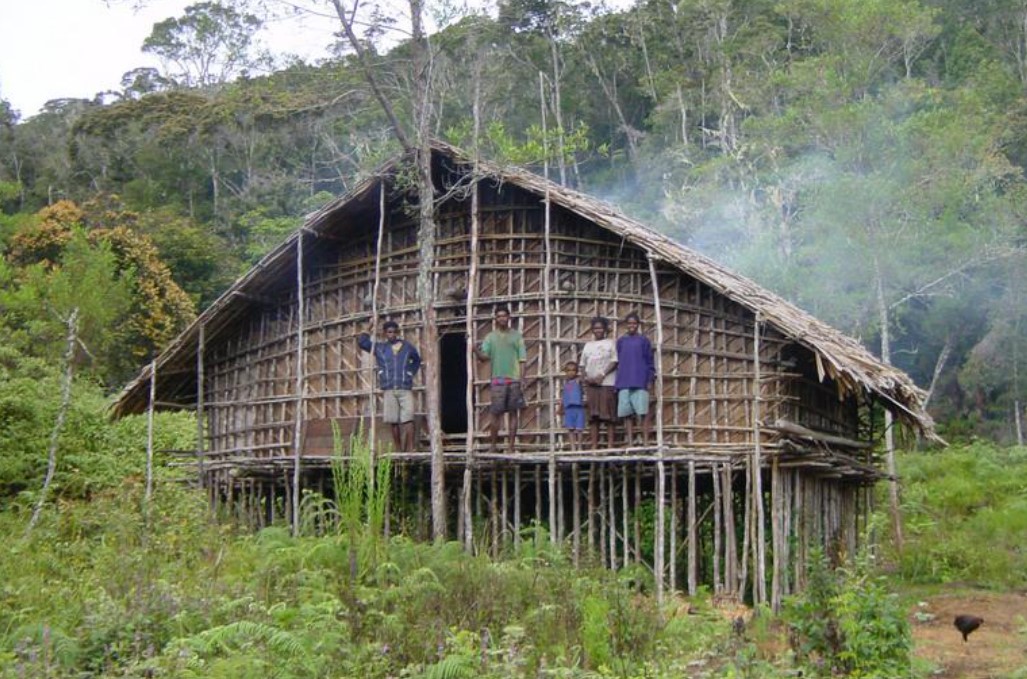
Kaki Seribu House (West Papua)
The traditional house known as Kaki Seribu, also
recognized as Mod Aki Aksa, is the indigenous dwelling
of the Arfak Tribe in West Papua. Characterized by an
abundance of vertical pillars, this house resembles the
legs of a millipede, giving it the local moniker "Kaki
Seribu," which translates to a thousand legs. At first
glance, the structure may resemble a stilt house, common
in the region, but what sets the Kaki Seribu apart is
the absence of substantial space beneath the house. The
foundation comprises numerous vertical wooden pillars,
intricately interwoven to resemble the legs of a
creature, providing both support and a unique visual
identity. Constructed primarily from intersecting
vertical wooden beams, horizontally bound by additional
wooden elements, the Kaki Seribu's roof is crafted from
thatch made of wild grass, and the house floor is woven
from rattan.
The Kaki Seribu house not only exhibits remarkable
architectural craftsmanship but also serves as a
cultural testament to the Arfak Tribe's adaptability and
ingenuity. The unique design, featuring a myriad of
supporting pillars, reflects the tribe's deep connection
with the natural surroundings and their ability to
harmonize with the challenging terrain of West Papua.
Beyond its functional aspects, the Kaki Seribu stands as
a symbol of the Arfak people's cultural identity,
showcasing their resourcefulness in utilizing locally
available materials to construct homes that are both
practical and aesthetically distinctive.
Traditional Activites
Papua entices with a diverse array of activities seamlessly blending adventure and cultural discovery. Whether it's exploring the pristine landscapes, traversing through dense rainforests, or navigating the meandering rivers, the region offers a rich tapestry of experiences. Engaging in indigenous ceremonies and visiting traditional villages adds a cultural dimension to the journey. Papua's vibrant markets and authentic local cuisine contribute to the overall allure, providing visitors with a holistic encounter of natural wonders and cultural insights. The destination promises a harmonious blend of adventure and cultural immersion, leaving travelers with enduring memories of this captivating Indonesian region.
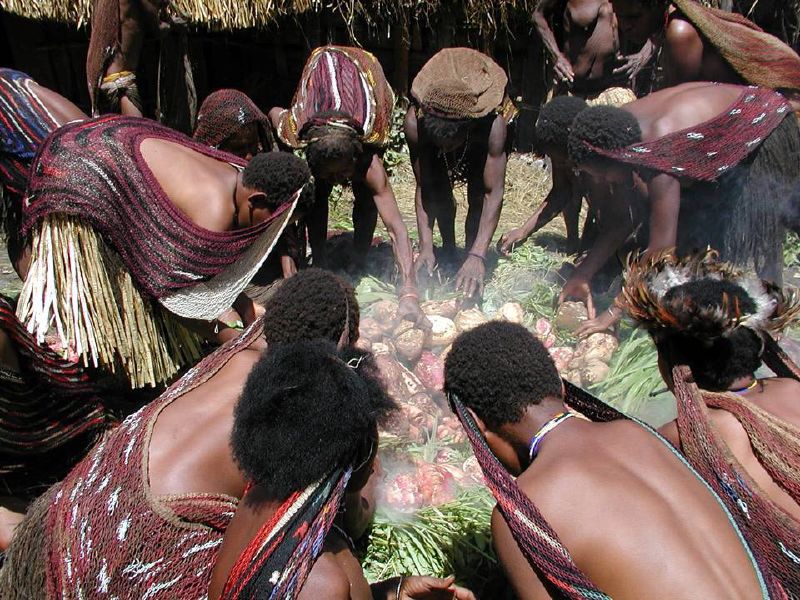
Bakar Batu (Central Papua)
The stone-burning ceremony, locally known as "Bakar
Batu," is a deeply rooted tradition among the Papua
community, involving a collective cooking ritual. Over
time, this ceremony has adopted various names, such as
Barapen in Jayawijaya, Kit Oba Isago in Wamena, and Mogo
Gapil in Paniai. Typically conducted by inland tribes
like those in Nabire, Baliem Valley, Central Mountains,
Paniai, Star Mountains, Yahukimo, and Dekai, the
historical context of stone-burning ceremonies in the
central mountains of Papua is closely associated with
the rapid cooking of pork.
Originally centered around the cooking of pork, the
stone-burning ceremony has evolved into a symbol of
tolerance. Nowadays, the Papua community may opt for
cooking other meats such as beef, goat, or chicken
during these rituals. The ceremony serves as a
celebration for joyous occasions like traditional
weddings, births, the enthronement of tribal leaders,
and the gathering of warriors before heading into
battle.
Beyond its practical purpose of cooking food, the
stone-burning ceremony embodies the values of simplicity
within the Papua community. It signifies a commitment to
equality, justice, sincerity, unity, honesty, and
selflessness, all contributing to a sense of peace
within the community. The process involves heating
stones until they are red-hot, after which the community
piles food on top for thorough cooking. This cultural
practice not only nourishes the body but also fosters a
shared sense of identity, preserving traditions that
have endured through generations in Papua.
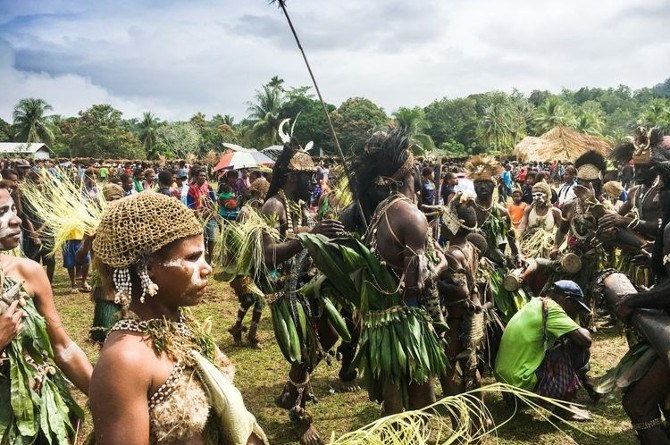
Tanam Sasi (West Papua)
The traditional ceremony of planting sasi is a cultural
practice associated with death that has flourished in
the Merauke Regency, particularly among the Marind or
Marind-Anim Tribe in the vast lowland areas of West
Papua. The term "Anim" in the name Marind-Anim
translates to male, while "anum" denotes female. The
Marind Tribe, estimated to consist of approximately
5,000 to 7,000 individuals, resides in the expansive
flatlands of West Papua. The sasi ceremony is a unique
cultural phenomenon within this community, marking the
passage of a deceased individual.
In the sasi ceremony, a particular type of wood, also
known as sasi, serves as the central element. The wood
is planted for approximately 40 days following someone's
death in the region. After this period, the sasi wood is
uprooted, usually on the thousandth day after its
initial planting. This ceremony is a distinctive
cultural tradition observed exclusively by the Marind
Tribe, and it significantly influences the renowned
Papua wood carvings that have gained recognition both
domestically and internationally. The act of planting
and uprooting sasi reflects the tribe's deep spiritual
connection to the cycle of life and death, shaping not
only their cultural practices but also leaving an
indelible mark on the artistic heritage of Papua.
The sasi ceremony not only showcases the Marind Tribe's
unique mourning rituals but also exemplifies their
intricate wood carving traditions. The impact of this
ceremony extends beyond the spiritual realm, influencing
the distinct aesthetic character of Papua's wood
carvings, celebrated for their symbolic motifs and
cultural significance. Through the sasi tradition, the
Marind Tribe preserves a profound connection to their
ancestral roots, ensuring the continuity of their
cultural heritage for future generations while
contributing to the rich tapestry of Papua's traditional
practices.
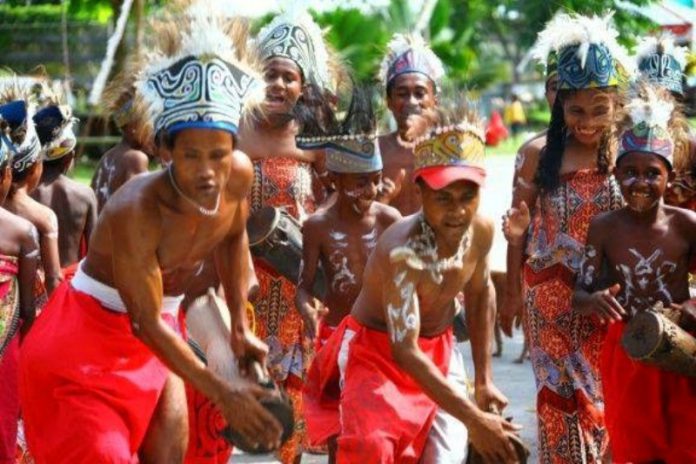
Wor (East Papua)
The Wor ceremony is a longstanding tradition carried out
through generations by the Biak Tribe, who inhabit
various regions in Papua. For the Biak people, the Wor
ceremony holds deep cultural and religious significance,
intertwining with various aspects of their social life.
It is considered a customary ritual that reflects the
religious beliefs of the Biak community, infusing Wor
into the fabric of their daily existence. This cultural
practice is integral to the Biak way of life, shaping
social interactions and familial obligations within the
community.
For the Biak people, the Wor ceremony is a communal
responsibility undertaken by nuclear families, involving
the participation of extended family members, both from
the husband and wife's side. The primary purpose of the
Wor ceremony is to seek protection for their children
from the cosmic forces that govern the universe. It
stands as a solemn occasion where prayers and rituals
are conducted to invoke blessings and safeguard the
well-being of the younger generation. The Wor ceremony,
therefore, embodies a harmonious blend of spiritual
devotion and familial unity, underscoring the
interconnectedness of the Biak people with their
cultural heritage.
Beyond its protective aspect, the Wor ceremony is
believed by the Biak community to offer safeguarding
during significant transitional phases in an
individual's life. From accompanying the physical growth
of children, starting from prenatal stages through birth
to old age, and even into death, the Wor ceremony is a
continuous thread woven throughout the life journey of a
Biak individual. This enduring tradition reflects the
deep-rooted belief system of the Biak people,
emphasizing the role of Wor in nurturing and
safeguarding the holistic well-being of their community
members at every stage of life.